


x

 Preview
 Kupi štampu Naručite reprodukciju
 Pošalji
 Detalji o delu
 Dodaj u omiljene
 Преузми
 Slični predmeti
 Rendgenski snimak
 Slajdovi
 Ulje na platnuUmetnost za zidoveExpressionism
 189619. vek
 65.0 x 50.0 cm
 Rasmus Meyer Collection
Kupite digitalnu sliku visoke rezolucije i poboljšanog kvaliteta, koja je znatno superiornija od onoga što vidite u online prikazu.
Svaka datoteka je pedantno pripremljena od strane naših stručnjaka koristeći napredne alate i profesionalnu ručnu retušu. Osiguravamo da svaka slika ima izuzetnu oštrinu, preciznu reprodukciju boja i fine detalje.
Konačna datoteka se dostavlja putem e-pošte u roku od 72 sata, optimizovana za neposrednu upotrebu u profesionalnim, izdavačkim i štamparskim okruženjima. To je isti kvalitet kojem veruju vrhunski studiji dizajna, izdavači i galerije.
Preuzmite datoteku visoke rezolucije za ličnu upotrebu, štampanje i kreativne projekte.
Kada odaberete Most-Famous-Paintings.com, ne dobijate samo sliku – vi primate profesionalno unapređeno digitalno umetničko delo, izrađeno sa najvećom preciznošću i uz garanciju zadovoljstva. Evo svega što automatski dolazi uz vašu porudžbinu:

Vaša digitalna slika visoke rezolucije biće vam poslata putem e-pošte u roku od 72 sata od poručivanja – spremna za trenutnu upotrebu.

Vaše umetničko delo je profesionalno optimizovano korišćenjem naprednih AI alata i ručne obrade, čime se osiguravaju maksimalni detalji, oštrina i preciznost boja.

Slučajno ste obrisali ili izgubili svoju datoteku? Ne brinite – poslaćemo vam je ponovo u bilo kom trenutku, potpuno besplatno.

Uživajte u svojim umetničkim delima trenutno, bez carine, dažbina ili troškova dostave – digitalni download je uvek bez poreza.

Uz pomoć profesionalnih alata i upravljanja bojama, osiguravamo da vaša digitalna slika što vernije odražava originalne boje.

Ako niste zadovoljni svojom digitalnom slikom, revidirat ćemo je ili vratiti 100% novca u roku od 60 dana – bez ikakvih pitanja.

Niste zadovoljni? Obezbedite pun povrat novca u roku od 60 dana od trenutka kada ste primili svoju digitalnu datoteku – bez suvišnih pitanja.

Kupite 3 slike, uštedite 10% - Kupite 5 slika, uštedite 15% - Kupite 10+ slika, uštedite 20%. Odlično za kreativne projekte, galerije i agencije.
Edvard Munch's "Nude," painted in 1896 during his formative years in Paris, isn’t merely a depiction of a woman seated on a bench; it’s a profound exploration of the human psyche grappling with anxiety, isolation, and the unsettling beauty of vulnerability. Created amidst a period of intense personal turmoil for Munch – marked by illness, loss, and a burgeoning awareness of his own mental fragility – this work stands as a cornerstone of Expressionism, capturing not just an image but a raw emotional state. The painting’s power resides in its deliberate ambiguity, inviting viewers to project their own anxieties onto the figure's enigmatic posture and the ominous backdrop.
The composition itself is strikingly simple yet deeply resonant. A woman sits on a weathered wooden bench, her back turned towards us, creating an immediate sense of distance and privacy. She wears a flowing dress, glimpsed only in the lower portion of the canvas – a deliberate choice that emphasizes her detachment from the viewer and suggests a world beyond our comprehension. Her hair is pulled back into a neat bun, a small detail that subtly contrasts with the overall feeling of unrest. Most arresting, however, is the vibrant red background, an audacious splash of color that dominates the scene. This isn’t a comforting sunset; it's a pulsating, almost violent hue, hinting at suppressed emotions and impending doom – a visual representation of the internal struggles Munch was so acutely aware of.
Munch’s technique in “Nude” is characterized by an unrestrained use of color and expressive brushstrokes, hallmarks of his Expressionist style. He eschews meticulous detail in favor of conveying feeling through the manipulation of pigment and texture. The red background isn't blended smoothly; instead, it’s applied with thick, agitated strokes, creating a sense of movement and instability. Similarly, the woman’s dress is rendered with loose, swirling brushstrokes, suggesting both vulnerability and a certain defiant grace. Munch employed oil paints on wood, allowing for rich color saturation and textural depth – qualities that amplify the painting's emotional intensity.
The use of color itself is crucial to understanding the work’s meaning. Red, often associated with passion, danger, and violence, dominates the scene, creating a palpable sense of unease. The subtle variations in tone within the red—from deep crimson to lighter shades—suggest a complex emotional landscape, hinting at both desire and dread. The limited palette – primarily red punctuated by touches of muted earth tones – contributes to the painting’s claustrophobic atmosphere, trapping the viewer within the woman's internal world.
"Nude" is inextricably linked to Munch’s broader artistic project, "The Frieze of Life," a series of paintings exploring themes of love, anxiety, jealousy, and betrayal. This series reflects Munch's own tumultuous personal life, marked by loss, illness, and the looming threat of mental instability. The woman in “Nude” can be interpreted as an embodiment of these anxieties – a figure caught between desire and despair, vulnerability and strength.
Munch’s artistic development during this period was profoundly influenced by his time in Paris, where he encountered the works of Paul Gauguin, Vincent van Gogh, and Henri de Toulouse-Lautrec. These artists encouraged him to embrace bold colors, expressive brushstrokes, and a subjective approach to depicting reality. The influence of these masters is evident in “Nude,” particularly in its vibrant color palette and emotionally charged atmosphere – though Munch ultimately forged his own unique style, rooted in his deeply personal experiences.
“Nude” stands as a pivotal work in the history of art, solidifying Edvard Munch’s position as a pioneer of Expressionism. It's a hauntingly beautiful depiction of human vulnerability, capturing the raw emotions that lie beneath the surface of everyday life. While often associated with darkness and despair, the painting also possesses a strange allure – a testament to the power of art to confront difficult truths and explore the complexities of the human condition.
Beyond its artistic significance, “Nude” continues to resonate deeply with viewers today, serving as a potent symbol of modern angst and the enduring struggle to find meaning in a chaotic world. For those seeking a deeper understanding of Munch’s work or desiring a high-quality reproduction of this iconic painting, Edvard Munch: Nude is available on Most-Famous-Paintings.com, offering detailed insights and stunning visual reproductions.
To explore more of Munch’s oeuvre and the broader context of Expressionism, we encourage you to visit Edvard Munch on Wikipedia and explore related works such as Paula Modersohn-Becker and Ernst Ludwig Kirchner.

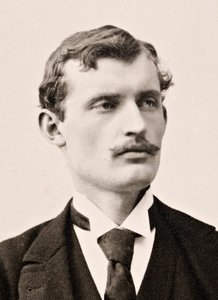
1863 - 1944 , Шведска


Budite u toku sa najnovijim vestima o umetnosti, ekskluzivnim ponudama i idejama za dekoraciju.
Recite nam o vašem projektu i naši stručnjaci za umetnost će vam pružiti 3 personalizovana predloga umetničkih dela.
Dozvolite nam da odaberemo 3 opcije specijalno za Vas - Besplatno!


 Podeli

 Pročitaj više


