


x

 LithographyWallArtExpressionism
 1896High Medieval
 58.0 x 43.0 cm
Giclée štampa ili print na platnu muzejskog kvaliteta uz brzu proizvodnju i fleksibilne opcije završne obrade. ( Kupi ručno naslikanu sliku Kupi digitalnu sliku)





























Izaberite jednu od naših unapred definisanih veličina koje odgovaraju originalnim proporcijama umetničkog dela.

Možete uneti sopstvene dimenzije kako biste umetničko delo prilagodili specifičnom okviru ili prostoru. Ako odabrani format ne odgovara proporcijama originalne slike, mi ćemo ili iscrtati deo dela ili proširiti sliku pomoću ogledane ivice ili jednobojnog popunjavanja. Digitalni prikaz će vam biti poslat na odobrenje pre početka proizvodnje.
Imajte na umu da pregled na ekranu ne odražava stvarno iscrtavanje ili proširivanje. Samo će prikaz (mockup) precizno pokazati finalnu kompoziciju.
Iako su prilagođene dimenzije dostupne, preporučujemo da odaberete dimenziju sa unapred definisane liste kako biste očuvali originalne proporcije.
Dostava širom sveta () za 2 nedelje umesto uobičajenih 4/5 nedelja. (24 август)


Self-Portrait I
Dimenzije reprodukcije
Edvard Munch's "Self-Portrait I," painted in 1895-1896, isn’t merely a depiction of an artist; it’s a raw, visceral embodiment of the anxieties and psychological turmoil that defined his era. Created during a period of intense personal struggle and artistic experimentation, this lithograph offers a haunting glimpse into the mind of a man wrestling with mortality, isolation, and the unsettling realities of modern existence. The work transcends simple portraiture, becoming a potent symbol of the fin-de-siècle mood – a time of profound uncertainty and burgeoning psychological awareness.
The piece’s stark monochrome palette—a carefully orchestrated dance between black, white, and grey—immediately establishes an atmosphere of somber intensity. This deliberate restriction of color forces the viewer to engage with the work on a purely formal level, focusing on the intricate interplay of light and shadow, texture, and line. The lithographic process itself contributes significantly to this effect; the visible hatching and cross-hatching create a tangible sense of volume and depth, mimicking the rough, uneven surfaces of memory and experience. It’s as if Munch has translated his inner turmoil directly onto the stone, capturing its chaotic energy with remarkable precision.
Munch's masterful manipulation of line is central to the portrait’s emotional power. The strong, expressive lines that delineate the subject’s face – particularly the furrowed brow, the deeply set eyes, and the pronounced beard – convey a sense of profound introspection and perhaps even despair. These aren’t idealized features; they are rendered with unflinching honesty, reflecting the artist's own vulnerabilities. The shapes themselves are largely organic, mirroring the natural contours of the face while simultaneously suggesting an underlying tension, a feeling of being trapped within one’s own skin.
Notice how the lighting—originating from an unseen source above and slightly to the left—highlights specific areas of the face: the forehead, nose, and cheekbones. This strategic use of light creates a dramatic contrast with the deep shadows that engulf the rest of the portrait, intensifying the sense of isolation and psychological depth. The cropped composition, focusing tightly on the head and shoulders, further contributes to this feeling of confinement, as if the subject is trapped within his own thoughts.
“Self-Portrait I” resonates deeply with Munch’s broader artistic project – a relentless exploration of the human psyche. The dark background serves not merely as a backdrop but as a visual representation of the artist's internal landscape, a space filled with shadows, fears, and unresolved grief. The intense gaze—piercing and unsettling—suggests both vulnerability and defiance, inviting the viewer to confront their own anxieties alongside the subject’s.
Considering Munch’s personal history – the early deaths of his mother and sister from tuberculosis, his father's religious rigidity, and his own struggles with mental illness – it’s clear that this portrait is deeply rooted in trauma. The work isn’t simply a likeness; it’s an attempt to externalize the internal chaos he experienced throughout his life. The image speaks powerfully of the fragility of human existence, the inevitability of loss, and the enduring struggle to find meaning in a world often perceived as hostile and indifferent.
Created during a pivotal moment in art history – the rise of Expressionism – “Self-Portrait I” exemplifies the movement’s core tenets: prioritizing emotional impact over realistic representation. Munch wasn't interested in capturing a conventional likeness; he sought to convey the raw, unfiltered experience of being human, particularly the darker aspects of the human condition. This lithograph remains a profoundly moving testament to the power of art to illuminate the complexities of the inner world and to confront us with our own mortality.

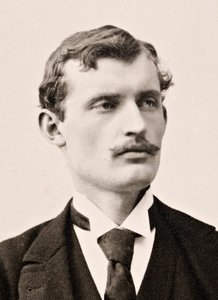
1863 - 1944 , Шведска
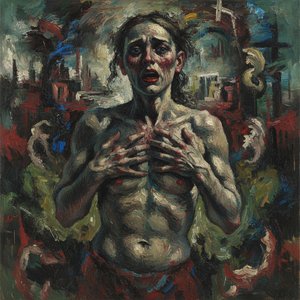
Explore the profound depth of Figurative Expressionism. From Edvard Munch to William H. Johnson, learn how masters use the human form to capture raw emotion through color and distortion in this expert art history guide.

Explore the profound history of Expressionism. From Edvard Munch to Jackson Pollock, discover how artists used distortion and color to convey raw emotion. A definitive guide for art lovers seeking deep historical context and mastery in fine art reproductions.


Budite u toku sa najnovijim vestima o umetnosti, ekskluzivnim ponudama i idejama za dekoraciju.
Recite nam o vašem projektu i naši stručnjaci za umetnost će vam pružiti 3 personalizovana predloga umetničkih dela.
Dozvolite nam da odaberemo 3 opcije specijalno za Vas - Besplatno!


 Pregledaj u prostoru
 Pošalji
 Podeli
 Detalji o delu

 Преузми
 Slični predmeti
 Rendgenski snimak
 Slajdovi
 Pročitaj više







 Opcija sa staklom dostupna je samo za dimenzije manje od 110 cm


