


x

Kupite digitalnu sliku visoke rezolucije i poboljšanog kvaliteta, koja je znatno superiornija od onoga što vidite u online prikazu.
Svaka datoteka je pedantno pripremljena od strane naših stručnjaka koristeći napredne alate i profesionalnu ručnu retušu. Osiguravamo da svaka slika ima izuzetnu oštrinu, preciznu reprodukciju boja i fine detalje.
Konačna datoteka se dostavlja putem e-pošte u roku od 72 sata, optimizovana za neposrednu upotrebu u profesionalnim, izdavačkim i štamparskim okruženjima. To je isti kvalitet kojem veruju vrhunski studiji dizajna, izdavači i galerije.
Preuzmite datoteku visoke rezolucije za ličnu upotrebu, štampanje i kreativne projekte. ( Kupi print Kupi ručno naslikanu sliku)
Kada odaberete Most-Famous-Paintings.com, ne dobijate samo sliku – vi primate profesionalno unapređeno digitalno umetničko delo, izrađeno sa najvećom preciznošću i uz garanciju zadovoljstva. Evo svega što automatski dolazi uz vašu porudžbinu:

Vaša digitalna slika visoke rezolucije biće vam poslata putem e-pošte u roku od 72 sata od poručivanja – spremna za trenutnu upotrebu.

Vaše umetničko delo je profesionalno optimizovano korišćenjem naprednih AI alata i ručne obrade, čime se osiguravaju maksimalni detalji, oštrina i preciznost boja.

Slučajno ste obrisali ili izgubili svoju datoteku? Ne brinite – poslaćemo vam je ponovo u bilo kom trenutku, potpuno besplatno.

Uživajte u svojim umetničkim delima trenutno, bez carine, dažbina ili troškova dostave – digitalni download je uvek bez poreza.

Uz pomoć profesionalnih alata i upravljanja bojama, osiguravamo da vaša digitalna slika što vernije odražava originalne boje.

Ako niste zadovoljni svojom digitalnom slikom, revidirat ćemo je ili vratiti 100% novca u roku od 60 dana – bez ikakvih pitanja.

Niste zadovoljni? Obezbedite pun povrat novca u roku od 60 dana od trenutka kada ste primili svoju digitalnu datoteku – bez suvišnih pitanja.

Kupite 3 slike, uštedite 10% - Kupite 5 slika, uštedite 15% - Kupite 10+ slika, uštedite 20%. Odlično za kreativne projekte, galerije i agencije.
Edvard Munch's "Untitled (2912)," painted circa 1893, isn't merely a landscape; it’s a visceral embodiment of the anxieties that defined his era and, profoundly, continue to resonate within us today. This oil on canvas work, residing in the collection of Most-Famous-Paintings, immediately commands attention with its muted palette – predominantly deep blues, somber greens, and bruised purples – creating an atmosphere thick with melancholy and unease. The composition is dominated by a cluster of dark, almost monolithic trees silhouetted against a turbulent sky, their branches reaching upwards like grasping claws. A narrow coastal path snakes towards the viewer, leading to a distant, indistinct shoreline punctuated by small, darkened buildings that suggest both isolation and vulnerability. It’s a scene steeped in twilight, a realm where reality seems to bleed into a dreamscape of profound introspection.
Munch's stylistic choices are crucial to understanding the painting’s power. He deliberately eschews realistic representation, opting instead for an expressive approach heavily influenced by Symbolism and foreshadowing Expressionism. Forms are flattened, lines are gestural and loose, and color is employed not to mimic nature but to convey emotional states. The brushstrokes themselves seem agitated, mirroring the turmoil within the depicted scene. This isn’t a painting of a place; it's a painting of feeling – specifically, the unsettling awareness of mortality, loneliness, and the overwhelming weight of existence.
To fully appreciate “Untitled (2912),” one must understand the context of Edvard Munch’s life. Born in 1863 amidst a landscape scarred by illness and loss – his mother and sister succumbed to tuberculosis, and his father battled severe mental health issues – Munch carried an enduring sense of grief and dread throughout his existence. These personal traumas profoundly shaped his artistic vision, leading him to explore themes of death, anxiety, love, and the fragility of human connection. This painting is a direct reflection of this inner landscape; it’s as if he's externalizing the emotional turmoil that consumed him.
His early life in Norway was marked by instability and hardship, further fueling his anxieties. He studied at the Royal School of Art and Design in Kristiania (now Oslo), where he encountered figures like Hans Jæger, a nihilist who encouraged him to paint “soul painting”—to capture not just what he saw but what he *felt*. This philosophy profoundly influenced Munch’s approach, pushing him to delve into the darkest recesses of his psyche and translate them onto canvas. The influence of Paul Gauguin and Vincent van Gogh is also evident in his use of color and expressive brushwork.
The symbolism within “Untitled (2912)” is layered and open to interpretation, yet certain elements consistently evoke a sense of unease. The dark trees, often associated with death and the unknown, dominate the composition, casting a shadow over the entire scene. The turbulent sky suggests impending doom or emotional upheaval. The distant buildings represent isolation and detachment, while the narrow path symbolizes a journey into the depths of one’s own consciousness. Notably, the painting's color palette—a blend of blues, greens, and purples—is deliberately somber, contributing to its overall atmosphere of melancholy and foreboding.
The absence of vibrant colors or clear focal points further enhances the sense of disorientation and anxiety. Munch intentionally avoids providing easy answers or comforting resolutions, instead presenting a fragmented and unsettling vision that forces the viewer to confront their own fears and vulnerabilities. The painting’s power lies in its ability to tap into primal emotions—a feeling of being adrift in a vast and indifferent universe.
“Untitled (2912)” stands as a pivotal work in the development of Expressionism, demonstrating Munch's pioneering exploration of subjective experience. Its influence can be seen in countless artists who followed, including those grappling with themes of mental illness, alienation, and the anxieties of modernity. The painting’s enduring appeal lies not only in its aesthetic qualities but also in its profound emotional resonance—a testament to Munch’s ability to capture the darkest corners of the human psyche. Reproductions of this evocative piece offer a powerful way to bring this haunting vision into any space, serving as a constant reminder of the complexities and vulnerabilities inherent within the human condition.

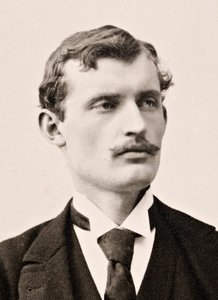
1863 - 1944 , Шведска


Budite u toku sa najnovijim vestima o umetnosti, ekskluzivnim ponudama i idejama za dekoraciju.
Recite nam o vašem projektu i naši stručnjaci za umetnost će vam pružiti 3 personalizovana predloga umetničkih dela.
Dozvolite nam da odaberemo 3 opcije specijalno za Vas - Besplatno!


 Pregledaj u prostoru
 Pošalji
 Podeli
 Detalji o delu

 Преузми
 Slični predmeti
 Rendgenski snimak
 Slajdovi
 Pročitaj više


