x


Ručno oslikano uljanim bojama na platnu u dimenzijama i okviru po vašem izboru, izrađeno po porudžbini od strane naših umetnika. ( Switch to Print Switch to Image)





























Izaberite jednu od naših unapred definisanih veličina koje odgovaraju originalnim proporcijama umetničkog dela.

Можете унети сопствене димензије како бисте прилагодили дело одређеном оквиру или простору. Ако одабрана величина не одговара пропорцијама оригинала, слика ће бити исечена или проширена додатним елементима који се ручно насликавају. Дигитални prikaz ће вам бити послат на одобрење пре почетка производње.
Имајте на уму да преглед на екрану не одражава стварно исецање или проширење. Само приказ (mockup) ће тачно приказати коначну композицију.
Иако су доступне прилагођене величине, препоручујемо да одаберете димензију из дефинисане листе како бисте сачували оригиналне пропорције.
Isporuka širom sveta () za 3/4 nedelje umesto uobičajenih 5 nedelja. (30 јул). Bez kompromisa po pitanju kvaliteta.


untitled (5589)
Dimenzije reprodukcije
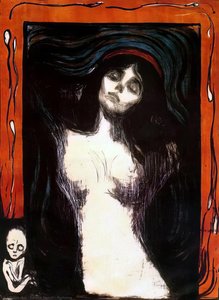
Edvard Munch's "Madonna," painted between 1892 and 1895, isn’t merely a depiction of the Virgin Mary; it’s a profoundly unsettling exploration of love, desire, and the encroaching darkness within the human psyche. This iconic image, now housed in the Munch Museum in Oslo, transcends traditional religious iconography to become a searing portrait of vulnerability and a haunting meditation on the complexities of female power. Munch, grappling with personal demons and a deep-seated anxiety about mortality – themes that would dominate much of his oeuvre – created an artwork that simultaneously celebrates and interrogates the very essence of womanhood.
The painting’s genesis lies in Munch's intense relationship with Dagny Juel-Przybyszewska, a captivating muse who embodied for him ideals of beauty and grace. However, this idealized vision quickly fractured under the weight of their tumultuous affair, revealing a darker side – one characterized by jealousy, obsession, and ultimately, a sense of impending doom. The figure in "Madonna" isn’t presented as a serene, otherworldly being; instead, she is rendered with a palpable tension, her pose suggesting both surrender and defiance. The subtle curve of her spine, the downward gaze, and the slight tilt of her head all contribute to an atmosphere of quiet intensity.
Technically, "Madonna" showcases Munch’s signature expressive style – a deliberate rejection of academic realism in favor of conveying raw emotion. The painting is executed primarily in oil on canvas, utilizing a restricted palette dominated by earthy tones: ochres, browns, and muted yellows. These colors aren't applied with smooth brushstrokes; rather, they are layered and scraped back, creating a textured surface that mirrors the turbulent emotions at play. Notably, Munch employs a vibrant crimson hue to highlight the figure’s body, drawing attention to her vulnerability while simultaneously injecting an element of danger and transgression. The deliberate use of these colors speaks volumes about the painting's underlying themes – passion intertwined with decay, beauty shadowed by darkness.
Adding another layer of complexity is the prominent decorative border surrounding the central figure. This isn’t a conventional halo; instead, it consists of wriggling sperm and a fetal form, a jarring juxtaposition that immediately destabilizes any notion of traditional religious reverence. This imagery – often interpreted as representing the act of creation and destruction simultaneously – underscores Munch's preoccupation with life, death, and the cyclical nature of existence. The inclusion of this unsettling detail transforms "Madonna" from a simple portrait into a potent symbol of both fertility and corruption.
The symbolism within “Madonna” is layered and deliberately ambiguous. While often interpreted as a representation of Mary, Munch himself resisted such a straightforward reading. He described the painting as an exploration of "love and pain," suggesting that it’s less about depicting a specific religious figure and more about capturing a universal human experience – the bittersweet agony of desire and the acceptance of mortality. The closed eyes of the central figure are particularly significant, conveying both modesty and a sense of detachment from the viewer. They suggest a retreat into oneself, a deliberate attempt to shield the soul from the overwhelming intensity of the world.
Furthermore, the painting’s composition – with its emphasis on the female form and its unsettling imagery – reflects Munch's broader exploration of psychological themes. He was deeply interested in the workings of the human mind, particularly the darker aspects of consciousness. "Madonna" can be seen as a visual manifestation of his own anxieties and obsessions, offering a glimpse into the tormented inner world of one of art’s most influential figures. The painting's enduring power lies not just in its aesthetic beauty but also in its unflinching honesty – a willingness to confront the uncomfortable truths about human nature.
“Madonna” remains a profoundly affecting work, continuing to resonate with viewers over a century after its creation. Its unsettling imagery and psychological depth have cemented its place as one of Munch’s most iconic paintings, alongside “The Scream.” Reproductions of this artwork offer an opportunity to experience the raw emotion and intellectual complexity that define Munch's genius. Whether displayed in a private collection or adorning a contemporary space, "Madonna" serves as a potent reminder of the enduring power of art to explore the darkest corners of the human heart.
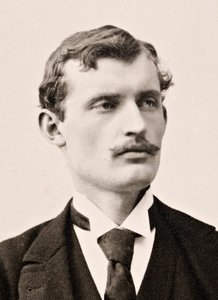
1863 - 1944 , Шведска
Otkrijte 10 remek-dela ekspresionizma! Uronite u svet Edvarda Muncha, Ernsta Ludwiga Kirchnera i drugih. Istaknute umetničke slike, intenzivne boje i emocionalni izraz. Pronađite inspiraciju za svoj enterijer na Most-Famous-Paintings.com – vrhunski izbor reprodukcija slika!

Explore the powerful world of Ernst Ludwig Kirchner and German Expressionism. Discover his iconic paintings, Die Brücke group, and the movement's exploration of urban anxiety & modern identity. Expert analysis for collectors & enthusiasts.

Transform your living room with iconic art! Explore our guide to the Top 10 most famous paintings – from Van Gogh's Starry Night to Mona Lisa. Discover artist stories, techniques & find museum-quality reproductions for timeless decor. Explore the full collection on

Explore the life & art of Mark Gertler, a key figure in British Vorticism. Discover his poignant portraits, Bloomsbury connections, and enduring legacy. Expert analysis & high-quality reproductions at Most-Famous-Paintings.

Explore 10 legendary acrylic paintings that revolutionized modern art! From Helen Frankenthaler's color fields to Richter’s abstract power, discover the stories behind these iconic masterpieces. Find museum-quality reproductions & elevate your home decor on Most-Famous-Paintings.com.


Budite u toku sa najnovijim vestima o umetnosti, ekskluzivnim ponudama i idejama za dekoraciju.
Recite nam o vašem projektu i naši stručnjaci za umetnost će vam pružiti 3 personalizovana predloga umetničkih dela.
Dozvolite nam da odaberemo 3 opcije specijalno za Vas - Besplatno!


 Preview
 Pošalji
 Podeli
 Detalji o delu

 Преузми
 Slični predmeti
 Rendgenski snimak
 Slajdovi

 Pročitaj više







 Opcija sa staklom dostupna je samo za dimenzije manje od 110 cm