


x

Giclée štampa ili print na platnu muzejskog kvaliteta uz brzu proizvodnju i fleksibilne opcije završne obrade. ( Kupi ručno naslikanu sliku Kupi digitalnu sliku)





























Izaberite jednu od naših unapred definisanih veličina koje odgovaraju originalnim proporcijama umetničkog dela.

Možete uneti sopstvene dimenzije kako biste umetničko delo prilagodili specifičnom okviru ili prostoru. Ako odabrani format ne odgovara proporcijama originalne slike, mi ćemo ili iscrtati deo dela ili proširiti sliku pomoću ogledane ivice ili jednobojnog popunjavanja. Digitalni prikaz će vam biti poslat na odobrenje pre početka proizvodnje.
Imajte na umu da pregled na ekranu ne odražava stvarno iscrtavanje ili proširivanje. Samo će prikaz (mockup) precizno pokazati finalnu kompoziciju.
Iako su prilagođene dimenzije dostupne, preporučujemo da odaberete dimenziju sa unapred definisane liste kako biste očuvali originalne proporcije.
Dostava širom sveta () za 2 nedelje umesto uobičajenih 4/5 nedelja. (18 август)


untitled (5971)
Dimenzije reprodukcije
Edvard Munch's "Untitled (5971)," a watercolor and gouache landscape, isn’t merely a depiction of a rural scene; it’s a visceral plunge into the artist’s own turbulent psyche. Painted in 1893, during a period of intense personal struggle and burgeoning artistic experimentation, this work embodies the core tenets of Expressionism – a movement that sought to convey subjective emotions rather than objective reality. The piece immediately commands attention with its arresting palette: a dominant wash of deep blues and purples, punctuated by the stark crimson of a solitary building nestled amongst the pines. These colors aren’t chosen casually; they evoke a profound sense of isolation, twilight, and perhaps even impending doom – mirroring the emotional landscape Munch himself navigated so acutely.
While firmly rooted in the stylistic conventions of impressionism—noticeable in the loose brushstrokes, the emphasis on atmospheric perspective, and the blurring of sharp edges—"Untitled (5971)" transcends simple imitation. Munch deliberately distorts forms, flattening depth and simplifying shapes to amplify their emotional resonance. The trees aren’t rendered with meticulous detail; instead, they are suggested through undulating lines that seem to writhe with an unseen energy. The small building, a beacon of warmth against the cool backdrop, is similarly stylized, its red roof almost aggressively vibrant – a symbol perhaps of fleeting hope or the last vestiges of comfort in a world consumed by melancholy. The tilted composition itself contributes to this sense of unease, drawing the viewer’s eye into the scene and subtly unsettling their perception.
Understanding Edvard Munch requires acknowledging the profound impact of his life experiences. Born in 1863 amidst a family plagued by illness, premature death, and mental instability, Munch’s art is inextricably linked to his personal demons. His mother died when he was five, followed by his sister Johanne Sophie just two years later – both victims of tuberculosis. These early losses instilled within him a lifelong preoccupation with mortality, disease, and the fragility of human existence. The painting's somber mood and unsettling imagery are not accidental; they’re direct reflections of Munch’s own internal struggles. The recurring motif of sickness—evident in the muted colors and hazy atmosphere—underscores this deeply personal theme.
Beyond its immediate visual impact, “Untitled (5971)” is rich with symbolic potential. The solitary building could represent a refuge, a sanctuary from the encroaching darkness, or perhaps simply a reminder of lost connections. The pine trees, traditionally associated with mourning and remembrance, further reinforce this sense of sorrow. Many art historians believe that the painting alludes to Munch’s famous “The Scream,” capturing a similar feeling of existential dread and isolation. While not a direct copy, "Untitled (5971)" shares a core emotional intensity – a silent scream echoing through the landscape. The work invites contemplation on themes of loneliness, loss, and the human condition, offering a poignant glimpse into the artist’s troubled soul.
This evocative piece is more than just a painting; it's an invitation to confront the darker aspects of our own experience. Reproductions capture much of the original’s power, allowing viewers to bring this profound work into their homes and spaces – a testament to Munch’s enduring legacy as one of art history’s most emotionally resonant figures.
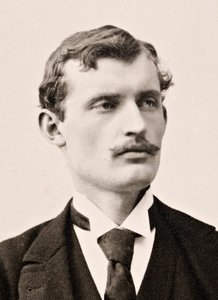
1863 - 1944 , Шведска

Explore the profound history and technical mastery of watercolor painting. From medieval manuscripts to the luminous works of John Singer Sargent, discover how artists capture light and transparency through this delicate, enduring medium.


Budite u toku sa najnovijim vestima o umetnosti, ekskluzivnim ponudama i idejama za dekoraciju.
Recite nam o vašem projektu i naši stručnjaci za umetnost će vam pružiti 3 personalizovana predloga umetničkih dela.
Dozvolite nam da odaberemo 3 opcije specijalno za Vas - Besplatno!


 Pregledaj u prostoru
 Pošalji
 Podeli
 Detalji o delu

 Преузми
 Slični predmeti
 Rendgenski snimak
 Slajdovi

 Pročitaj više







 Opcija sa staklom dostupna je samo za dimenzije manje od 110 cm


