


x
 Preview
 Kupi štampu Kupi digitalnu sliku
 Pošalji
 Detalji o delu
 Dodaj u omiljene
 Преузми
 Slični predmeti
 Rendgenski snimak
 Slajdovi
 Ulje na platnuUmetnost za zidoveExpressionism
 189319. vek
 91.0 x 73.0 cm
 Narodni galerija
Ručno oslikano uljanim bojama na platnu u dimenzijama i okviru po vašem izboru, izrađeno po porudžbini od strane naših umetnika.





























Izaberite jednu od naših unapred definisanih veličina koje odgovaraju originalnim proporcijama umetničkog dela.

Можете унети сопствене димензије како бисте прилагодили дело одређеном оквиру или простору. Ако одабрана величина не одговара пропорцијама оригинала, слика ће бити исечена или проширена додатним елементима који се ручно насликавају. Дигитални prikaz ће вам бити послат на одобрење пре почетка производње.
Имајте на уму да преглед на екрану не одражава стварно исецање или проширење. Само приказ (mockup) ће тачно приказати коначну композицију.
Иако су доступне прилагођене величине, препоручујемо да одаберете димензију из дефинисане листе како бисте сачували оригиналне пропорције.
Isporuka širom sveta () za 3/4 nedelje umesto uobičajenih 5 nedelja. (27 јул). Bez kompromisa po pitanju kvaliteta.


Врисок
Dimenzije reprodukcije
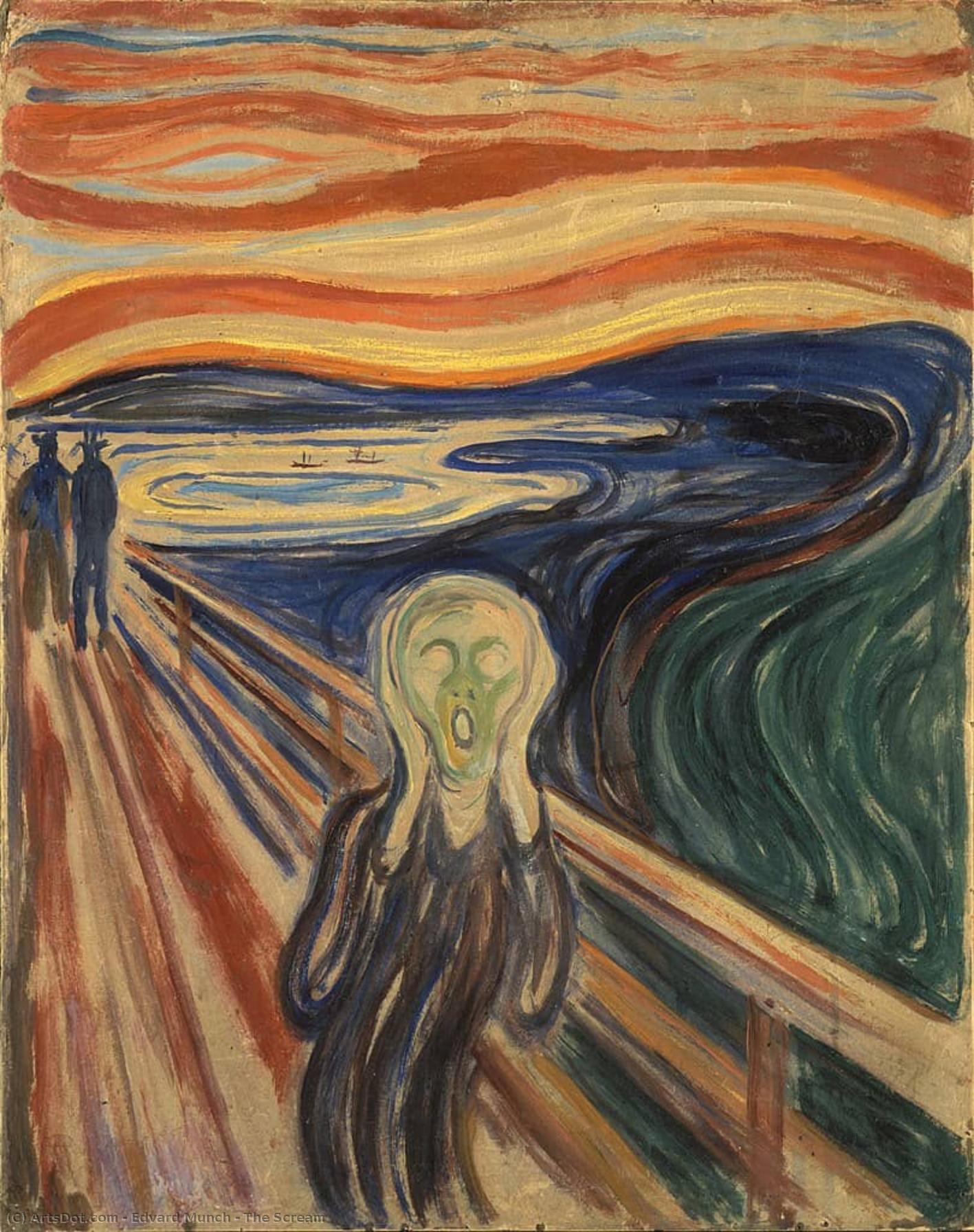
Edvard Munch’s “The Scream,” painted in 1893, isn't merely an artwork; it is a visceral cry echoing through the corridors of modern consciousness. More than just a depiction of a scene, it embodies a profound sense of existential dread, alienation, and anxiety—emotions that continue to resonate deeply with audiences across generations. This iconic image stands as a cornerstone of Expressionism, rejecting traditional representational art in favor of conveying raw, internal emotional experience. The late 19th century was a period of immense social upheaval, rapid industrialization, and philosophical uncertainty in Europe, and Munch’s masterpiece captures this zeitgeist with unsettling accuracy, reflecting the fragmentation and unease that defined modern life.
What immediately strikes the viewer is the deliberate disquiet of the composition. The gaunt, almost androgynous figure dominating the foreground clutches its head in a gesture of profound anguish, mouth agape in what appears to be a silent scream. This isn’t a scream directed at something specific; it's an internal eruption—a feeling of being overwhelmed by isolation and despair. Munch masterfully employs swirling lines and distorted forms to create a sense of chaos and instability. The flattened perspective draws the viewer directly into this emotional vortex, foregoing any realistic spatial experience. Observe how the bridge recedes diagonally into the distance, mirroring the figure’s internal turmoil. The two shadowy figures in the background, walking away, amplify the protagonist's isolation—symbols perhaps of indifference or an inability to truly connect with another's suffering.
Munch’s technique further intensifies the emotional impact. He utilized oil paints with broad, visible brushstrokes, often scraping and manipulating the surface to create a raw, textured quality that amplifies the work's visceral nature. The color palette is particularly striking—fiery oranges and reds clash dramatically with cool blues and greens, creating an unsettling vibrancy. This isn’t a harmonious blend; it’s a visual representation of inner conflict. The vibrant hues aren't meant to depict a pleasant sunset but rather to convey the intensity of the emotional experience. The visible brushstrokes themselves contribute to the sense of urgency and unrest—as if the painting were created in a moment of intense feeling, capturing a fleeting glimpse into the artist’s tormented psyche.
“The Scream” transcends mere representation; it's a symbolic exploration of universal human anxieties. It speaks to feelings of alienation, dread, and the overwhelming nature of modern existence—themes that remain profoundly relevant today. Munch wasn’t simply depicting a scene from life; he was translating an intensely personal, internal state onto canvas. The figure isn't screaming *at* something but rather *from* something – a deep well of despair. The enduring power of “The Scream” lies in its ability to tap into these primal emotions, resonating with viewers regardless of their cultural background or historical context. It serves as a poignant reminder of the fragility of human existence and the ever-present potential for anxiety and isolation in an increasingly complex world.

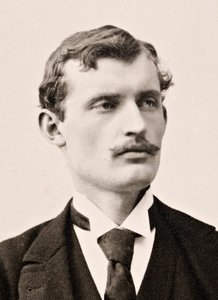
1863 - 1944 , Шведска

Istražite 25 remek-dela Edvarda Muncha i otkrijte dubinu ekspresionizma, tugu i anksioznost u njegovim ikončnim slikama. Kvalitetne reprodukcije za dekoraciju enterijera dostupne na Most-Famous-Paintings.com. Pronađite inspiraciju i kupite umetnička dela online!

Uronite u svet 25 remek-dela Metropoliten muzeja! Otkrijte priče Van Goga, Monēa i drugih majstora. Reprodukcije slika vrhunskog kvaliteta za vaš dom. Inspiracija & dekoracija enterijera na Most-Famous-Paintings.com
Istražite 25 remek-dela Džemsa Abota MekNila Whistler-a! Uronite u svet Tonalizma, portreta i prelepog pejzaža. Kupite vrhunske reprodukcije slika na Most-Famous-Paintings.com i obogatite svoj enterijer luksuznom umetnošću.
Istražite 25 remek-dela Nacionalne galerije u Vašingtonu! Otkrijte priče iza Cezannea, Matissea i Picassa. Inspiracija za dekoraciju enterijera i vrhunske reprodukcije slika dostupne na Most-Famous-Paintings.com.
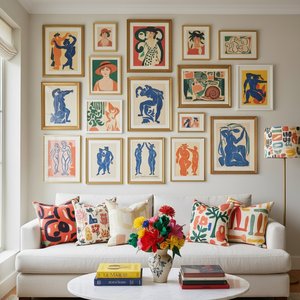
Uronite u svet Henri Matissea! Istražite 25 remek-dela Fauvizma i moderne umetnosti. Otkrijte priče iza slika, tehnike i inspiraciju slavnog francuskog slikara. Reprodukcije vrhunskog kvaliteta dostupne na Most-Famous-Paintings.com.


Budite u toku sa najnovijim vestima o umetnosti, ekskluzivnim ponudama i idejama za dekoraciju.
Recite nam o vašem projektu i naši stručnjaci za umetnost će vam pružiti 3 personalizovana predloga umetničkih dela.
Dozvolite nam da odaberemo 3 opcije specijalno za Vas - Besplatno!


 Podeli

 Pročitaj više







 Opcija sa staklom dostupna je samo za dimenzije manje od 110 cm


