x


Giclée štampa ili print na platnu muzejskog kvaliteta uz brzu proizvodnju i fleksibilne opcije završne obrade. ( Pređite na ručno oslikano umetničko delo Prebacite na sliku)
Izaberite jednu od naših unapred definisanih veličina koje odgovaraju originalnim proporcijama umetničkog dela.

Možete uneti sopstvene dimenzije kako biste umetničko delo prilagodili specifičnom okviru ili prostoru. Ako odabrani format ne odgovara proporcijama originalne slike, mi ćemo ili iscrtati deo dela ili proširiti sliku pomoću ogledane ivice ili jednobojnog popunjavanja. Digitalni prikaz će vam biti poslat na odobrenje pre početka proizvodnje.
Imajte na umu da pregled na ekranu ne odražava stvarno iscrtavanje ili proširivanje. Samo će prikaz (mockup) precizno pokazati finalnu kompoziciju.
Iako su prilagođene dimenzije dostupne, preporučujemo da odaberete dimenziju sa unapred definisane liste kako biste očuvali originalne proporcije.
Dostava širom sveta () za 2 nedelje umesto uobičajenih 4/5 nedelja. (31 јул)


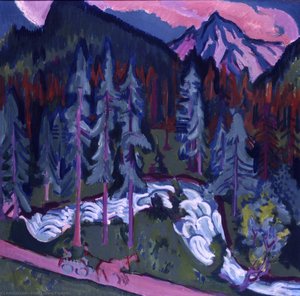
Evening Patrol
Dimenzije reprodukcije
Ernst Ludwig Kirchner’s “Evening Patrol” is not merely a depiction of two riders on horseback; it's a visceral plunge into the anxieties and uncertainties that defined the early 20th century. Executed in the style of German Expressionism, this work, likely a lithograph or etching, captures a moment suspended between urgency and unease, reflecting Kirchner’s profound engagement with the psychological landscape of his time. The composition immediately commands attention – two figures, rendered with stark, angular forms and bold black lines, dominate the central space, their diagonal movement suggesting a relentless pursuit, a patrol perhaps, yet one imbued with an unsettling lack of purpose. The simplified background, comprised of loosely defined shapes hinting at trees or foliage, serves not as a backdrop but as a visual echo of the figures’ internal turmoil.
“Evening Patrol” transcends a simple narrative; it’s a potent symbol of the anxieties simmering beneath the surface of early 20th-century Europe. The distorted forms, flattened perspective, and lack of realistic detail are hallmarks of Expressionism's core philosophy – to depict not what is seen but what is felt. The riders themselves become embodiments of this unease, their angular bodies and forceful lines suggesting a loss of control, a struggle against an unseen force. The ambiguity of their mission—a patrol or pursuit—further contributes to the artwork’s unsettling atmosphere, mirroring the broader sense of disorientation and uncertainty that characterized the era. Kirchner's work resonates with the concerns of his time – the rapid industrialization, social upheaval, and growing sense of alienation that fueled the Expressionist movement.
Kirchner’s “Evening Patrol” firmly places him within the heart of the German Expressionist movement, a reaction against the perceived superficiality and academic constraints of traditional art. Influenced by artists like Albrecht Dürer and deeply affected by the social and political climate of his time – particularly the rise of industrialization and urban life – Kirchner sought to express raw emotion through distorted forms and bold lines. His work aligns closely with the style of other key Expressionist figures, such as Emil Nolde and Max Pechstein, sharing a commitment to conveying subjective experience rather than objective reality. The piece’s dynamic composition and emotional intensity are hallmarks of Kirchner's distinctive approach, solidifying his place as one of the most important artists of the 20th century.
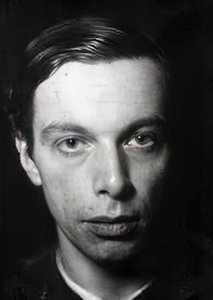
1880 - 1938 , Германија

Explore the powerful world of Ernst Ludwig Kirchner and German Expressionism. Discover his iconic paintings, Die Brücke group, and the movement's exploration of urban anxiety & modern identity. Expert analysis for collectors & enthusiasts.
Elevate your boutique hotel's identity with expertly curated art collections. Discover how strategic art integration enhances guest experiences & builds lasting brand connections. Expert advice and bespoke solutions for luxury hospitality.

Explore the rich symbolism & emotional power of yellow in art history! From Van Gogh to Kandinsky, discover how artists used this vibrant hue. Expert analysis & high-quality reproductions at Most-Famous-Paintings.
Explore 10 defining German Expressionism masterpieces – from Munch's 'The Scream' to Kandinsky’s abstracts. Discover the artists, stories & bold colors behind this powerful art movement. Find museum-quality reproductions at Most-Famous-Paintings.com.
Explore the powerful world of Expressionism! Discover key artists like Kirchner & Nolde, understand its emotional impact, and learn about this revolutionary art movement's lasting legacy. Expert insights for collectors & enthusiasts.


Budite u toku sa najnovijim vestima o umetnosti, ekskluzivnim ponudama i idejama za dekoraciju.
Recite nam o vašem projektu i naši stručnjaci za umetnost će vam pružiti 3 personalizovana predloga umetničkih dela.
Dozvolite nam da odaberemo 3 opcije specijalno za Vas - Besplatno!


 Pošalji
 Podeli
 Detalji o delu

 Преузми
 Slični predmeti
 Slajdovi

 Pročitaj više




































 Opcija sa staklom dostupna je samo za dimenzije manje od 110 cm