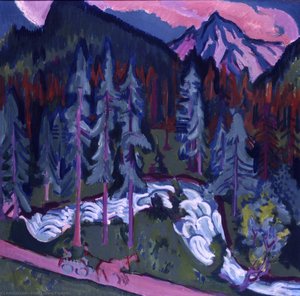
x

 ChalkExpressionism
 1938Modern
 47.0 x 34.0 cm
Ručno oslikano uljanim bojama na platnu u dimenzijama i okviru po vašem izboru, izrađeno po porudžbini od strane naših umetnika. ( Pređi na štampu Prebacite na sliku)





























Izaberite jednu od naših unapred definisanih veličina koje odgovaraju originalnim proporcijama umetničkog dela.

Можете унети сопствене димензије како бисте прилагодили дело одређеном оквиру или простору. Ако одабрана величина не одговара пропорцијама оригинала, слика ће бити исечена или проширена додатним елементима који се ручно насликавају. Дигитални prikaz ће вам бити послат на одобрење пре почетка производње.
Имајте на уму да преглед на екрану не одражава стварно исецање или проширење. Само приказ (mockup) ће тачно приказати коначну композицију.
Иако су доступне прилагођене величине, препоручујемо да одаберете димензију из дефинисане листе како бисте сачували оригиналне пропорције.
Isporuka širom sveta () za 3/4 nedelje umesto uobičajenih 5 nedelja. (10 август). Bez kompromisa po pitanju kvaliteta.


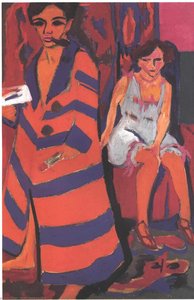
Self-portrait
Dimenzije reprodukcije
Ernst Ludwig Kirchner (1880-1938) was a pivotal figure in the German Expressionist movement, specifically within Die Brücke ("The Bridge"). Founded in Dresden in 1905, Die Brücke aimed to bridge the gap between traditional art and modern life. Alongside artists like Erich Heckel and Karl Schmidt-Rottluff, Kirchner sought to express raw emotion and subjective experience through bold colors, distorted forms, and unconventional perspectives. Expressionism itself was a reaction against the perceived materialism and complacency of bourgeois society, seeking instead to convey inner turmoil and psychological states.
This self-portrait exemplifies Kirchner's signature style. The use of chalk on canvas creates a textured surface that enhances the emotional intensity. Notice the stark contrast between light and shadow, which emphasizes the subject’s features and contributes to a sense of drama. The composition is tightly cropped, focusing primarily on Kirchner’s face and upper torso. This close-up view intensifies the feeling of intimacy and vulnerability. The angular lines and simplified forms are characteristic of Expressionism, rejecting realistic representation in favor of conveying emotional truth. The purple shirt adds a touch of vibrancy against the muted background, drawing attention to the artist's gaze.
The self-portrait is not merely a likeness; it’s a profound exploration of Kirchner’s inner world. His enigmatic facial expression invites contemplation – is it weariness, anxiety, or introspection? The direct gaze engages the viewer, creating a sense of connection and shared experience. Created in 1938, shortly before Kirchner's tragic suicide amidst the rising tide of Nazism, the painting carries a palpable weight of despair and foreboding. It reflects a period of immense personal and political upheaval in Germany. The work can be interpreted as a symbolic representation of an artist grappling with his own mortality and the encroaching darkness of the era.
Kirchner's self-portrait is particularly significant within the context of German history. The rise of Nazism led to the persecution of Expressionist artists, whose work was deemed "degenerate." Kirchner’s suicide in 1938 underscored the devastating impact of this cultural repression. Today, his works are celebrated for their emotional power and artistic innovation, offering a poignant glimpse into the soul of an artist confronting profound personal and societal challenges. This self-portrait remains a powerful testament to the enduring legacy of Expressionism and its ability to convey universal human emotions.

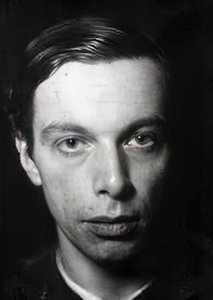
1880 - 1938 , Германија

Explore the visceral power of German Expressionism. From Ernst Ludwig Kirchner to Die Brücke, discover how bold colors and distorted forms unmask raw human emotion in this expert art history guide for collectors and enthusiasts.


Budite u toku sa najnovijim vestima o umetnosti, ekskluzivnim ponudama i idejama za dekoraciju.
Recite nam o vašem projektu i naši stručnjaci za umetnost će vam pružiti 3 personalizovana predloga umetničkih dela.
Dozvolite nam da odaberemo 3 opcije specijalno za Vas - Besplatno!


 Pregledaj u prostoru
 Pošalji
 Podeli
 Detalji o delu

 Преузми
 Slični predmeti
 Rendgenski snimak
 Slajdovi
 Pročitaj više







 Opcija sa staklom dostupna je samo za dimenzije manje od 110 cm