Prodajte svoju umetnost
Lista želja Корпа за куповину Cart
Pregledaj u prostoruPregledaj u prostoru AR pregledAR pregled Kupi print Kupi printKupi ručno naslikanu sliku Kupi ručno naslikanu sliku PošaljiPošalji
Detalji o deluDetalji o delu Dodaj u omiljene Dodaj u omiljene ПреузмиПреузми Slični predmetiSlični predmeti Rendgenski snimakRendgenski snimak SlajdoviSlajdovi

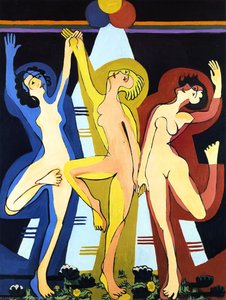
Three Bathers

Ernst Ludwig Kirchner (1880-1938): Ključni umetnik ekspresionizma i osnivač Die Brücke grupe. Istražite snažne emocije u njegovim slikama grada, golih tela i pejzaža – izraz umetnosti početka 20. veka koji vas uvlači u svet umetnosti i umetničkog dela.

Kupite digitalnu sliku visoke rezolucije i poboljšanog kvaliteta, koja je znatno superiornija od onoga što vidite u online prikazu.

Svaka datoteka je pedantno pripremljena od strane naših stručnjaka koristeći napredne alate i profesionalnu ručnu retušu. Osiguravamo da svaka slika ima izuzetnu oštrinu, preciznu reprodukciju boja i fine detalje.

Konačna datoteka se dostavlja putem e-pošte u roku od 72 sata, optimizovana za neposrednu upotrebu u profesionalnim, izdavačkim i štamparskim okruženjima. To je isti kvalitet kojem veruju vrhunski studiji dizajna, izdavači i galerije.

Digitalna slika

Preuzmite datoteku visoke rezolucije za ličnu upotrebu, štampanje i kreativne projekte. (Kupi print Kupi printKupi ručno naslikanu sliku Kupi ručno naslikanu sliku)

Ukupna cena

$ 24,90

Uključeno uz svaku porudžbinu digitalne slike

Profesionalna digitalna isporuka, zagarantovana

Kada odaberete Most-Famous-Paintings.com, ne dobijate samo sliku – vi primate profesionalno unapređeno digitalno umetničko delo, izrađeno sa najvećom preciznošću i uz garanciju zadovoljstva. Evo svega što automatski dolazi uz vašu porudžbinu:

shipping_icon
Brza dostava putem e-pošte

Vaša digitalna slika visoke rezolucije biće vam poslata putem e-pošte u roku od 72 sata od poručivanja – spremna za trenutnu upotrebu.

canvas_icon
Digitalna datoteka unapređena veštačkom inteligencijom

Vaše umetničko delo je profesionalno optimizovano korišćenjem naprednih AI alata i ručne obrade, čime se osiguravaju maksimalni detalji, oštrina i preciznost boja.

insurance_icon
Besplatna ponovna isporuka doživotno

Slučajno ste obrisali ili izgubili svoju datoteku? Ne brinite – poslaćemo vam je ponovo u bilo kom trenutku, potpuno besplatno.

tax_icon
Bez troškova uvoza – zauvek

Uživajte u svojim umetničkim delima trenutno, bez carine, dažbina ili troškova dostave – digitalni download je uvek bez poreza.

color_icon
Garancija vernosti boja

Uz pomoć profesionalnih alata i upravljanja bojama, osiguravamo da vaša digitalna slika što vernije odražava originalne boje.

return_icon
Garancija zadovoljstva u roku od 60 dana

Ako niste zadovoljni svojom digitalnom slikom, revidirat ćemo je ili vratiti 100% novca u roku od 60 dana – bez ikakvih pitanja.

guarantee_icon
100% garancija povrata novca

Niste zadovoljni? Obezbedite pun povrat novca u roku od 60 dana od trenutka kada ste primili svoju digitalnu datoteku – bez suvišnih pitanja.

discount_icon
Popusti na velike porudžbine

Kupite 3 slike, uštedite 10% - Kupite 5 slika, uštedite 15% - Kupite 10+ slika, uštedite 20%. Odlično za kreativne projekte, galerije i agencije.

Osnovne informacije

  • Artist: Ernst Ludwig Kirchner
  • Influences: African statuary
  • Subject or theme: Nude figures, landscape
  • Location: Not on display
  • Medium: Oil on canvas
  • Year: 1913
  • Movement: Expressionism

Opis kolekcionarskog dela

A Vision of Anxiety and Beauty – Ernst Ludwig Kirchner’s Three Bathers

Ernst Ludwig Kirchner’s “Three Bathers” stands as a cornerstone of German Expressionism, capturing not merely a landscape scene but an intensely felt emotional state. Painted in 1913, during the turbulent period preceding World War I, this artwork transcends mere visual representation to embody anxieties about modernity and the human condition—themes that resonate powerfully even today.

  • Composition & Style: Kirchner’s approach defies traditional perspective, flattening the canvas into a dynamic tableau where three nude female figures dominate the space. The bold brushstrokes characteristic of Die Brücke group – Kirchner's artistic collective – propel the composition forward, prioritizing emotional impact over realistic accuracy. This stylistic choice immediately establishes an unsettling atmosphere.
  • Color Palette & Texture: Dominating the canvas are warm hues—burnt oranges, yellows, and reds—contrasted sharply with cooler greens and blues. These colors aren’t blended smoothly; instead, they're applied in broad swathes, creating a palpable sense of texture through visible brushwork. The artist deliberately avoids impasto techniques, favoring a surface movement that mirrors the psychological turmoil depicted.
  • Symbolism & Narrative: Beyond its formal qualities, “Three Bathers” is laden with symbolic significance. The undulating green shapes represent foliage or water—elements often associated with primal forces and subconscious desires. The bird figure perched in the upper right corner symbolizes freedom and escape from confinement, offering a glimmer of hope amidst the pervasive anxiety. Kirchner’s depiction of the bathers isn't simply about physical activity; it’s an exploration of vulnerability and confrontation with nature.
  • Technique & Materials: Executed in oil paint on canvas, Kirchner meticulously crafted each stroke to convey emotion. The thick brushstrokes are decisive and energetic, defining the contours of the figures and contributing to the overall dynamism of the scene. The use of pigment is carefully considered—the artist prioritizes color intensity and tonal variation to heighten the emotional resonance of his work.
  • Historical Context & Legacy: Created during a period marked by social upheaval and artistic experimentation, “Three Bathers” reflects the Expressionist preoccupation with portraying inner psychological states. Its influence extends beyond Kirchner’s immediate circle, shaping subsequent generations of artists who sought to express emotion through distorted forms and vibrant colors—a legacy that continues to inspire contemporary art.

This striking artwork exemplifies the expressive power of German Expressionism, inviting viewers to contemplate not only its visual beauty but also its profound exploration of human psychology. A reproduction captures this essence beautifully, bringing Kirchner’s vision into any interior space.

Biografija umetnika

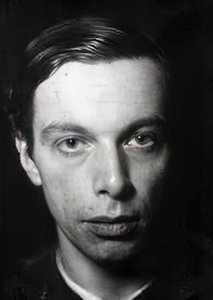
Ernst Ludwig Kirchner (1880-1938): A Life Forged in Expression

Ernst Ludwig Kirchner, a name inextricably linked to the visceral heart of German Expressionism, wasn’t merely an artist; he was a conduit for anxieties simmering beneath the surface of early 20th-century Europe. Born into Bavaria's quiet countryside in 1880, his formative years instilled within him a profound awareness of displacement—a feeling that would become a cornerstone of his artistic vision. From Frankfurt’s bustling streets to Perlen’s serene lakes and finally settling in Chemnitz, Kirchner absorbed the accelerating pace of modernity, grappling with its promises and perils. Initially pursuing architecture at Dresden University, he swiftly recognized painting as his true calling – driven by an admiration for masters like Albrecht Dürer and a rebellious rejection of academic conventions. He found solace and camaraderie amongst fellow artists—Fritz Bleyl, Karl Schmidt-Rottluff, Erich Heckel—forming bonds that would propel them to forge a revolutionary artistic movement.

The Genesis of Die Brücke: Seeking Authenticity Amidst Change

Kirchner’s artistic journey gained momentum in 1905 with the founding of *Die Brücke* (“The Bridge”), an artistic collective determined to transcend prevailing aesthetic norms and embrace raw emotional expression. This wasn't simply stylistic ambition; it was a philosophical crusade. The group drew inspiration from sources often dismissed by mainstream art circles—primitive art from Africa and Oceania, the turbulent hues of Vincent van Gogh, and Edvard Munch’s haunting explorations of psychological torment. Rejecting idealized beauty championed by academic painting, *Die Brücke* artists deliberately distorted forms, employed jarring color palettes, and utilized expressive brushwork to convey the pervasive anxieties surrounding urbanization and societal transformation. Kirchner's early canvases pulsed with restless energy—a reflection of the collective’s shared conviction that art could confront uncomfortable truths and challenge accepted ideologies. The studio became a crucible for experimentation, mirroring the broader cultural landscape of its time.

A Painter's Palette: Style and Technique

Kirchner’s distinctive artistic style was immediately recognizable for its bold visual language. He eschewed meticulous realism in favor of conveying emotion—a deliberate rejection of academic precision. His palette embraced vibrant, often unconventional colors—drawing heavily from the influence of Henri Matisse and Edvard Munch—creating a dramatic contrast between light and dark that heightened the intensity of his compositions. Furthermore, Kirchner’s brushstrokes were energetic and visible, contributing to an overall feeling of immediacy and unfiltered emotion. Figures and objects appeared distorted or elongated, reflecting not objective observation but subjective experience—a hallmark of Expressionist aesthetics. Recurring motifs included urban landscapes—particularly Berlin street scenes—and nude figures—often depicted in intimate poses—serving as vehicles for exploring themes of isolation, vulnerability, and the human condition. He skillfully utilized woodblock printing techniques, reviving a tradition rooted in German artistic heritage while simultaneously rejecting academic conventions.

Major Works: Capturing Modern Angst

Kirchner’s oeuvre encompasses a remarkable range of subjects—from haunting landscapes to psychologically charged portraits—each imbued with an unmistakable sense of unease and disillusionment. Paintings like *The Street* (1908) exemplify his masterful depiction of urban life, capturing the frenetic energy and emotional detachment characteristic of the era. Similarly, *Leaping Dancer* (1912) embodies Kirchner’s fascination with movement and dynamism—a deliberate departure from academic stillness—while simultaneously conveying a profound sense of psychological complexity. His exploration of human form—particularly nude figures—continues to resonate today, reflecting his conviction that art could illuminate the darker recesses of human consciousness. Notable prints include *The Bridge* (1908), *Five Women* (1913) and *Self-Portrait* (1910).

Legacy: An Artist Amidst Darkness

Kirchner’s artistic career tragically intersected with the tumultuous political landscape of Nazi Germany. Despite his unwavering commitment to artistic integrity—a stance that contrasted sharply with the regime's embrace of “degenerate art”—he endured persecution and suffered debilitating illness. Over 600 of his artworks were confiscated and destroyed—a devastating blow that underscored the chilling consequences of ideological intolerance. Facing despair and failing health, Kirchner succumbed to suicide in Davos, Switzerland, in 1938—leaving behind a legacy as one of Germany’s most influential Expressionist artists. His work continues to inspire contemporary artists with its unflinching portrayal of human emotion and its bold rejection of artistic conventions—a testament to the enduring power of art to confront societal injustices and grapple with existential questions. Kirchner's influence extends beyond his own paintings; he championed primitive art, revitalized woodblock printing, and fostered a spirit of experimentation that profoundly shaped the trajectory of 20th-century art.
Ерnst Лудвиг Киршнер

Ерnst Лудвиг Киршнер

1880 - 1938 , Германија

Kratke činjenice

  • Artistic Movement Or Style: Изразхеизм
  • Artists Who Influenced This Artist:
    • Албрехт Дюрер
    • Винсент ван Гох
    • Эдвард Мунк
  • Date Of Birth: 6 мај 1880.
  • Date Of Death: 15 јуну 1938.
  • Full Name: Ernst Ludwig Kirchner
  • Nationality: Германија
  • Notable Artworks:
    • Улица (1908)
    • Летећи танкеринен (1912)
    • Портрет самог себе (1910)
    • Пет жена (1913)
  • Place Of Birth: Ашафењебург, Германија