x

Ručno oslikano uljanim bojama na platnu u dimenzijama i okviru po vašem izboru, izrađeno po porudžbini od strane naših umetnika. ( Kupi print Kupi digitalnu sliku)
Izaberite jednu od naših unapred definisanih veličina koje odgovaraju originalnim proporcijama umetničkog dela.

Можете унети сопствене димензије како бисте прилагодили дело одређеном оквиру или простору. Ако одабрана величина не одговара пропорцијама оригинала, слика ће бити исечена или проширена додатним елементима који се ручно насликавају. Дигитални prikaz ће вам бити послат на одобрење пре почетка производње.
Имајте на уму да преглед на екрану не одражава стварно исецање или проширење. Само приказ (mockup) ће тачно приказати коначну композицију.
Иако су доступне прилагођене величине, препоручујемо да одаберете димензију из дефинисане листе како бисте сачували оригиналне пропорције.
Isporuka širom sveta () za 3/4 nedelje umesto uobičajenih 5 nedelja. (18 август). Bez kompromisa po pitanju kvaliteta.


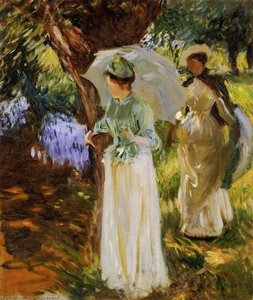
Untitled (AQZVBQ)
Dimenzije reprodukcije

Frits Jansen (1856-1928) stands as a significant, yet often underappreciated, figure in the landscape of late 19th and early 20th century Dutch art. Born in The Hague, his artistic journey wasn’t one of formal academic training but rather a deeply personal exploration fueled by observation and an innate sensitivity to light and atmosphere. While he initially studied at the Hague Academy of Arts, Jansen quickly realized that traditional instruction didn't align with his vision, leading him to pursue independent study and develop a distinctive style characterized by poetic realism and a profound understanding of color.
Jansen’s early works were largely focused on capturing the everyday life of Dutch citizens – scenes of market days, leisurely gatherings in public squares, and intimate portraits. However, it was his depictions of New York City during the winter months that truly cemented his reputation. These paintings, often rendered in muted tones and layered with snow, captured a melancholic beauty, reflecting both the grandeur and the isolation of urban life. He wasn’t simply documenting a city; he was conveying an emotional response to its atmosphere – a sense of quiet contemplation amidst bustling activity.
Jansen's artistic development reveals a fascinating interplay between influences. While firmly rooted in the Dutch tradition, particularly the realism championed by artists like Anton Mauve, he was deeply impacted by the burgeoning Impressionist movement in France. The emphasis on capturing fleeting moments of light and color, as seen in the works of Monet and Renoir, is evident in Jansen’s approach to depicting atmospheric effects. Furthermore, elements of Symbolism – a fascination with mood, emotion, and subjective experience – subtly permeate his work, particularly in his use of symbolism and evocative imagery.
He was also influenced by the works of artists like Albert Pinkham Ryder, whose moody landscapes and exploration of light and shadow resonated deeply with Jansen’s own artistic sensibilities. Jansen's ability to translate these influences into a uniquely personal style is what sets his work apart – he didn’t merely imitate; he absorbed and reinterpreted, creating something entirely new.
Jansen’s technique was characterized by meticulous observation and a masterful control of color. He employed a layered approach to painting, building up tones gradually through numerous thin glazes – a method that allowed him to achieve remarkable luminosity and depth. His use of light was particularly noteworthy; he wasn't interested in simply representing the appearance of light but rather conveying its emotional impact on the scene. He often worked *en plein air* (outdoors) to directly observe and capture the nuances of natural light.
Texture played a crucial role in his work, too. He skillfully rendered the rough surfaces of cobblestone streets, the glistening snowdrifts, and the folds of clothing with remarkable detail. His brushwork was often loose and expressive, contributing to the overall sense of atmosphere and movement. The combination of these elements – light, color, and texture – created paintings that were both visually stunning and emotionally resonant.
Among Jansen’s most celebrated works are his series of winter scenes in New York City, including “A Winter Afternoon” (1897) and "Snowy Street" (1898). These paintings, now housed in prominent museums worldwide, exemplify his mastery of atmospheric realism. He also produced a significant body of work depicting Dutch landscapes and portraits, showcasing his versatility as an artist.
Despite not achieving widespread fame during his lifetime, Frits Jansen’s legacy has grown steadily over the years. His paintings are now recognized for their poetic beauty, emotional depth, and technical brilliance. He is considered a key figure in the development of Dutch realism and a significant contributor to the broader European art scene. His work continues to inspire artists today with its evocative portrayal of light, atmosphere, and the human experience.


Budite u toku sa najnovijim vestima o umetnosti, ekskluzivnim ponudama i idejama za dekoraciju.
Recite nam o vašem projektu i naši stručnjaci za umetnost će vam pružiti 3 personalizovana predloga umetničkih dela.
Dozvolite nam da odaberemo 3 opcije specijalno za Vas - Besplatno!


 Pregledaj u prostoru
 Pošalji
 Podeli
 Detalji o delu

 Преузми
 Slični predmeti
 Rendgenski snimak
 Slajdovi
 Pročitaj više




































 Opcija sa staklom dostupna je samo za dimenzije manje od 110 cm