


x

Ručno oslikano uljanim bojama na platnu u dimenzijama i okviru po vašem izboru, izrađeno po porudžbini od strane naših umetnika. ( Kupi print Kupi digitalnu sliku)
Izaberite jednu od naših unapred definisanih veličina koje odgovaraju originalnim proporcijama umetničkog dela.

Можете унети сопствене димензије како бисте прилагодили дело одређеном оквиру или простору. Ако одабрана величина не одговара пропорцијама оригинала, слика ће бити исечена или проширена додатним елементима који се ручно насликавају. Дигитални prikaz ће вам бити послат на одобрење пре почетка производње.
Имајте на уму да преглед на екрану не одражава стварно исецање или проширење. Само приказ (mockup) ће тачно приказати коначну композицију.
Иако су доступне прилагођене величине, препоручујемо да одаберете димензију из дефинисане листе како бисте сачували оригиналне пропорције.
Isporuka širom sveta () za 3/4 nedelje umesto uobičajenih 5 nedelja. (16 август). Bez kompromisa po pitanju kvaliteta.


The holy face 2
Dimenzije reprodukcije
Georges Rouault’s “The Holy Face 2” is not merely a depiction of a man's head; it’s an immersion into the heart of spiritual seeking, a testament to the artist’s deeply held convictions and his unique approach to portraying human suffering. Painted in the late 19th/early 20th century, this work embodies Rouault’s signature style – a bold, almost brutal honesty rendered through meticulously crafted dark contours framing luminous color fields. The image, dominated by stark black and yellow hues, immediately draws the viewer into a space of intense contemplation, echoing the artist's own profound faith.
The subject itself, a representation of Christ’s face, is presented with an unflinching realism. The slightly closed mouth suggests a quiet acceptance, while the open eyes convey a sense of enduring sorrow and perhaps even a glimmer of hope. Rouault deliberately avoids idealized beauty; instead, he offers a portrait of vulnerability and sacrifice – a deliberate choice reflecting his commitment to depicting the marginalized and suffering within society. The blue square background isn’t simply an aesthetic element; it serves to isolate and amplify the figure's solemnity, creating a visual echo of the religious iconography prevalent in medieval art, particularly stained glass.
Rouault’s artistic lineage is immediately apparent. His apprenticeship as a glass painter at fourteen profoundly shaped his aesthetic sensibilities, imbuing him with a deep understanding of color and form. This influence manifests powerfully in “The Holy Face 2” through the heavy black contouring – reminiscent of leaded glass – that defines the figure's features. These bold outlines aren’t merely decorative; they create a sense of depth and solidity, anchoring the image within a tangible space. The luminous yellow fields surrounding the face are equally significant, recalling the vibrant hues of stained glass and suggesting an inner radiance, a spiritual light emanating from Christ himself.
The painting's texture is deliberately rough, achieved through Rouault’s layering of oil paint – a technique he honed during his printmaking training. This tactile quality adds to the work’s emotional impact, conveying a sense of age and wear, as if the image has borne witness to centuries of devotion. The composite process, incorporating etching on paper, overlaying oil paint, and mounting on a wooden board, further emphasizes this layered approach – mirroring the complexities of faith and human experience.
“The Holy Face 2” resonates deeply with the devotional practices surrounding images of Christ’s face, particularly those associated with the “Holy Faces” tradition. Like the depictions found in the Shroud of Turin or the image on the Veronica veil, this painting seeks to evoke empathy and contemplation of Christ's suffering. Rouault’s work aligns with Gustave Moreau’s concept of “inner vision,” aiming not for a literal representation but rather an emotional response within the viewer. The redemptive tone, reminiscent of "Miserere et Guerre," suggests a profound engagement with themes of sacrifice, repentance, and ultimately, salvation.
Furthermore, Rouault's artistic trajectory – from his early fascination with religious symbolism to his later embrace of Expressionism – is evident in this piece. The stark contrasts, the heightened emotionality, and the focus on human vulnerability all point to a deeply personal and spiritually driven artistic vision. “The Holy Face 2” stands as a powerful testament to Rouault’s enduring legacy as one of France's most significant and emotionally resonant artists.


1871 - 1958 , Француска
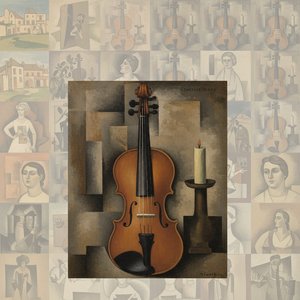
Istražite 25 remek-dela Georges Braquea, pionira kubizma. Otkrijte priče iza slika, tehnike i inspiraciju za dizajn enterijera. Reprodukcije vrhunskog kvaliteta dostupne na Most-Famous-Paintings.com! Pronađite savršeno umetničko delo online.
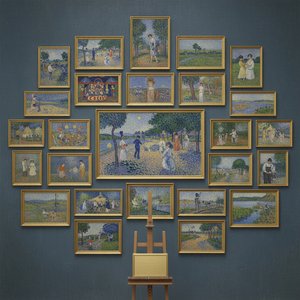
Istražite 25 remek-dela Žorža Seurea i uronite u svet tačizma i impresionističke revolucije. Otkrijte priče iza slika, tehnike i inspiraciju ovog francuskog umetnika. Reprodukcije vrhunskog kvaliteta dostupne na Most-Famous-Paintings.com!
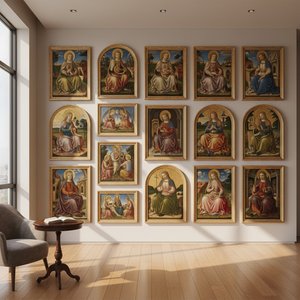
Uronite u svet Fra Anđela – 25 remek-dela renesansnog slikara. Otkrijte priče iza njegovih čuvenih fresaka i oltarskih slika, inspiracija za enterijer i duhovni mir. Kupite reprodukcije vrhunskog kvaliteta na Most-Famous-Paintings.com!

Istražite 25 remek-dela El Greka! Otkrijte priče iza njegovih ikoničnih slika, baroknog stila i duboke spiritualnosti. Reprodukcije vrhunskog kvaliteta za vaš dom na Most-Famous-Paintings.com.

Explore the rich history of religious iconography in art! Discover symbolism, movements & masterpieces from Byzantine to Renaissance periods. Expert insights for collectors and enthusiasts at Most-Famous-Paintings.


Budite u toku sa najnovijim vestima o umetnosti, ekskluzivnim ponudama i idejama za dekoraciju.
Recite nam o vašem projektu i naši stručnjaci za umetnost će vam pružiti 3 personalizovana predloga umetničkih dela.
Dozvolite nam da odaberemo 3 opcije specijalno za Vas - Besplatno!


 Pregledaj u prostoru
 Pošalji
 Podeli
 Detalji o delu

 Преузми
 Slični predmeti
 Rendgenski snimak
 Slajdovi

 Pročitaj više




































 Opcija sa staklom dostupna je samo za dimenzije manje od 110 cm


