x

Giclée štampa ili print na platnu muzejskog kvaliteta uz brzu proizvodnju i fleksibilne opcije završne obrade. ( Kupi ručno naslikanu sliku Kupi digitalnu sliku)





























Izaberite jednu od naših unapred definisanih veličina koje odgovaraju originalnim proporcijama umetničkog dela.

Možete uneti sopstvene dimenzije kako biste umetničko delo prilagodili specifičnom okviru ili prostoru. Ako odabrani format ne odgovara proporcijama originalne slike, mi ćemo ili iscrtati deo dela ili proširiti sliku pomoću ogledane ivice ili jednobojnog popunjavanja. Digitalni prikaz će vam biti poslat na odobrenje pre početka proizvodnje.
Imajte na umu da pregled na ekranu ne odražava stvarno iscrtavanje ili proširivanje. Samo će prikaz (mockup) precizno pokazati finalnu kompoziciju.
Iako su prilagođene dimenzije dostupne, preporučujemo da odaberete dimenziju sa unapred definisane liste kako biste očuvali originalne proporcije.
Dostava širom sveta () za 2 nedelje umesto uobičajenih 4/5 nedelja. (15 август)


D.Z
Dimenzije reprodukcije
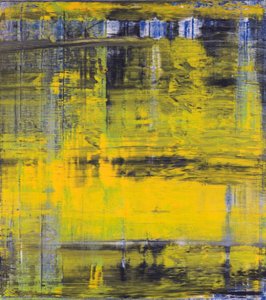
Gerhard Richter's 1985 painting, “D.Z.”, is not merely a composition of color; it’s an invitation to contemplate the complexities of perception and memory. Initially appearing as a large-scale abstract work dominated by a vibrant yellow background, closer inspection reveals a carefully orchestrated interplay of blues, reds, and greens – elements that coalesce into a deeply evocative and subtly unsettling scene. This piece, currently available as a meticulously hand-painted reproduction from Most-Famous-Paintings.com, offers a compelling glimpse into the artist’s signature style: a masterful blend of realism and abstraction, often imbued with an underlying sense of melancholy and uncertainty.
Richter's work is inextricably linked to the fractured history of 20th-century Germany, a period that profoundly shaped his artistic vision. Born in Dresden in 1932, he experienced displacement and upheaval during World War II, events which instilled within him a persistent questioning of reality – a core element reflected throughout his oeuvre. This early exposure to instability is arguably the foundation for his later explorations of blurred images, layered textures, and ambiguous forms. “D.Z.” embodies this spirit; it’s not about providing definitive answers but rather prompting viewers to engage in their own interpretations.
The painting's strength lies in its deceptively simple arrangement. The dominant yellow field acts as a neutral backdrop, allowing the other colors – particularly the deep blue object centrally positioned – to command attention. Richter’s technique is characterized by layers of thin oil paint applied with meticulous precision, creating a subtle, almost granular texture. This layering contributes significantly to the painting's depth and luminosity; it’s not a flat surface but rather an accumulation of visual information that invites prolonged viewing. The use of color itself is deliberate: the blues evoke feelings of introspection and perhaps even sadness, while the reds and greens introduce moments of vibrant energy, creating a dynamic tension within the composition.
Interestingly, Richter frequently employed techniques reminiscent of photography in his work, often using photographs as a starting point for his paintings. This approach is evident here; the image possesses a certain photographic quality – a sense of immediacy and documentation – yet it’s simultaneously transformed through Richter's artistic intervention. The blurring and layering create an effect that is both familiar and strangely alienating, mirroring the way memories can be fragmented and unreliable.
While Richter himself often resists definitive interpretations of his work, “D.Z.” certainly invites speculation about its symbolic meaning. The central blue object remains deliberately ambiguous – it could represent a figure, an object, or simply a void. Its placement in the center draws the viewer’s eye and establishes a focal point, yet its lack of clear definition encourages projection and personal association. Considering Richter's own childhood experiences—the displacement, loss, and uncertainty—it is not surprising that his work often carries a sense of longing or unresolved questions.
The painting’s overall effect is one of quiet contemplation. It doesn’t shout for attention; instead, it whispers with subtle nuances and invites the viewer to lose themselves in its intricate details. It's a piece that rewards repeated viewing, revealing new layers of meaning with each encounter.
Most-Famous-Paintings.com offers exceptional hand-painted reproductions of Gerhard Richter’s masterpieces, including “D.Z.”. Our skilled artisans meticulously recreate the painting's texture, color palette, and atmospheric depth, ensuring that you receive a faithful representation of this iconic work. Whether for your home gallery or office space, a Most-Famous-Paintings reproduction provides an authentic connection to Richter’s artistic vision – a tangible reminder of his profound exploration of perception, memory, and the complexities of the human experience. Explore the full artwork details and order your hand-painted reproduction today at Most-Famous-Paintings.com.

1932 - , Германија
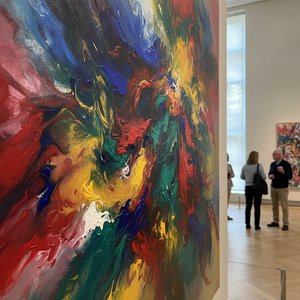
Explore the profound emotional depth of Lyrical Abstraction. Discover how masters like Raymond Parker used color and form to bridge Impressionism and Abstract Expressionism. Learn about this pivotal movement through our expert-led art history guide.

Explore the profound emotional depth of Color Field painting. Discover the history of mid-century abstraction, from Rothko to Newman, and learn how pure color transforms the viewer's experience through our expert art history guide.

Discover the profound emotional depth and investment potential of contemporary abstraction. Our expert guide explores how texture, movement, and form create timeless value for discerning art collectors and sophisticated interiors.

Explore the profound history and emotional depth of Abstract Expressionism. From Jackson Pollock to Mark Rothko, master the nuances of the New York School through our expert art history guide. Discover museum-quality hand-painted reproductions for your collection.
Master the nuances of abstract art with our expert guide. Explore the profound emotional depth of non-objective forms, from Abstract Expressionism to Color Field painting, and learn how to curate impactful, sophisticated masterpieces for your private collection.


Budite u toku sa najnovijim vestima o umetnosti, ekskluzivnim ponudama i idejama za dekoraciju.
Recite nam o vašem projektu i naši stručnjaci za umetnost će vam pružiti 3 personalizovana predloga umetničkih dela.
Dozvolite nam da odaberemo 3 opcije specijalno za Vas - Besplatno!


 Pregledaj u prostoru
 Pošalji
 Podeli
 Detalji o delu

 Преузми
 Slični predmeti
 Rendgenski snimak
 Slajdovi

 Pročitaj više







 Opcija sa staklom dostupna je samo za dimenzije manje od 110 cm