x

Ručno oslikano uljanim bojama na platnu u dimenzijama i okviru po vašem izboru, izrađeno po porudžbini od strane naših umetnika. ( Pređi na štampu Prebacite na sliku)





























Izaberite jednu od naših unapred definisanih veličina koje odgovaraju originalnim proporcijama umetničkog dela.

Можете унети сопствене димензије како бисте прилагодили дело одређеном оквиру или простору. Ако одабрана величина не одговара пропорцијама оригинала, слика ће бити исечена или проширена додатним елементима који се ручно насликавају. Дигитални prikaz ће вам бити послат на одобрење пре почетка производње.
Имајте на уму да преглед на екрану не одражава стварно исецање или проширење. Само приказ (mockup) ће тачно приказати коначну композицију.
Иако су доступне прилагођене величине, препоручујемо да одаберете димензију из дефинисане листе како бисте сачували оригиналне пропорције.
Isporuka širom sveta () za 3/4 nedelje umesto uobičajenih 5 nedelja. (1 август). Bez kompromisa po pitanju kvaliteta.


L'HIVER
Dimenzije reprodukcije
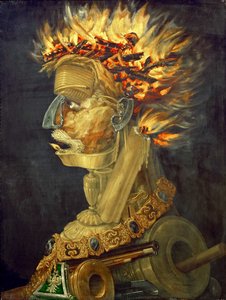
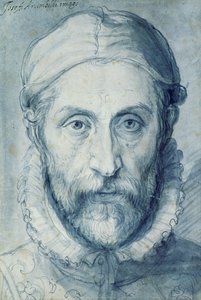
Giuseppe Arcimboldo (1527 – 1593), a Milanese artist who defied convention and cemented his place in art history, stands apart from his contemporaries. While many painters of the Renaissance focused on idealized depictions of human form—a pursuit driven by humanist ideals—Arcimboldo embarked on an audacious experiment: transforming portraits into elaborate still lifes composed entirely of fruits, vegetables, flowers, and other natural elements. His masterpiece, “L’Hiver” (Winter), housed in the Louvre Museum, exemplifies this singular approach and continues to captivate viewers with its ingenious illusionistic technique and profound symbolic resonance.
Historical Context: Arcimboldo’s work emerged during a time of intellectual ferment in Europe, fueled by rediscovery of classical texts and burgeoning scientific inquiry. The Renaissance fascination with the natural world—expressed vividly in botanical illustrations and anatomical studies—provided fertile ground for Arcimboldo's conceptual breakthrough. He wasn’t merely creating an aesthetically pleasing image; he was engaging in a dialogue with humanist thought, suggesting that human form could be mirrored in the patterns and textures of nature.
Symbolism & Emotional Impact: The choice of fruits and vegetables as portrait subjects carries significant symbolic weight. Winter itself represents dormancy, death, and rebirth—themes central to Renaissance cosmology. Arcimboldo’s depiction underscores the cyclical nature of existence and subtly conveys a message about resilience and transformation. More than just visually arresting, “L’Hiver” prompts contemplation on humanity's relationship with the environment and its ability to adapt to challenging circumstances. The artwork evokes a feeling of wonder—a delight in the unexpected juxtaposition of artifice and nature—leaving viewers pondering Arcimboldo’s genius.
Materials & Craftsmanship: Arcimboldo employed oil paint on panel, applying his technique with meticulous care. He began by gluing meticulously arranged fruits and vegetables onto a surface before transferring the image to canvas or panel using a process akin to mezzotint engraving—a method that ensured exceptional detail and tonal accuracy. This painstaking craftsmanship speaks volumes about Arcimboldo’s dedication to artistic excellence.

1527 - 1593

Explore the rich history of still life painting & the symbolism of fruit across art movements. Discover masterpieces from Caravaggio to Cézanne with Most-Famous-Paintings – expert guidance & museum-quality reproductions.

Explore the rich history & symbolism of still life painting with Most-Famous-Paintings. Discover masterpieces from the Dutch Golden Age, learn about vanitas art, and find expert guidance for collecting timeless artworks.

Explore the captivating world of Severin Roesen, a major American still life painter influenced by Dutch masters. Discover his lush compositions and the symbolism within his art – a window into 19th-century America.

Otkrijte bogatu istoriju mrtve prirode i kako umetničke reprodukcije transformišu prostore vile u elegantan ambijent. Saveti stručnjaka, simbolizam dela & investicioni potencijal.

Explore the evolution of contemplation in Western art from Renaissance masters to Modernism. Discover iconic artworks & find museum-quality reproductions at Most-Famous-Paintings.


Budite u toku sa najnovijim vestima o umetnosti, ekskluzivnim ponudama i idejama za dekoraciju.
Recite nam o vašem projektu i naši stručnjaci za umetnost će vam pružiti 3 personalizovana predloga umetničkih dela.
Dozvolite nam da odaberemo 3 opcije specijalno za Vas - Besplatno!


 Pregledaj u prostoru
 Pošalji
 Podeli
 Detalji o delu

 Преузми
 Slični predmeti
 Rendgenski snimak
 Slajdovi

 Pročitaj više







 Opcija sa staklom dostupna je samo za dimenzije manje od 110 cm