x

 Acrylic On CanvasWallArtFauvist Expressionism
 1902
1902 64.0 x 46.0 cm
Giclée štampa ili print na platnu muzejskog kvaliteta uz brzu proizvodnju i fleksibilne opcije završne obrade. ( Kupi ručno naslikanu sliku Kupi digitalnu sliku)





























Izaberite jednu od naših unapred definisanih veličina koje odgovaraju originalnim proporcijama umetničkog dela.

Možete uneti sopstvene dimenzije kako biste umetničko delo prilagodili specifičnom okviru ili prostoru. Ako odabrani format ne odgovara proporcijama originalne slike, mi ćemo ili iscrtati deo dela ili proširiti sliku pomoću ogledane ivice ili jednobojnog popunjavanja. Digitalni prikaz će vam biti poslat na odobrenje pre početka proizvodnje.
Imajte na umu da pregled na ekranu ne odražava stvarno iscrtavanje ili proširivanje. Samo će prikaz (mockup) precizno pokazati finalnu kompoziciju.
Iako su prilagođene dimenzije dostupne, preporučujemo da odaberete dimenziju sa unapred definisane liste kako biste očuvali originalne proporcije.
Dostava širom sveta () za 2 nedelje umesto uobičajenih 4/5 nedelja. (17 август)


Still Life
Dimenzije reprodukcije
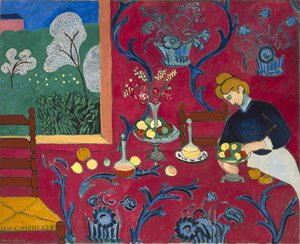
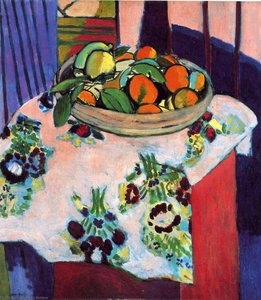
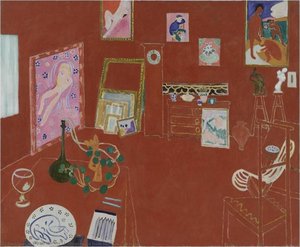
Henri Matisse’s “Still Life,” painted in 1902, stands as a cornerstone of the Fauvist movement—a radical departure from Impressionism that championed pure color and expressive brushstrokes above meticulous representation. This deceptively simple composition captures a moment of domestic tranquility: a table laden with earthenware bowls, cups, and vases overflowing with blossoms, alongside scattered apples offering textural contrast.
Matisse’s technique is instantly recognizable. Abandoning the subtle gradations of light and shadow favored by his predecessors, he applied pigment directly onto the canvas in bold, unmixed hues—primarily reds, yellows, and blues—creating a vibrant tapestry that assaults the senses with its intensity. This deliberate disregard for naturalistic color was intended to convey emotion rather than merely depict what the eye sees. As Matisse himself famously stated, “I want to paint what I see, not what I think.”
The painting’s genesis lies in a period of significant artistic experimentation. Following his convalescence from appendicitis, Matisse rediscovered painting as a passion and enrolled at the École Nationale des Beaux-Arts. Influenced by Cézanne's geometric simplification and Gauguin’s expressive use of color, he began to forge his own distinctive style—one that would soon propel him to international acclaim.
Beyond its visual dynamism, “Still Life” carries subtle symbolic weight. The flowers represent beauty and fragility, mirroring the fleeting nature of life itself. The apples symbolize ripeness and abundance, yet their scattered placement introduces an element of disorder—perhaps hinting at the complexities inherent in everyday existence. Matisse’s masterful control over color and form elevates this seemingly commonplace subject into a profound meditation on artistic expression.
"Still Life" isn't merely a visual spectacle; it evokes a feeling of warmth, serenity, and joy. The artist’s confident brushstrokes convey an unwavering belief in the transformative power of color—a conviction that continues to inspire artists and collectors alike. Reproductions of this iconic artwork offer a captivating glimpse into Matisse’s artistic vision and its enduring legacy.


1869 - 1954 , Francuska

Explore the profound evolution of Post-Impressionist landscapes. From Van Gogh's emotional brushwork to Cézanne's structural mastery, discover how these visionaries redefined art history through color and form in this expert guide for fine art enthusiasts.

Explore the transformative era of Post-Impressionism. Discover how masters like Van Gogh moved beyond light to embrace emotion, structure, and vibrant color, redefining modern art history through expressive brushwork and symbolic depth.


Budite u toku sa najnovijim vestima o umetnosti, ekskluzivnim ponudama i idejama za dekoraciju.
Recite nam o vašem projektu i naši stručnjaci za umetnost će vam pružiti 3 personalizovana predloga umetničkih dela.
Dozvolite nam da odaberemo 3 opcije specijalno za Vas - Besplatno!


 Pregledaj u prostoru
 Pošalji
 Podeli
 Detalji o delu

 Преузми
 Slični predmeti
 Rendgenski snimak
 Slajdovi
 Pročitaj više







 Opcija sa staklom dostupna je samo za dimenzije manje od 110 cm