


x

 Acrylic On CanvasWallArtFauvism
 1912Modern
 116.0 x 81.0 cm
Giclée štampa ili print na platnu muzejskog kvaliteta uz brzu proizvodnju i fleksibilne opcije završne obrade. ( Kupi ručno naslikanu sliku Kupi digitalnu sliku)





























Izaberite jednu od naših unapred definisanih veličina koje odgovaraju originalnim proporcijama umetničkog dela.

Možete uneti sopstvene dimenzije kako biste umetničko delo prilagodili specifičnom okviru ili prostoru. Ako odabrani format ne odgovara proporcijama originalne slike, mi ćemo ili iscrtati deo dela ili proširiti sliku pomoću ogledane ivice ili jednobojnog popunjavanja. Digitalni prikaz će vam biti poslat na odobrenje pre početka proizvodnje.
Imajte na umu da pregled na ekranu ne odražava stvarno iscrtavanje ili proširivanje. Samo će prikaz (mockup) precizno pokazati finalnu kompoziciju.
Iako su prilagođene dimenzije dostupne, preporučujemo da odaberete dimenziju sa unapred definisane liste kako biste očuvali originalne proporcije.
Dostava širom sveta () za 2 nedelje umesto uobičajenih 4/5 nedelja. (23 август)


The Palm
Dimenzije reprodukcije
Henri Matisse's "The Palm," painted in 1912 during his pivotal exploration of Fauvism, isn’t merely a depiction of a sunny afternoon; it’s an explosion of color and emotion captured on canvas. This vibrant scene, housed within the walls of The Museum of the Annunciation in France, offers a glimpse into a transformative period in art history – a time when artists deliberately rejected academic realism in favor of subjective experience and the raw power of color. Measuring 116 x 81 cm, “The Palm” invites us to step into a world where nature’s beauty is amplified through Matisse's bold artistic vision.
At first glance, the painting presents two figures strolling beneath the shade of palm trees against a backdrop of lush greenery. However, this seemingly simple composition quickly reveals itself as a carefully orchestrated symphony of color and form. The palette is dominated by intense blues, yellows, and oranges – hues that Matisse himself famously described as “the true colors of things.” These aren’t muted or blended; they are applied with thick, deliberate brushstrokes, creating a sense of dynamism and immediacy. Two strategically placed umbrellas add an unexpected element of everyday life to the idyllic setting, hinting at human presence without disrupting the painting's overall mood of serene beauty.
“The Palm” is inextricably linked to the rise of Fauvism – a movement that Matisse spearheaded alongside André Derain. Fauves, meaning “wild beasts,” deliberately abandoned traditional color conventions, using vibrant, non-naturalistic hues to express their emotions and perceptions. This wasn’t about accurately representing reality; it was about conveying feeling through color itself. Influenced by the bold colors of African masks and textiles – a fascination Matisse cultivated during his travels – he sought to liberate color from its descriptive function, allowing it to stand on its own as a powerful artistic tool.
The simplification of forms within “The Palm” is another key characteristic of Fauvism. The figures are rendered with minimal detail, almost like stylized silhouettes, emphasizing their presence and movement rather than precise anatomical representation. This approach aligns perfectly with Matisse’s belief that the essence of a subject – its spirit or feeling – was more important than its literal form. The palm trees themselves, depicted with slender trunks and feathery leaves, provide a touch of naturalism while simultaneously contributing to the painting's overall sense of vibrancy.
“The Palm” represents an important transitional phase in Matisse’s artistic development – a period often referred to as Proto-Cubism. While not fully embracing the geometric fragmentation of Cubism, Matisse began experimenting with flattened perspectives and simplified shapes, laying the groundwork for this revolutionary movement. This shift reflects a broader trend within early 20th-century art, as artists increasingly questioned traditional notions of representation and explored new ways of perceiving and depicting the world.
Matisse’s exploration of color and form during this period was profoundly influential, paving the way for subsequent movements like Abstract Expressionism. His willingness to challenge established conventions and prioritize emotional expression helped to redefine the boundaries of modern art. “The Palm” stands as a testament to his innovative spirit and enduring legacy – a vibrant reminder that art can be both beautiful and deeply expressive.
“The Palm” continues to captivate audiences today with its joyous palette, dynamic composition, and evocative atmosphere. It’s more than just a pretty picture; it's a window into the mind of one of the 20th century’s most influential artists. As a pivotal work in the history of Fauvism and Proto-Cubism, “The Palm” represents a significant step towards abstraction and expressionism, demonstrating Matisse’s profound impact on the evolution of modern art. For those seeking to experience the brilliance of Matisse's vision, reproductions like those offered by Most-Famous-Paintings.com provide an accessible way to bring this extraordinary artwork into your home or studio.
For further exploration of Fauvism and Proto-Cubism, consider visiting these resources:
You might also enjoy exploring Matisse’s other masterpieces, such as “La Danse (first version)” and “Nature morte aux oranges,” available for reproduction on Most-Famous-Paintings.com.


1869 - 1954 , Francuska
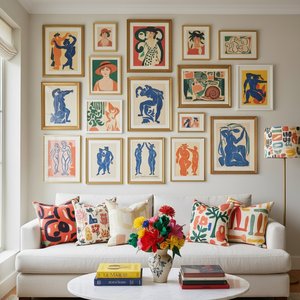
Uronite u svet Henri Matissea! Istražite 25 remek-dela Fauvizma i moderne umetnosti. Otkrijte priče iza slika, tehnike i inspiraciju slavnog francuskog slikara. Reprodukcije vrhunskog kvaliteta dostupne na Most-Famous-Paintings.com.

Explore 10 Fauvist masterpieces by Matisse, Derain & Vlaminck that ignited Modern Art! Discover bold colors, expressionist landscapes & the history of this revolutionary movement. Find museum-quality prints at Most-Famous-Paintings.com.
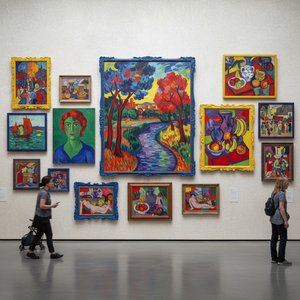
Otkrijte 10 remek dela fovizma – umetnosti boja i emocija! Istražite radove Matisa, Deraina i Vlamincka. Naučite o ekspresionizmu i modernoj umetnosti. Pronađite inspiraciju za svoj enterijer na Most-Famous-Paintings.com!

Explore the rich history of trees in painting! Discover symbolism, Romantic masterpieces by Caspar David Friedrich & beyond. A curated journey for art enthusiasts.

Otkrijte 10 remek-dela romantičnog pejzažnog slikarstva! Uronite u svet Claude Lorraina, Caspara David Friedricha i Turnera. Ispričane priče umetnosti, inspiracija za dekoraciju doma. Kvalitetne reprodukcije na Most-Famous-Paintings.com – istražite celu kolekciju online!


Budite u toku sa najnovijim vestima o umetnosti, ekskluzivnim ponudama i idejama za dekoraciju.
Recite nam o vašem projektu i naši stručnjaci za umetnost će vam pružiti 3 personalizovana predloga umetničkih dela.
Dozvolite nam da odaberemo 3 opcije specijalno za Vas - Besplatno!


 Pregledaj u prostoru
 Pošalji
 Podeli
 Detalji o delu

 Преузми
 Slični predmeti
 Rendgenski snimak
 Slajdovi
 Pročitaj više







 Opcija sa staklom dostupna je samo za dimenzije manje od 110 cm


