x

 Preview
 Naručite reprodukciju Kupi digitalnu sliku
 Pošalji
 Detalji o delu
 Dodaj u omiljene
 Преузми
 Slični predmeti
 Rendgenski snimak
 Slajdovi
Giclée štampa ili print na platnu muzejskog kvaliteta uz brzu proizvodnju i fleksibilne opcije završne obrade.
Izaberite jednu od naših unapred definisanih veličina koje odgovaraju originalnim proporcijama umetničkog dela.

Možete uneti sopstvene dimenzije kako biste umetničko delo prilagodili specifičnom okviru ili prostoru. Ako odabrani format ne odgovara proporcijama originalne slike, mi ćemo ili iscrtati deo dela ili proširiti sliku pomoću ogledane ivice ili jednobojnog popunjavanja. Digitalni prikaz će vam biti poslat na odobrenje pre početka proizvodnje.
Imajte na umu da pregled na ekranu ne odražava stvarno iscrtavanje ili proširivanje. Samo će prikaz (mockup) precizno pokazati finalnu kompoziciju.
Iako su prilagođene dimenzije dostupne, preporučujemo da odaberete dimenziju sa unapred definisane liste kako biste očuvali originalne proporcije.
Dostava širom sveta () za 2 nedelje umesto uobičajenih 4/5 nedelja. (26 јул)


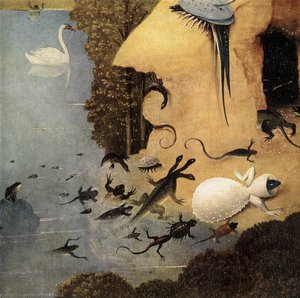
Cripples
Dimenzije reprodukcije
Hieronymus Bosch’s “Cripples” stands as a chilling testament to the anxieties of the Northern Renaissance, capturing not merely physical deformity but a profound psychological unease. Painted around 1500, this enigmatic triptych—a monumental work measuring approximately 31.4 × 21 cm (12.3 × 8.3 inches)—immediately confronts the viewer with an unsettling panorama of grotesque figures engaged in bizarre activities within a meticulously crafted architectural setting.
Bosch’s artistic genius resided in his ability to fuse religious allegory with fantastical imagery, creating scenes that simultaneously depict earthly suffering and foreshadow divine retribution. The composition is dominated by rows of crippled individuals—men, women, and children—each bearing visible signs of injury or disability. These figures are not merely presented as victims of misfortune; they embody a broader critique of human weakness and vulnerability in the face of God’s judgment.
The painting's remarkable detail is achieved through masterful draughtsmanship utilizing ink and pen on paper—a technique characteristic of Bosch’s workshop. Lines are employed with astonishing precision, establishing a grid-like structure that lends order to the chaotic scene while simultaneously emphasizing the contours of each figure. Crosshatching creates rich textures, conveying the roughness of clothing and skin, adding depth and visual interest.
Bosch's meticulous attention to detail extends beyond mere representation; it serves as a conduit for conveying emotion. The muted palette—primarily browns, ochres, and blacks—contributes to an atmosphere of gloom and despair. Light is diffused, lacking any dramatic highlights, reinforcing the painting’s solemn mood.
“Cripples” overflows with symbolic references rooted in medieval Christian thought. The crippled figures represent humanity's fallen state—burdened by sin and destined for eternal punishment. Their postures convey helplessness and despair, mirroring the theological concept of purgatory—a realm of purification where souls endure torment before entering heaven.
Furthermore, Bosch’s depiction of fantastical creatures—winged demons, grotesque animals—underscores the pervasive influence of folklore and superstition during his time. These elements serve as reminders that earthly existence is fraught with peril and that salvation requires unwavering faith. The painting's unsettling imagery continues to fascinate scholars and artists alike, prompting ongoing debate about its precise meaning and enduring legacy.
“Cripples” remains one of Bosch’s most arresting works—a haunting portrayal of human suffering and divine judgment that transcends its historical context. Its meticulous technique, combined with its profound symbolic content, secures its place as a cornerstone of Northern Renaissance art and a timeless exploration of the darker recesses of the human psyche.

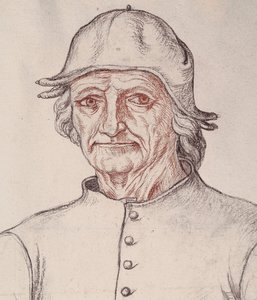
1450 - 1516 , Holandija

Journey through High Medieval Art! Explore 10 iconic masterpieces – from Giotto's frescoes to stunning Gothic cathedrals. Discover the stories behind these timeless paintings, sculptures & illuminated manuscripts. Find museum-quality art reproductions at Most-Famous-Paintings.com.

Explore the captivating world of Gerard David, a pivotal figure bridging late medieval artistry with the Early Renaissance. Discover his innovative techniques, religious masterpieces, and enduring legacy – a must-read for discerning art collectors.

Explore the profound religious art of Matthias Grünewald, master of the Isenheim Altarpiece. Discover his unique expressionism, symbolism & lasting impact on Renaissance painting. A guide for collectors and enthusiasts.

Otkrijte 10 remek dela Severne Renesanse koja su obeležila epohu! Jan van Eyck, Dürer i Bruegel – istražite priče iza ovih umetničkih majstorstava. Inspiracija za vaš dom i vrhunske reprodukcije na Most-Famous-Paintings.com!

Explore the rich history of religious painting with Most-Famous-Paintings.com! Discover iconic artworks, symbolism & techniques from antiquity to the Renaissance. Enhance your art appreciation today.


Budite u toku sa najnovijim vestima o umetnosti, ekskluzivnim ponudama i idejama za dekoraciju.
Recite nam o vašem projektu i naši stručnjaci za umetnost će vam pružiti 3 personalizovana predloga umetničkih dela.
Dozvolite nam da odaberemo 3 opcije specijalno za Vas - Besplatno!


 Podeli


 Pročitaj više




































 Opcija sa staklom dostupna je samo za dimenzije manje od 110 cm