x


 Naručite reprodukciju Kupi digitalnu sliku
 Pošalji
 Detalji o delu
 Dodaj u omiljene
 Преузми
 Slični predmeti
 Rendgenski snimak
 Slajdovi
Giclée štampa ili print na platnu muzejskog kvaliteta uz brzu proizvodnju i fleksibilne opcije završne obrade.





























Izaberite jednu od naših unapred definisanih veličina koje odgovaraju originalnim proporcijama umetničkog dela.

Možete uneti sopstvene dimenzije kako biste umetničko delo prilagodili specifičnom okviru ili prostoru. Ako odabrani format ne odgovara proporcijama originalne slike, mi ćemo ili iscrtati deo dela ili proširiti sliku pomoću ogledane ivice ili jednobojnog popunjavanja. Digitalni prikaz će vam biti poslat na odobrenje pre početka proizvodnje.
Imajte na umu da pregled na ekranu ne odražava stvarno iscrtavanje ili proširivanje. Samo će prikaz (mockup) precizno pokazati finalnu kompoziciju.
Iako su prilagođene dimenzije dostupne, preporučujemo da odaberete dimenziju sa unapred definisane liste kako biste očuvali originalne proporcije.
Dostava širom sveta () za 2 nedelje umesto uobičajenih 4/5 nedelja. (22 јул)


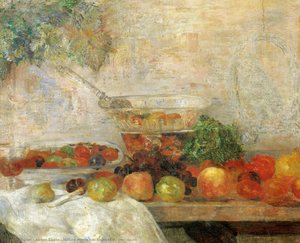
Les Peches
Dimenzije reprodukcije
James Ensor’s *Les Peches* (The Deadly Sins) is not merely a still life; it’s a profoundly unsettling exploration of human nature, rendered with the artist’s signature blend of meticulous observation and deeply personal symbolism. Painted around 1904, this work exemplifies Ensor's unique approach to depicting everyday objects – in this case, a collection of fruit – as vehicles for psychological and spiritual commentary. The composition immediately draws the viewer into a space of quiet unease, dominated by the dark palette and the subtly distorted forms that characterize much of Ensor’s oeuvre. The arrangement of the apples, oranges, and bananas, seemingly casually placed on the table, feels deliberately staged, hinting at a narrative beyond simple representation.
Ensor’s masterful use of color contributes significantly to the painting's emotional impact. The dominant tones are muted browns, greens, and blacks, creating a sense of gloom and decay. This somber palette is not accidental; it reflects Ensor’s preoccupation with themes of mortality, sin, and psychological distress. The fruit itself – particularly the slightly bruised apple – can be interpreted as a symbol of temptation and corruption, echoing the biblical reference to “the deadly sins.” The arrangement of the fruits isn't naturalistic; instead, they seem deliberately positioned to heighten the sense of unease and foreboding. Notice the subtle distortions in their forms, adding to the overall feeling of disquiet.
Ensor employed a meticulous technique, evident in the detailed rendering of each fruit and the careful construction of the composition. His brushwork is precise yet expressive, conveying both realism and emotional intensity. While influenced by Impressionism's focus on light and color, Ensor quickly moved beyond its limitations, developing his own intensely personal style. He was also deeply affected by the work of Gustave Moreau, another Symbolist painter known for his opulent and dreamlike imagery. However, unlike Moreau’s often fantastical scenes, Ensor’s work is grounded in a palpable sense of anxiety and psychological realism. The inclusion of vases and a potted plant adds to the overall composition, suggesting a domestic setting that feels strangely sterile and unsettling.
*Les Peches* stands as a pivotal work within James Ensor’s artistic trajectory. Created during a period of significant social and intellectual upheaval in Europe – marked by anxieties surrounding industrialization, urbanization, and the decline of traditional values – the painting reflects these concerns through its exploration of darker themes. Ensor's unflinching portrayal of human vulnerability and his willingness to confront uncomfortable truths cemented his reputation as one of the most important and influential artists of the Symbolist movement. His work continues to resonate with viewers today, offering a powerful meditation on the complexities of the human condition.

James Sidney Edouard, Baron Ensor (Ostend, 13 April 1860 – 19 November 1949) was a Belgian painter and printmaker who stands as one of the most influential figures in the development of Expressionism and Surrealism. Born into an English father and Belgian mother amidst the vibrant atmosphere of Ostend’s seaside resort town, Ensor’s upbringing instilled within him a profound fascination with observation and detail—a foundation upon which he would construct his distinctive artistic vision.
From a young age, Ensor demonstrated an exceptional talent for drawing and painting. Encouraged by his parents' operation of a souvenir shop brimming with curiosities and carnival masks – a veritable cabinet of wonders that ignited his imagination – he pursued formal artistic training at the Académie Royale des Beaux-Arts in Brussels. Despite encountering resistance from the rigid academic conventions of the time, Ensor quickly recognized the necessity of forging his own path, prioritizing experimentation and personal expression above all else.
Around 1886–87, Ensor embarked on a transformative artistic journey, rejecting Impressionistic ideals in favor of a bold embrace of grotesque imagery. Influenced by Rembrandt’s masterful use of chiaroscuro, the unsettling visions of Francisco Goya, and the evocative symbolism of Japanese woodcuts, he developed a highly personal iconography characterized by jarring juxtapositions of color and form.
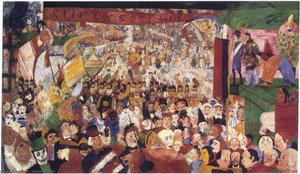
Ensor's oeuvre is marked by an unparalleled exploration of psychological complexity and social critique. Paintings like *The Oyster-eater* (1882) exemplify his meticulous attention to detail and his ability to convey profound emotional resonance, while *Christ’s Entry into Brussels* (1888–89), arguably his magnum opus, remains a monumental satire of religious hypocrisy—a painting initially met with vehement disapproval but now universally recognized as a cornerstone of Expressionist art.
James Ensor's uncompromising artistic vision profoundly impacted subsequent generations of artists. His rejection of academic formalism, coupled with his fearless confrontation of taboo subjects and his masterful manipulation of visual language—particularly the use of bold brushstrokes and vibrant hues—established him as a pivotal figure in the genesis of Expressionism and Surrealism. Today, Ensor’s work continues to inspire awe and provoke contemplation, serving as a timeless reminder that art possesses the capacity to unsettle conventions and illuminate the darkest recesses of human consciousness.

1860 - 1949 , Бележија

Uronite u svet 25 remek-dela Metropoliten muzeja! Otkrijte priče Van Goga, Monēa i drugih majstora. Reprodukcije slika vrhunskog kvaliteta za vaš dom. Inspiracija & dekoracija enterijera na Most-Famous-Paintings.com
Uronite u svet Katsushike Hokusaija! Otkrijte 25 remek-dela japanskog umetnika, uključujući čuveni 'Veliki talas'. Ukiyo-e štampe, pejzaži i istorija iza svakog dela. Pronađite inspiraciju za dekor enterijera i kupite reprodukcije slika vrhunskog kvaliteta na Most-Famous-Paintings.com.
Istražite 25 remek-dela Nacionalne galerije u Vašingtonu! Otkrijte priče iza Cezannea, Matissea i Picassa. Inspiracija za dekoraciju enterijera i vrhunske reprodukcije slika dostupne na Most-Famous-Paintings.com.
Uronite u svet Henri Matissea! Istražite 25 remek-dela Fauvizma i moderne umetnosti. Otkrijte priče iza slika, tehnike i inspiraciju slavnog francuskog slikara. Reprodukcije vrhunskog kvaliteta dostupne na Most-Famous-Paintings.com.
Istražite 25 remek-dela Džemsa Abota MekNila Whistler-a! Uronite u svet Tonalizma, portreta i prelepog pejzaža. Kupite vrhunske reprodukcije slika na Most-Famous-Paintings.com i obogatite svoj enterijer luksuznom umetnošću.


Budite u toku sa najnovijim vestima o umetnosti, ekskluzivnim ponudama i idejama za dekoraciju.
Recite nam o vašem projektu i naši stručnjaci za umetnost će vam pružiti 3 personalizovana predloga umetničkih dela.
Dozvolite nam da odaberemo 3 opcije specijalno za Vas - Besplatno!


 Podeli


 Pročitaj više







 Opcija sa staklom dostupna je samo za dimenzije manje od 110 cm