


x

 Ulje na platnuUmetnost za zidoveNorthern Renaissance
 1437Renesansa
 49.0 x 65.0 cm
 Städel Museum
Ručno oslikano uljanim bojama na platnu u dimenzijama i okviru po vašem izboru, izrađeno po porudžbini od strane naših umetnika. ( Kupi print Kupi digitalnu sliku)





























Izaberite jednu od naših unapred definisanih veličina koje odgovaraju originalnim proporcijama umetničkog dela.

Можете унети сопствене димензије како бисте прилагодили дело одређеном оквиру или простору. Ако одабрана величина не одговара пропорцијама оригинала, слика ће бити исечена или проширена додатним елементима који се ручно насликавају. Дигитални prikaz ће вам бити послат на одобрење пре почетка производње.
Имајте на уму да преглед на екрану не одражава стварно исецање или проширење. Само приказ (mockup) ће тачно приказати коначну композицију.
Иако су доступне прилагођене величине, препоручујемо да одаберете димензију из дефинисане листе како бисте сачували оригиналне пропорције.
Isporuka širom sveta () za 3/4 nedelje umesto uobičajenih 5 nedelja. (21 август). Bez kompromisa po pitanju kvaliteta.


Lucca Madonna
Dimenzije reprodukcije
Jan van Eyck's Lucca Madonna, painted in 1437, isn’t merely a depiction of the Virgin and Child; it’s an immersive experience, a meticulously crafted jewel box offering glimpses into the burgeoning world of Early Netherlandish art. More than six centuries after its creation, this small panel radiates with an almost unsettling intensity – a testament to van Eyck's revolutionary techniques and his profound understanding of symbolism. Housed within the Städel Museum in Frankfurt, it invites viewers to linger, to decipher the layers of meaning embedded within its serene yet complex composition.
The painting immediately captivates with its luminous quality, a hallmark of van Eyck’s pioneering use of oil paint. Unlike the tempera-based pigments favored by his predecessors, oil allowed for unprecedented detail and depth – each fold in Mary's crimson gown, each glint of light on the infant Christ’s face, is rendered with astonishing precision. This mastery isn’t simply technical; it’s a deliberate choice to draw the viewer into the scene, creating an illusion of tangible reality. The palette itself is restrained yet rich, dominated by deep reds and blues offset by earthy browns and golds, lending the image a sense of quiet dignity.
The composition is meticulously structured around the concept of divine authority. Mary isn’t simply seated; she occupies a throne – not one of earthly power, but a symbolic representation of Solomon's throne, adorned with twelve lion statues crafted from brass. This immediately elevates her status, connecting her to biblical precedent and reinforcing her role as Queen of Heaven. The placement of the figures within the room is equally deliberate. The narrow space, reminiscent of a small chapel, directs the viewer’s gaze towards Mary and Christ, creating a sense of intimacy and reverence.
Beyond these primary symbols, subtle details contribute to the painting’s richness. The window behind them, crafted from crown glass, reflects light and adds depth to the scene. A shelf holds a half-filled carafe, suggesting domestic tranquility alongside spiritual devotion. Even the floor tiles, patterned with geometric designs, speak to an ordered universe governed by divine principles.
The Lucca Madonna is more than just a beautiful painting; it’s a window into the intellectual and artistic landscape of the Early Northern Renaissance. Van Eyck's meticulous attention to detail, his innovative use of oil paint, and his profound understanding of symbolism reflect the era’s fascination with realism, religious devotion, and human potential. It stands as a testament to the burgeoning humanist ideals that were beginning to challenge medieval orthodoxies, while simultaneously reaffirming the importance of faith and tradition.
Considered alongside other works by Jan van Eyck, such as the Ghent Altarpiece and the Portrait of Giovanni Arnolfini, the Lucca Madonna offers a compelling glimpse into the artist’s evolving style and his mastery of technique. Its enduring appeal lies not only in its aesthetic beauty but also in its ability to evoke a sense of wonder and contemplation – a reminder of the power of art to transcend time and connect us to something larger than ourselves.
For those seeking a high-quality reproduction, Most-Famous-Paintings offers stunning reproductions of this masterpiece. To learn more about Jan van Eyck and his legacy, visit Most-Famous-Paintings’s page or explore the Northern Renaissance on Wikipedia: Wikipedia.

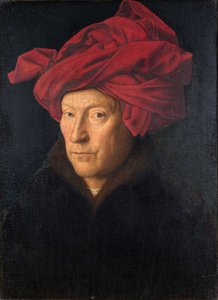
1390 - 1441 , Немачка

Journey into the world of Early Netherlandish painting! Explore 10 masterpieces by Jan van Eyck, Rogier van der Weyden & more. Discover stunning detail, symbolism & Renaissance art for your home decor. Find museum-quality reproductions on Most-Famous-Paintings.com

Explore the revolutionary art of Jan van Eyck! Discover his groundbreaking oil painting techniques, hidden symbolism, and lasting impact on the Early Netherlandish Renaissance. A deep dive for art enthusiasts.
Uronite u svet Rembrandta van Rijna! Otkrijte 25 najlepših dela holandskog majstora – portrete, istorijske scene i biblijska platna. Kvalitetne reprodukcije slika za dekoraciju enterijera dostupne na Most-Famous-Paintings.com.

Journey into the Early Netherlandish Renaissance! Explore 10 iconic paintings by Jan van Eyck, Rogier van der Weyden & more. Discover stunning detail, symbolism, and oil painting techniques. Find museum-quality art reproductions for your home at Most-Famous-Paintings.com.

Explore the Northern Renaissance! Discover Jan van Eyck's innovations, religious shifts, & key artists of this influential period. Expert analysis and insights into Early Netherlandish painting at Most-Famous-Paintings.


Budite u toku sa najnovijim vestima o umetnosti, ekskluzivnim ponudama i idejama za dekoraciju.
Recite nam o vašem projektu i naši stručnjaci za umetnost će vam pružiti 3 personalizovana predloga umetničkih dela.
Dozvolite nam da odaberemo 3 opcije specijalno za Vas - Besplatno!


 Pregledaj u prostoru
 Pošalji
 Podeli
 Detalji o delu

 Преузми
 Slični predmeti
 Rendgenski snimak
 Slajdovi
 Pročitaj više







 Opcija sa staklom dostupna je samo za dimenzije manje od 110 cm


