
Prodajte svoju umetnost
Lista želja Корпа за куповину Cart
Pregledaj u prostoruPregledaj u prostoru AR pregledAR pregled Kupi print Kupi printKupi ručno naslikanu sliku Kupi ručno naslikanu sliku PošaljiPošalji
Detalji o deluDetalji o delu Dodaj u omiljene Dodaj u omiljene ПреузмиПреузми Slični predmetiSlični predmeti Rendgenski snimakRendgenski snimak SlajdoviSlajdovi

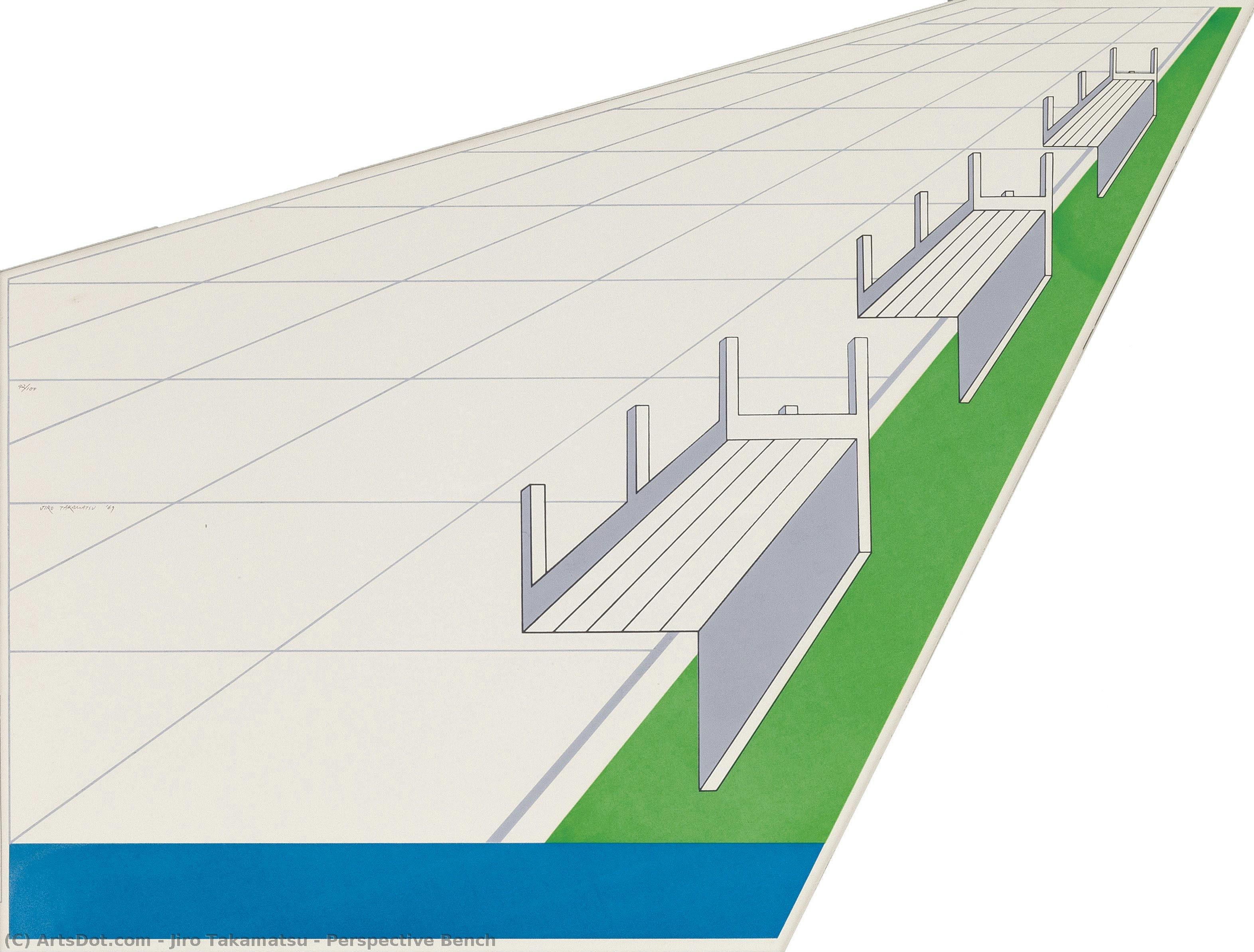
Perspective Bench

Explore Jiro Takamatsu’s ‘Perspective Bench,’ a striking geometric abstraction of a retaining wall. Digital rendering showcases precise lines & muted tones – minimalist, architectural, and captivating.

Explore Jiro Takamatsu's unique art: sculptural shadows, Tokyo cityscapes & Fluxus influence. Post-war Japanese artist known for volume & perspective.

Kupite digitalnu sliku visoke rezolucije i poboljšanog kvaliteta, koja je znatno superiornija od onoga što vidite u online prikazu.

Svaka datoteka je pedantno pripremljena od strane naših stručnjaka koristeći napredne alate i profesionalnu ručnu retušu. Osiguravamo da svaka slika ima izuzetnu oštrinu, preciznu reprodukciju boja i fine detalje.

Konačna datoteka se dostavlja putem e-pošte u roku od 72 sata, optimizovana za neposrednu upotrebu u profesionalnim, izdavačkim i štamparskim okruženjima. To je isti kvalitet kojem veruju vrhunski studiji dizajna, izdavači i galerije.

Digitalna slika

Preuzmite datoteku visoke rezolucije za ličnu upotrebu, štampanje i kreativne projekte. (Kupi print Kupi printKupi ručno naslikanu sliku Kupi ručno naslikanu sliku)

Ukupna cena

$ 24,90

Uključeno uz svaku porudžbinu digitalne slike

Profesionalna digitalna isporuka, zagarantovana

Kada odaberete Most-Famous-Paintings.com, ne dobijate samo sliku – vi primate profesionalno unapređeno digitalno umetničko delo, izrađeno sa najvećom preciznošću i uz garanciju zadovoljstva. Evo svega što automatski dolazi uz vašu porudžbinu:

shipping_icon
Brza dostava putem e-pošte

Vaša digitalna slika visoke rezolucije biće vam poslata putem e-pošte u roku od 72 sata od poručivanja – spremna za trenutnu upotrebu.

canvas_icon
Digitalna datoteka unapređena veštačkom inteligencijom

Vaše umetničko delo je profesionalno optimizovano korišćenjem naprednih AI alata i ručne obrade, čime se osiguravaju maksimalni detalji, oštrina i preciznost boja.

insurance_icon
Besplatna ponovna isporuka doživotno

Slučajno ste obrisali ili izgubili svoju datoteku? Ne brinite – poslaćemo vam je ponovo u bilo kom trenutku, potpuno besplatno.

tax_icon
Bez troškova uvoza – zauvek

Uživajte u svojim umetničkim delima trenutno, bez carine, dažbina ili troškova dostave – digitalni download je uvek bez poreza.

color_icon
Garancija vernosti boja

Uz pomoć profesionalnih alata i upravljanja bojama, osiguravamo da vaša digitalna slika što vernije odražava originalne boje.

return_icon
Garancija zadovoljstva u roku od 60 dana

Ako niste zadovoljni svojom digitalnom slikom, revidirat ćemo je ili vratiti 100% novca u roku od 60 dana – bez ikakvih pitanja.

guarantee_icon
100% garancija povrata novca

Niste zadovoljni? Obezbedite pun povrat novca u roku od 60 dana od trenutka kada ste primili svoju digitalnu datoteku – bez suvišnih pitanja.

discount_icon
Popusti na velike porudžbine

Kupite 3 slike, uštedite 10% - Kupite 5 slika, uštedite 15% - Kupite 10+ slika, uštedite 20%. Odlično za kreativne projekte, galerije i agencije.


Biografija umetnika

The Architecture of Absence

To encounter the work of Jiro Takamatsu is to enter a profound dialogue with the unseen. He was an artist who did not merely sculpt form, but rather sculpted the very air around it, capturing the ephemeral weight of shadows and the haunting silence of the void. Born in Tokyo in 1936, Takamatsu emerged as a pivotal figure in the postwar Japanese avant-garde, a master of the liminal space where light meets darkness. His practice was never about the mere accumulation of matter; instead, it was an investigation into the poetics of absence, a relentless pursuit to find the essence of reality within the smallest, most fundamental geometric components.

His early explorations were deeply rooted in the rigorous study of Western modernism, particularly the structural legacies of Cézanne. This intellectual foundation, cultivated at the Tokyo University of Fine Arts and Music, provided him with the tools to dissect form and volume. Yet, Takamatsu’s vision quickly transcended traditional painting. He sought to challenge the very mechanics of human cognition, using materials to create illusions that force the viewer to question their own perception. Through his hands, a simple line or a geometric shape became a gateway to understanding the Zero Dimension—a concept where an object is reduced to its most basic constituent elements, representing both the ultimate division and the profound emptiness of existence.

From Gutai Energy to Hi Red Center Interventions

The trajectory of Takamatsu’s career was marked by a radical departure from institutional boundaries. In his formative years, his association with the Gutai Art Association signaled a decisive break from conventional art practices. Alongside contemporaries like Natsuyuki Nakanishi, he embraced an ethos of direct engagement with materials and the rejection of traditional exhibition spaces. This period of intense experimentation laid the groundwork for his later, more conceptual endeavors, where the boundaries between art and life began to dissolve entirely.

In 1963, Takamatsu co-founded the legendary collective Hi Red Center with Genpei Akasegawa and Natsuyuki Nakanishi. This group became synonymous with audacious public interventions that disrupted the established hierarchies of the art world. Their actions were designed to provoke, to challenge the assumptions of the urban dweller, and to transform the mundane streets of Tokyo into a stage for conceptual performance. By bringing art out of the gallery and into the chaotic rhythm of the city, Takamatsu helped redefine the role of the artist as an agent of social and perceptual disruption.

The Mastery of Perspective and Shadow

Perhaps the most captivating aspect of Takamatsu’s legacy lies in his ability to manipulate perspective and distortion. He utilized photography, sculpture, and drawing to create works that act as optical puzzles. One might consider the following hallmarks of his technical brilliance:
  • Shadow Sculpture: The use of light to project three-dimensional forms onto surfaces, making the intangible shadow appear as a physical presence.
  • The Perspective Bench: A striking geometric abstraction that uses precise lines and muted tones to manipulate the viewer's sense of depth and architectural space.
  • Morphological Devices: The application of tautology and appropriation to investigate how we recognize and interpret objects in our environment.
Through these methods, Takamatsu achieved a state of perceptual tension. He would isolate the smallest particles of form to observe their fundamental nature, asserting that these tiny elements are what ultimately produce reality. His work remains a haunting reminder of the limits of human sight, inviting us to look past the surface and contemplate the beautiful, terrifying emptiness that lies beneath the skin of the visible world. His contribution to the movements of Minimalism and Fluxus continues to resonate, marking him as an artist who truly mastered the art of making nothingness felt.
jiro takamatsu

jiro takamatsu

1936 - 1998 , Japan

Kratke činjenice

  • Artistic Movement Or Style: Postwar Japanese Art; Conceptual Art; Mono-Ha
  • Artists Or Movements Influenced By This Artist: ['Conceptual Art']
  • Artists Who Influenced This Artist:
    • Paul Cézanne
    • Sesshū Tōyō
  • Date Of Birth: February 20, 1936
  • Date Of Death: June 25, 1998
  • Full Name: Jiro Takamatsu
  • Nationality: Japanese
  • Notable Artworks:
    • Perspective Bench
    • Young Woman Jumping From The Kiyomizu Temple Balcony With An Umbrella As A Parachute
  • Place Of Birth: Tokyo, Japan

