


x

 Oil On CanvasWallArtRomantic Landscape Painting
 181719th Century
 127.0 x 102.0 cm
 Yale Center for British Art
Ručno oslikano uljanim bojama na platnu u dimenzijama i okviru po vašem izboru, izrađeno po porudžbini od strane naših umetnika. ( Kupi print Kupi digitalnu sliku)





























Izaberite jednu od naših unapred definisanih veličina koje odgovaraju originalnim proporcijama umetničkog dela.

Можете унети сопствене димензије како бисте прилагодили дело одређеном оквиру или простору. Ако одабрана величина не одговара пропорцијама оригинала, слика ће бити исечена или проширена додатним елементима који се ручно насликавају. Дигитални prikaz ће вам бити послат на одобрење пре почетка производње.
Имајте на уму да преглед на екрану не одражава стварно исецање или проширење. Само приказ (mockup) ће тачно приказати коначну композицију.
Иако су доступне прилагођене величине, препоручујемо да одаберете димензију из дефинисане листе како бисте сачували оригиналне пропорције.
Isporuka širom sveta () za 3/4 nedelje umesto uobičajenih 5 nedelja. (23 август). Bez kompromisa po pitanju kvaliteta.


The Bard
Dimenzije reprodukcije
In the annals of Romanticism, few canvases command the eye with such visceral intensity as John Martin’s “The Bard.” Completed around 1817, this masterpiece serves as a profound window into the soul of an era obsessed with the sublime—that breathtaking intersection where beauty meets overwhelming terror. The painting does not merely depict a landscape; it orchestrates a cosmic drama. As the viewer’s gaze is drawn into the turbulent gorge, they are met with a world sculpted by elemental fury. Jagged cliffs and towering mountains loom like silent sentinels over a raging river that plunges into abyssal depths, creating a sense of vertigo that is both unsettling and deeply captivating. This is a landscape where the earth itself seems to tremble under the weight of divine or mythological significance.
At the heart of this tempestuous scene stands a solitary figure, a bard perched upon a rugged outcrop. Clad in the gravity of his role, he appears to be playing a stringed instrument—perhaps a harp—his music acting as a defiant melody against the roar of the cascading waters and the whistling winds. This figure serves as the emotional anchor of the composition, a tiny but resilient spark of human spirit amidst the vast, indifferent machinery of nature. The presence of distant, fortified structures clinging to the highest peaks suggests a lost age of heroism and myth, hinting at a world where the boundaries between the mortal and the divine are perilously thin.
Technically, Martin demonstrates his unparalleled command over the oil medium to achieve a sense of atmospheric depth that few of his contemporaries could replicate. His use of light is nothing short of theatrical; he employs dramatic chiaroscuro to pull the viewer’s eye through layers of mist, spray, and shadow. The color palette is a sophisticated study in contrasts, where the somber, earthy tones of the rocky terrain are pierced by the brilliant, ethereal whites of the churning foam and the shifting, turbulent clouds above. This interplay of light and dark does more than create three-dimensionality; it breathes life into the very air of the painting, making the atmosphere feel heavy with impending storm or divine revelation.
For the discerning collector or interior designer, "The Bard" offers an unparalleled opportunity to introduce a focal point of immense character. The scale of the composition—a commanding 127 x 102 cm—is designed to overwhelm and enchant. When rendered as a high-quality hand-painted reproduction, the meticulous details of Martin’s brushwork—from the minute figures of shepherds dwarfed by the landscape to the intricate textures of the weathered stone—are preserved, allowing the painting to command any room it inhabits. It is a piece that does not merely decorate a wall; it transforms an environment into a space of contemplation and awe.
To understand "The Bard," one must look to the literary inspiration that fueled Martin’s imagination: Thomas Gray’s haunting 1817 poem of the same name. Much like Gray’s verses, which explored themes of melancholy remembrance and the fading glory of heroic ideals, Martin’s painting captures a sense of epic loss and the inexorable passage of time. The work is steeped in the cultural zeitgeist of the early 19th century, reflecting a fascination with history, mythology, and the overwhelming power of natural forces. It is an era where the progress of man was often viewed through the lens of its fragility against the backdrop of eternity.
Ultimately, the enduring appeal of this work lies in its emotional resonance. Whether one is drawn to the melancholic beauty of the landscape or the heroic defiance of the bard, the painting evokes a profound sense of wonder. It invites the viewer to contemplate their own place within the vastness of the universe. For those seeking to curate a collection that speaks to the heights of human imagination and the dramatic power of the Romantic movement, "The Bard" remains an essential, timeless acquisition—a window into a world where every shadow tells a story and every light reveals a legend.

Džon Martin (1789–1854) bio je slavni engleski romantičarski slikar, gravir i ilustrator čije su dramatične kompozicije očaravale viktorijansku javnost. Rođen u Hejdon Bridžu, u Nortamberlendu, 19. jula 1789. godine, izrazio je uspon od skromnih početaka do statusa jednog od najpopularnijih umetnika svog vremena. Postao je poznat po svojim prostranim pejzažima ispunjenim sitnim figurama, koji prikazuju biblijske scene i fantastične narative sa moćnim osećajem razmere i dubokih emocija.
Martinov rani život obeležili su praktični poslovi. Bio je šegrt kočaraškog majstora u Njukastlu na Tajnu, gde je učio heraldičko slikarstvo – veštinu koja će kasnije odrediti njegovu pedantnu pažnju posvećenu detaljima. Godine 1806. preselio se u London, gde se oženio sa devetnaest godina i sam sebe izdržavao časovima crtanja i radovima na akvarelima, kao i dekorativnim radovima na porcelanu i staklu. Ovaj period je izbrusio njegove tehničke veštine, omogućavajući mu istovremeno da istražuje različite umetničke medije. Njegova rana dela pokazuju rastuće interesovanje za dramatično osvetljenje i kompoziciju, što je nagoveštavalo njegov kasniji prepoznatljiv stil.
Prepoznatljiv Martinov stil karakterišu veličanstvena razmera, melodramatični intenzitet i pedantni detalji. Često je prikazivao biblijske teme, kao što su Uništenje Sodoma i Gomora i
, sa teatralnim senzibilitetom koji je duboko odjekivao kod publike. Njegovi pejzaži, poput dela Crkva Harnam, blizu Salizburija, pokazali su njegovu sposobnost da uhvati mirne seoske prizore uz zadržavanje osećaja veličanstvenosti. Ključna dela koja svedoče o njegovoj umetničkoj virtuoznosti uključuju:Džon Martin je tokom svog veka postigao značajno priznanje. Valter Sikert ga je 1821. godine nazvao „najpopularnijim slikarom svog vremena“, a primio je i zlatnu medalju od ruskog cara Nikole I. Dobitnik je reda Leopolda od kneza Leopolda Saksovokamburškog i Gote, postajući zvanični istorijski slikar kneza Leopolda. Njegova dela su izlagana u Nacionalnoj galeriji i Tate galeriji, čime je učvrstio svoje mesto u britanskom umetničkom etablismanu.
Uprkos periodu relativne zaboravljenosti nakon njegove smrti 17. februara 1854. godine, Martinovo delo je doživelo preporod u apreciji. Danas se njegova slika prepoznaju po jedinstvenom spoju romantične drame, pedantnog detalja i maštovitog dometa. Njegov uticaj se može videti u radovima kasnijih umetnika, uključujući Džejmsa Francisa Danbija, kojeg su inspirisali Martinovi dramatični pejzaži. Džon Martin ostaje važna figura u istoriji britanske umetnosti, slavljen zbog svoje sposobnosti da gledaoce prenese u epske svetove ispunjene i zastrašujućom lepotom i užasnom moći.

1789 - 1854 , Ujedinjeno Kraljevstvo
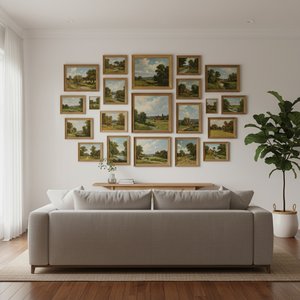
Uronite u svet Džona Konstebla! Otkrijte 25 remek-dela engleskog pejzaža, romantizma i seoske idile. Kupite reprodukcije slika vrhunskog kvaliteta za dekoraciju enterijera na Most-Famous-Paintings.com.

Otkrijte 10 remek-dela romantičnog pejzažnog slikarstva! Uronite u svet Claude Lorraina, Caspara David Friedricha i Turnera. Ispričane priče umetnosti, inspiracija za dekoraciju doma. Kvalitetne reprodukcije na Most-Famous-Paintings.com – istražite celu kolekciju online!

Uronite u svet Džona Singera Sargenta! Otkrijte 25 remek-dela impresionizma i realizma, od portreta Madame X do fascinantnih akvarela. Inspiracija za dekoraciju enterijera & luksuzne reprodukcije slika na Most-Famous-Paintings.com.

Explore the emotional power of Romantic landscape painting! Discover the sublime & picturesque traditions, key artists like Friedrich & Cole, and find your perfect artwork at Most-Famous-Paintings.

Explore the serene landscapes of John Varley I, a key figure in British Romanticism. Discover his unique watercolour style, collaboration with William Blake & lasting artistic legacy. Learn about collecting Varley's work.


Budite u toku sa najnovijim vestima o umetnosti, ekskluzivnim ponudama i idejama za dekoraciju.
Recite nam o vašem projektu i naši stručnjaci za umetnost će vam pružiti 3 personalizovana predloga umetničkih dela.
Dozvolite nam da odaberemo 3 opcije specijalno za Vas - Besplatno!


 Pregledaj u prostoru
 Pošalji
 Podeli
 Detalji o delu

 Преузми
 Slični predmeti
 Rendgenski snimak
 Slajdovi
 Pročitaj više







 Opcija sa staklom dostupna je samo za dimenzije manje od 110 cm


