


x

 Oil On CanvasWallArtBaroque
 1789
1789 70.0 x 60.0 cm
 National Gallery of Scotland
Giclée štampa ili print na platnu muzejskog kvaliteta uz brzu proizvodnju i fleksibilne opcije završne obrade. ( Kupi ručno naslikanu sliku Kupi digitalnu sliku)





























Izaberite jednu od naših unapred definisanih veličina koje odgovaraju originalnim proporcijama umetničkog dela.

Možete uneti sopstvene dimenzije kako biste umetničko delo prilagodili specifičnom okviru ili prostoru. Ako odabrani format ne odgovara proporcijama originalne slike, mi ćemo ili iscrtati deo dela ili proširiti sliku pomoću ogledane ivice ili jednobojnog popunjavanja. Digitalni prikaz će vam biti poslat na odobrenje pre početka proizvodnje.
Imajte na umu da pregled na ekranu ne odražava stvarno iscrtavanje ili proširivanje. Samo će prikaz (mockup) precizno pokazati finalnu kompoziciju.
Iako su prilagođene dimenzije dostupne, preporučujemo da odaberete dimenziju sa unapred definisane liste kako biste očuvali originalne proporcije.
Dostava širom sveta () za 2 nedelje umesto uobičajenih 4/5 nedelja. (22 август)


Self-Portrait
Dimenzije reprodukcije
John Opie's 1789 “Self-Portrait” isn’t merely a likeness; it’s a carefully constructed window into the soul of a burgeoning artistic talent. Painted in oil on canvas, this oval composition immediately commands attention with its dramatic chiaroscuro – a masterful manipulation of light and shadow that plunges the viewer into an atmosphere of profound introspection. The portrait depicts Opie himself, not as a triumphant figure, but as a contemplative man, his gaze fixed directly upon the observer, inviting us to share in his thoughts and emotions. The choice of this particular pose—a slight turn of the head, a subtle furrowing of the brow—suggests a mind wrestling with ideas, a quiet intensity that belies the young artist’s burgeoning fame.
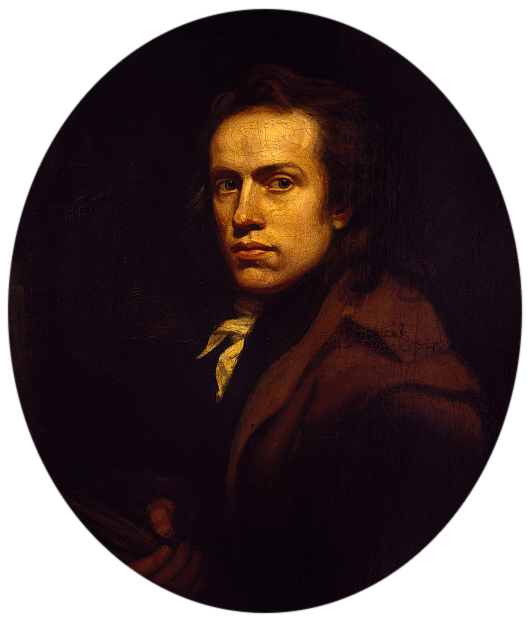
Opie’s style is deeply rooted in the Baroque tradition, a movement known for its theatricality, emotional intensity, and dramatic use of light. The influence of Caravaggio and Rembrandt—artists who were masters of chiaroscuro—is readily apparent in Opie's work. The stark contrast between the illuminated areas of the face and clothing and the deep shadows that envelop the background creates a sense of depth and volume, drawing our attention to the central figure. This technique wasn’t simply aesthetic; it was a deliberate choice to convey a powerful emotional state – here, a blend of seriousness, intelligence, and perhaps even melancholy. Born in Trevellas, Cornwall, Opie's artistic sensibility was profoundly shaped by his Cornish heritage, evident in the ruggedness of his features and the earthy tones that dominate the palette.
Beyond the dramatic lighting, a closer examination reveals Opie’s meticulous attention to detail. The artist skillfully employs lines to define the contours of the face, clothing, and hair, creating a sense of solidity and form. The layering of paint—a technique known as impasto—adds texture to the surface, particularly in the rendering of the fabric draped over his shoulders and the delicate details of his hands. Note the subtle variations in color and tone that suggest the play of light on different surfaces. This careful observation and execution demonstrate Opie’s commitment to realism, a hallmark of his style.
The portrait transcends a simple likeness; it's a symbolic representation of the artist’s inner world. The direct gaze invites engagement, suggesting that Opie is not simply presenting himself but offering an invitation to share in his thoughts. The serious expression—a hallmark of many self-portraits from this period—hints at intelligence, introspection, and perhaps even a touch of melancholy. Considering the historical context – the late 18th century was a time of intellectual ferment and social change – Opie’s portrait can be interpreted as an exploration of identity in a rapidly evolving world. The choice to depict himself alone reinforces this sense of internal reflection, suggesting that the artist is grappling with profound questions about his place in society and his role as a creative force.


1761 - 1807 , United Kingdom

Explore the profound beauty of oil on canvas. Discover how impasto textures, masterful brushwork, and light create unparalleled depth in fine art reproductions and custom commissions for discerning collectors.

Explore the dramatic power of Baroque art through an expert guide to light, shadow, and emotion. Discover how the Counter-Reformation shaped 17th-century masterpieces and learn about the profound techniques used by the Old Masters to inspire awe.

Explore the profound elegance of Baroque Classicism. Discover how 17th-century masters synthesized dramatic emotion with classical order through the lens of the Counter-Reformation and the works of legends like Carlo Maratta and Andrea Sacchi.


Budite u toku sa najnovijim vestima o umetnosti, ekskluzivnim ponudama i idejama za dekoraciju.
Recite nam o vašem projektu i naši stručnjaci za umetnost će vam pružiti 3 personalizovana predloga umetničkih dela.
Dozvolite nam da odaberemo 3 opcije specijalno za Vas - Besplatno!


 Pregledaj u prostoru
 Pošalji
 Podeli
 Detalji o delu

 Преузми
 Slični predmeti
 Rendgenski snimak
 Slajdovi
 Pročitaj više







 Opcija sa staklom dostupna je samo za dimenzije manje od 110 cm


