


x

Giclée štampa ili print na platnu muzejskog kvaliteta uz brzu proizvodnju i fleksibilne opcije završne obrade. ( Kupi ručno naslikanu sliku Kupi digitalnu sliku)





























Izaberite jednu od naših unapred definisanih veličina koje odgovaraju originalnim proporcijama umetničkog dela.

Možete uneti sopstvene dimenzije kako biste umetničko delo prilagodili specifičnom okviru ili prostoru. Ako odabrani format ne odgovara proporcijama originalne slike, mi ćemo ili iscrtati deo dela ili proširiti sliku pomoću ogledane ivice ili jednobojnog popunjavanja. Digitalni prikaz će vam biti poslat na odobrenje pre početka proizvodnje.
Imajte na umu da pregled na ekranu ne odražava stvarno iscrtavanje ili proširivanje. Samo će prikaz (mockup) precizno pokazati finalnu kompoziciju.
Iako su prilagođene dimenzije dostupne, preporučujemo da odaberete dimenziju sa unapred definisane liste kako biste očuvali originalne proporcije.
Dostava širom sveta () za 2 nedelje umesto uobičajenih 4/5 nedelja. (23 август)


Plowman
Dimenzije reprodukcije
Kazimir Malevich's 1911 painting, "Plowman," isn’t merely a depiction of agricultural labor; it’s a profound distillation of the Russian countryside rendered through the nascent language of abstract art. Born in Kyiv Oblast, Ukraine, in 1879, Malevich’s early life was deeply rooted in the traditions and rhythms of rural Ukrainian existence – a connection that would profoundly shape his artistic trajectory. This work, created during a pivotal period of experimentation within his oeuvre, represents a fascinating intersection between representational elements and the burgeoning principles of Suprematism, the movement he would later pioneer. “Plowman” stands as a testament to Malevich’s ability to capture not just a scene, but an essence – a quiet dignity and inherent connection to the land that resonated deeply with him.
The painting immediately commands attention through its stark simplicity. Rendered almost entirely in shades of gray, ranging from deep charcoal blacks to delicate whites, “Plowman” eschews the vibrant hues of Impressionism and Symbolism that characterized much of Malevich’s earlier work. Instead, he employs a masterful manipulation of line – hatching, cross-hatching, and bold, decisive strokes – to build form and texture. The plow itself is constructed with dense, layered lines, conveying its weight and solidity. Similarly, the horse's musculature is suggested through carefully placed parallel strokes, creating an illusion of volume and movement without resorting to traditional shading. The landscape—a simplified field—is delineated by sweeping horizontal lines, lending a sense of vastness and openness. This deliberate restraint in color forces the viewer to engage with the painting on a purely visual level, focusing on the interplay of line and shadow.
While stripped of overt symbolism, “Plowman” is rich with cultural significance. The figure of the plowman—a ubiquitous symbol across Eastern European cultures—represents not just labor but also tradition, resilience, and a deep connection to the earth. Malevich’s choice to depict him in a relatively static pose suggests a quiet determination, an embodiment of steadfastness against the backdrop of nature's cycles. The horse, integral to this ancient practice, further reinforces this theme – a partnership forged over centuries between human and animal, both bound to the rhythms of the land. The painting subtly evokes the timeless cycle of planting, harvesting, and renewal, reflecting a worldview deeply intertwined with agricultural life.
“Plowman” occupies a crucial position in Malevich’s artistic development. Created during his period of experimentation, it demonstrates a shift away from purely representational forms towards the more abstract principles he would later articulate. The simplified shapes and flattened perspective—a hallmark of Suprematism—begin to emerge, foreshadowing his groundbreaking 1915 painting, “Black Square.” Despite its nascent abstraction, however, "Plowman" retains traces of its origins in earlier styles, particularly in the meticulous rendering of the plow and horse. It’s a transitional work, a bridge between the artist's past explorations and his revolutionary future vision – a moment where tradition meets innovation.
Ultimately, “Plowman” is more than just a depiction of rural life; it’s an evocation of a fundamental human connection to the land. The painting's muted palette, combined with its carefully constructed forms, creates a sense of quiet contemplation—a feeling of stillness and resilience. Malevich’s masterful use of line not only defines the subject matter but also imbues the work with a subtle emotional depth. “Plowman” continues to resonate today as a powerful example of how art can capture both the tangible realities of everyday life and the intangible essence of human experience, cementing Malevich's place as a pivotal figure in the history of modern art.

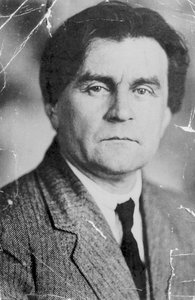
1878 - 1935 , Украјина

Explore the radical world of Suprematism. Discover how Kazimir Malevich revolutionized modern art through pure geometric abstraction, non-objective form, and the supremacy of feeling. An essential guide for art students and collectors seeking deep historical context.


Budite u toku sa najnovijim vestima o umetnosti, ekskluzivnim ponudama i idejama za dekoraciju.
Recite nam o vašem projektu i naši stručnjaci za umetnost će vam pružiti 3 personalizovana predloga umetničkih dela.
Dozvolite nam da odaberemo 3 opcije specijalno za Vas - Besplatno!


 Pregledaj u prostoru
 Pošalji
 Podeli
 Detalji o delu

 Преузми
 Slični predmeti
 Rendgenski snimak
 Slajdovi

 Pročitaj više







 Opcija sa staklom dostupna je samo za dimenzije manje od 110 cm


