x

 LithographNaive Art / Primitivism
 1968Modern
 41.0 x 35.0 cm
Giclée štampa ili print na platnu muzejskog kvaliteta uz brzu proizvodnju i fleksibilne opcije završne obrade. ( Kupi ručno naslikanu sliku Kupi digitalnu sliku)





























Izaberite jednu od naših unapred definisanih veličina koje odgovaraju originalnim proporcijama umetničkog dela.

Možete uneti sopstvene dimenzije kako biste umetničko delo prilagodili specifičnom okviru ili prostoru. Ako odabrani format ne odgovara proporcijama originalne slike, mi ćemo ili iscrtati deo dela ili proširiti sliku pomoću ogledane ivice ili jednobojnog popunjavanja. Digitalni prikaz će vam biti poslat na odobrenje pre početka proizvodnje.
Imajte na umu da pregled na ekranu ne odražava stvarno iscrtavanje ili proširivanje. Samo će prikaz (mockup) precizno pokazati finalnu kompoziciju.
Iako su prilagođene dimenzije dostupne, preporučujemo da odaberete dimenziju sa unapred definisane liste kako biste očuvali originalne proporcije.
Dostava širom sveta () za 2 nedelje umesto uobičajenih 4/5 nedelja. (18 август)


Arlequins playing
Dimenzije reprodukcije
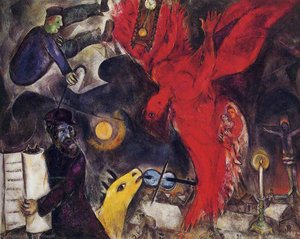
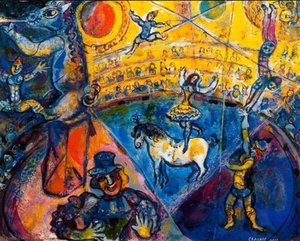
Marc Chagall's "Arlequins playing," created in 1968, isn’t merely a depiction of figures on horseback; it’s an invitation to step inside the artist’s extraordinarily vivid imagination. Executed as a lithograph – a technique favored by Chagall for its ability to capture subtle tonal variations and reproduce images with remarkable clarity – this artwork embodies the very essence of Naïve Art, or Primitivism.
This style, born from the rejection of formal academic training, prioritizes direct observation and emotional expression over meticulous realism. Artists like Chagall who embrace Primitivism distill their experiences into simplified forms, vibrant colors, and dreamlike narratives that transcend literal representation. It’s a deliberate departure from convention, seeking instead to tap into primal instincts and convey profound spiritual truths.
The painting's visual impact is immediately arresting. At 41 x 35 cm, “Arlequins playing” presents a dynamic scene populated by at least nine individuals – a man confidently riding a horse amidst this lively tableau. Scattered around him are seated figures and those who wander about, creating an atmosphere of movement and interconnectedness. Notably, a clock dominates the upper left corner, serving as a poignant reminder of time’s passage against the backdrop of fantastical imagery.
Chagall skillfully employs lithography to achieve his artistic vision. This printing process involves transferring ink from a stone onto paper through pressure, resulting in prints that possess exceptional detail and tonal accuracy. The artist's masterful use of color – predominantly blues, yellows, and reds – contributes significantly to the painting’s emotive power. These hues aren’t merely decorative; they are imbued with symbolic meaning rooted in Chagall’s Jewish heritage and his fascination with folklore.
Beyond its visual splendor, “Arlequins playing” resonates with layers of symbolism. Objects like a bowl positioned near the bottom right corner, a vase adorning the top right area, and two books resting on the ground enrich the narrative, hinting at themes of memory, contemplation, and perhaps even biblical allusion. Chagall’s artistic journey began in Vitebsk, Belarus—a town steeped in cultural traditions that profoundly influenced his aesthetic sensibilities.
His early years were marked by hardship and displacement during periods of political upheaval, experiences which undoubtedly shaped his worldview. Yet, despite these challenges, Chagall remained steadfastly committed to exploring the realm of dreams and imagination – a commitment that defines his enduring legacy as one of the most celebrated artists of the 20th century.
"Arlequins playing" stands as a testament to Chagall’s ability to transform personal experience into universal emotion. It's an artwork that invites contemplation and encourages viewers to consider the complexities of human existence, rendered with breathtaking beauty and imbued with the spirit of Primitivism—a style that continues to inspire artists and collectors alike.

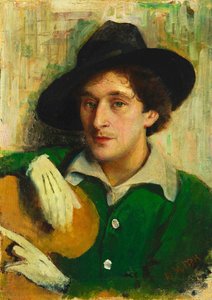
1887 - 1985 , Belorusija

Explore the profound history and technical mastery of woodcut relief printing. From ancient origins to German Expressionism, discover how artists use the subtractive process to create iconic works. A definitive guide for art students, collectors, and historians.

Discover the technical mastery behind Most-Famous-Paintings.com's premium Giclée canvas prints. Our guide for elite collectors explores archival pigment inks, museum-grade substrates, and the science of high-fidelity reproduction to ensure lasting beauty and historical accuracy.


Budite u toku sa najnovijim vestima o umetnosti, ekskluzivnim ponudama i idejama za dekoraciju.
Recite nam o vašem projektu i naši stručnjaci za umetnost će vam pružiti 3 personalizovana predloga umetničkih dela.
Dozvolite nam da odaberemo 3 opcije specijalno za Vas - Besplatno!


 Pregledaj u prostoru
 Pošalji
 Podeli
 Detalji o delu

 Преузми
 Slični predmeti
 Rendgenski snimak
 Slajdovi
 Pročitaj više







 Opcija sa staklom dostupna je samo za dimenzije manje od 110 cm