x

 LithographWallArtNaive Art
 1960Modern
 57.0 x 38.0 cm
Ručno oslikano uljanim bojama na platnu u dimenzijama i okviru po vašem izboru, izrađeno po porudžbini od strane naših umetnika. ( Kupi print Kupi digitalnu sliku)





























Izaberite jednu od naših unapred definisanih veličina koje odgovaraju originalnim proporcijama umetničkog dela.

Можете унети сопствене димензије како бисте прилагодили дело одређеном оквиру или простору. Ако одабрана величина не одговара пропорцијама оригинала, слика ће бити исечена или проширена додатним елементима који се ручно насликавају. Дигитални prikaz ће вам бити послат на одобрење пре почетка производње.
Имајте на уму да преглед на екрану не одражава стварно исецање или проширење. Само приказ (mockup) ће тачно приказати коначну композицију.
Иако су доступне прилагођене величине, препоручујемо да одаберете димензију из дефинисане листе како бисте сачували оригиналне пропорције.
Isporuka širom sveta () za 3/4 nedelje umesto uobičajenih 5 nedelja. (19 август). Bez kompromisa po pitanju kvaliteta.


Crucifixion
Dimenzije reprodukcije
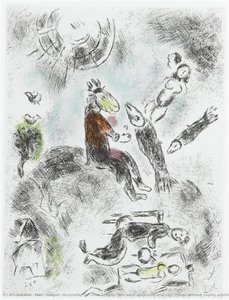
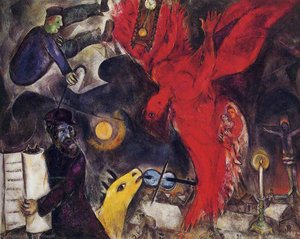
Marc Chagall's “Crucifixion,” painted in 1964, isn’t merely a depiction of a biblical scene; it’s an immersive experience—a vibrant collision of memory, faith, and the artist’s deeply personal vision. Executed as a lithograph on paper, this work transcends its medium, radiating with an almost palpable energy that draws the viewer into the heart of the drama. Chagall, a master of distilling profound emotion from simple forms, eschews photographic realism in favor of a powerfully symbolic language rooted in his Jewish heritage and the folklore of his childhood in Vitebsk, Belarus. The painting immediately arrests the eye with its bold colors—a striking contrast of deep blues and reds against a luminous white background—and its dynamic composition, where figures reach upwards towards an unseen divine presence.
To understand “Crucifixion,” it’s crucial to delve into Chagall's formative years in Vitebsk. The town, a melting pot of Russian Orthodox and Jewish cultures, profoundly shaped his artistic sensibility. He frequently depicted its landscapes—rolling fields, winding rivers, and the distinctive architecture—as symbols of memory and belonging. This painting is no exception; elements reminiscent of Vitebsk subtly permeate the composition, hinting at a deeper connection to Chagall’s past. The figures reaching upwards, for instance, recall the traditional Jewish custom of raising arms in prayer, while the ladder-like structure suggests a pathway towards spiritual ascension.
Symbolism:“Crucifixion” isn’t simply a religious painting; it's a meditation on suffering, hope, and the enduring power of faith. Chagall, who himself experienced profound loss and displacement throughout his life—including exile during World War II—infused this work with an intensely personal resonance. The painting speaks to universal themes of sacrifice, redemption, and the human condition, inviting viewers to contemplate their own beliefs and experiences. It’s a testament to Chagall's ability to transform deeply felt emotions into art that transcends time and culture. Its enduring appeal lies in its capacity to evoke both sorrow and serenity, reminding us of the complexities of faith and the beauty found within moments of profound human experience.
High-quality reproductions of “Crucifixion” are readily available through various art dealers and online platforms. For a deeper understanding of Chagall’s life and work, we recommend exploring the resources listed below:

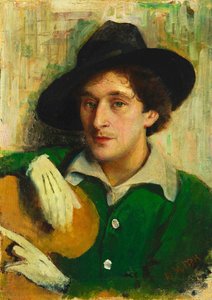
1887 - 1985 , Belorusija

Explore the profound history of Surrealist Expressionism. Discover how artists blended dream logic with raw emotion to navigate post-war trauma through masterful, evocative imagery and psychological depth.

Explore the profound artistry of black and white photography. From the chemistry of gelatin silver to the chiaroscuro of the Old Masters, discover how monochrome captures the eternal essence of light, form, and emotion for the discerning art collector.


Budite u toku sa najnovijim vestima o umetnosti, ekskluzivnim ponudama i idejama za dekoraciju.
Recite nam o vašem projektu i naši stručnjaci za umetnost će vam pružiti 3 personalizovana predloga umetničkih dela.
Dozvolite nam da odaberemo 3 opcije specijalno za Vas - Besplatno!


 Pregledaj u prostoru
 Pošalji
 Podeli
 Detalji o delu

 Преузми
 Slični predmeti
 Rendgenski snimak
 Slajdovi
 Pročitaj više







 Opcija sa staklom dostupna je samo za dimenzije manje od 110 cm