x

 Naručite reprodukciju Kupi digitalnu sliku
 Pošalji
 Detalji o delu
 Dodaj u omiljene
 Преузми
 Slični predmeti
 Rendgenski snimak
 Slajdovi
 Oil On CanvasWallArtFauvism
 1911Modern
 91.0 x 65.0 cm
Giclée štampa ili print na platnu muzejskog kvaliteta uz brzu proizvodnju i fleksibilne opcije završne obrade.





























Izaberite jednu od naših unapred definisanih veličina koje odgovaraju originalnim proporcijama umetničkog dela.

Možete uneti sopstvene dimenzije kako biste umetničko delo prilagodili specifičnom okviru ili prostoru. Ako odabrani format ne odgovara proporcijama originalne slike, mi ćemo ili iscrtati deo dela ili proširiti sliku pomoću ogledane ivice ili jednobojnog popunjavanja. Digitalni prikaz će vam biti poslat na odobrenje pre početka proizvodnje.
Imajte na umu da pregled na ekranu ne odražava stvarno iscrtavanje ili proširivanje. Samo će prikaz (mockup) precizno pokazati finalnu kompoziciju.
Iako su prilagođene dimenzije dostupne, preporučujemo da odaberete dimenziju sa unapred definisane liste kako biste očuvali originalne proporcije.
Dostava širom sveta () za 2 nedelje umesto uobičajenih 4/5 nedelja. (22 јул)


Baptism
Dimenzije reprodukcije
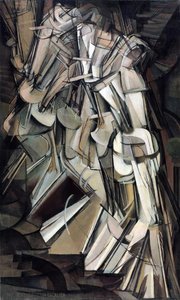
Marcel Duchamp (1887–1968) stands as one of the most influential figures in 20th-century art history, forever altering perceptions of creativity and artistic expression. His journey began in Blainville-Crevon, Normandy, France, where he absorbed the artistic spirit fostered by his family—a tradition that included painters and engravers—and nurtured a boundless imagination.
Initially drawn to Cubism, Duchamp’s early explorations mirrored the stylistic currents of his time. Works like Portrait of Chess Players (1911) demonstrate an acute understanding of fragmented forms and multiple perspectives, reflecting the intellectual fervor of the era. However, he swiftly transcended purely aesthetic considerations, embracing Dadaism and ultimately establishing Conceptual Art as a transformative force.
“Baptism,” created in 1911, exemplifies this multifaceted approach. Painted in oil on canvas and adhering to Fauvist principles—characterized by bold colors and energetic brushstrokes—the artwork transcends mere depiction; it invites contemplation about its symbolic significance.
The composition centers around two women positioned prominently in the foreground, with one seated and the other standing behind her. The subtle gesture of the standing woman—pointing towards something unseen—suggests a dynamic interplay between figures and adds to the overall sense of social interaction. Scattered throughout the background are additional individuals, contributing to an atmosphere of communal celebration.
Beyond its aesthetic vibrancy, “Baptism” reveals Proto-Cubist influences. This transitional phase witnessed artists experimenting with geometric forms and reduced color palettes—a precursor to Cubism’s radical simplification—demonstrating Duchamp's willingness to push artistic boundaries. The painting serves as a bridge between Impressionistic idealism and the geometric precision of Cubism, cementing its place in art history.
“Baptism” continues to resonate with audiences today due to its audacious use of color and form. Its impact extends beyond Duchamp’s oeuvre, influencing subsequent movements like Surrealism and shaping artistic discourse for decades to come. This Fauvist masterpiece stands as a testament to Duchamp's unwavering commitment to innovation—a beacon of creativity that inspires ongoing dialogue about art’s role in society.
The artwork measures 91 x 65 cm and was executed in 1911.
Marcel Duchamp (1887-1968): French-American artist—Cubism, Dada & Conceptual Art pioneer. Revolutionized art with ‘readymades’ like Fountain.


1887 - 1968 , Francuska
Uronite u svet Henri Matissea! Istražite 25 remek-dela Fauvizma i moderne umetnosti. Otkrijte priče iza slika, tehnike i inspiraciju slavnog francuskog slikara. Reprodukcije vrhunskog kvaliteta dostupne na Most-Famous-Paintings.com.

Uronite u svet 25 remek-dela Metropoliten muzeja! Otkrijte priče Van Goga, Monēa i drugih majstora. Reprodukcije slika vrhunskog kvaliteta za vaš dom. Inspiracija & dekoracija enterijera na Most-Famous-Paintings.com
Istražite 25 remek-dela Nacionalne galerije u Vašingtonu! Otkrijte priče iza Cezannea, Matissea i Picassa. Inspiracija za dekoraciju enterijera i vrhunske reprodukcije slika dostupne na Most-Famous-Paintings.com.

Istražite 25 remek-dela Džemsa Abota MekNila Whistler-a! Uronite u svet Tonalizma, portreta i prelepog pejzaža. Kupite vrhunske reprodukcije slika na Most-Famous-Paintings.com i obogatite svoj enterijer luksuznom umetnošću.
Istražite 25 remek-dela Georges Braquea, pionira kubizma. Otkrijte priče iza slika, tehnike i inspiraciju za dizajn enterijera. Reprodukcije vrhunskog kvaliteta dostupne na Most-Famous-Paintings.com! Pronađite savršeno umetničko delo online.


Budite u toku sa najnovijim vestima o umetnosti, ekskluzivnim ponudama i idejama za dekoraciju.
Recite nam o vašem projektu i naši stručnjaci za umetnost će vam pružiti 3 personalizovana predloga umetničkih dela.
Dozvolite nam da odaberemo 3 opcije specijalno za Vas - Besplatno!


 Podeli

 Pročitaj više







 Opcija sa staklom dostupna je samo za dimenzije manje od 110 cm