x

 Naručite reprodukciju Kupi digitalnu sliku
 Pošalji
 Detalji o delu
 Dodaj u omiljene
 Преузми
 Slični predmeti
 Rendgenski snimak
 Slajdovi
Giclée štampa ili print na platnu muzejskog kvaliteta uz brzu proizvodnju i fleksibilne opcije završne obrade.





























Izaberite jednu od naših unapred definisanih veličina koje odgovaraju originalnim proporcijama umetničkog dela.

Možete uneti sopstvene dimenzije kako biste umetničko delo prilagodili specifičnom okviru ili prostoru. Ako odabrani format ne odgovara proporcijama originalne slike, mi ćemo ili iscrtati deo dela ili proširiti sliku pomoću ogledane ivice ili jednobojnog popunjavanja. Digitalni prikaz će vam biti poslat na odobrenje pre početka proizvodnje.
Imajte na umu da pregled na ekranu ne odražava stvarno iscrtavanje ili proširivanje. Samo će prikaz (mockup) precizno pokazati finalnu kompoziciju.
Iako su prilagođene dimenzije dostupne, preporučujemo da odaberete dimenziju sa unapred definisane liste kako biste očuvali originalne proporcije.
Dostava širom sveta () za 2 nedelje umesto uobičajenih 4/5 nedelja. (22 јул)


Sonata
Dimenzije reprodukcije
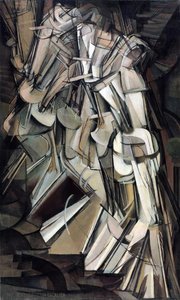
Marcel Duchamp’s “Sonata,” painted in 1911, is not merely a depiction of a musical performance; it’s a carefully constructed disruption – a visual puzzle that embodies the revolutionary spirit driving early 20th-century art. This watercolor, rendered in predominantly brown and white with strategic yellow accents, captures a scene brimming with potential narrative, yet deliberately fractured through the lens of Cubism. The image portrays a woman seated at a piano, surrounded by onlookers, a violinist poised nearby – a tableau ripe with artistic and social significance. However, Duchamp doesn’t offer a straightforward representation; instead, he dismantles the subject into geometric forms, presenting multiple perspectives simultaneously. This technique, characteristic of his exploration of perception and reality, anticipates the radical shifts in art that would define the Dada movement.
Created during a pivotal moment in artistic history – just before World War I – “Sonata” reflects Duchamp’s engagement with Cubism. Unlike the Impressionists who sought to capture fleeting moments of light, Cubism aimed to represent objects from multiple viewpoints at once, challenging traditional notions of perspective and representation. Duchamp's use of fragmented forms—the woman’s body rendered as overlapping planes, the instruments abstracted into geometric shapes—forces the viewer to actively participate in constructing meaning. The deliberate ambiguity invites speculation about the relationships between the figures, their motivations, and the nature of the performance itself. This rejection of a single, unified viewpoint is a key element of Duchamp's artistic philosophy: questioning established conventions and exploring alternative ways of seeing.
The scene depicted in “Sonata” carries layers of symbolic weight. The act of playing music itself has long been associated with emotion, contemplation, and transcendence. The presence of a violinist suggests harmony and collaboration, while the audience represents judgment and appreciation – elements central to the artistic process. Duchamp’s Cubist treatment subtly undermines these traditional associations, suggesting that art is not simply about representing reality but about actively constructing it. The color palette—earthy browns and whites punctuated by vibrant yellows—further enhances this sense of tension between order and chaos, stability and disruption. The yellow accents could represent the spotlight illuminating the performer, or perhaps a critical eye observing the scene.
"Sonata" possesses a haunting beauty born from its deliberate incompleteness. The fragmented composition evokes a sense of unease and invites contemplation about the nature of perception, representation, and artistic value. Duchamp’s work paved the way for Conceptual Art, where the idea behind the artwork often takes precedence over its aesthetic qualities. This piece remains a powerful example of Duchamp's intellectual rigor and his willingness to challenge the very foundations of art. A hand-painted reproduction offers an opportunity to experience this seminal work firsthand, appreciating the intricate details and the profound questions it raises about our relationship with art and the world around us.


1887 - 1968 , Francuska

Find serenity with 10 minimalist masterpieces! Explore Agnes Martin, Rothko & more. Discover the stories behind iconic abstract art, neutral palettes & calming designs. Museum-quality reproductions at Most-Famous-Paintings.com – elevate your home decor today!

Elevate your interiors with impactful statement walls! Expert guide on scaling artwork for perfect proportions & design harmony. Custom solutions & free consultations at Most-Famous-Paintings.

Otkrijte bogatu istoriju mrtve prirode i kako umetničke reprodukcije transformišu prostore vile u elegantan ambijent. Saveti stručnjaka, simbolizam dela & investicioni potencijal.

Priručnik za integraciju kubističke inspiracije u dizajn modernih vila. Estetski principi, pravna razmatranja i saveti stručnjaka za luksuzni enterijer. Otkrijte tajne vrhunskog dizajna!

Explore 10 Cubist masterpieces by Picasso, Braque & more! Discover the stories behind these revolutionary paintings and their impact on modern art. Find museum-quality reproductions for your home at Most-Famous-Paintings.com – where art comes to life.


Budite u toku sa najnovijim vestima o umetnosti, ekskluzivnim ponudama i idejama za dekoraciju.
Recite nam o vašem projektu i naši stručnjaci za umetnost će vam pružiti 3 personalizovana predloga umetničkih dela.
Dozvolite nam da odaberemo 3 opcije specijalno za Vas - Besplatno!


 Podeli


 Pročitaj više







 Opcija sa staklom dostupna je samo za dimenzije manje od 110 cm