


x

 Acrylic On CanvasWallArtRoerich Symbolist
 191019th Century
 203.0 x 103.0 cm
Giclée štampa ili print na platnu muzejskog kvaliteta uz brzu proizvodnju i fleksibilne opcije završne obrade. ( Switch to hand made Painting Switch to Image)





























Izaberite jednu od naših unapred definisanih veličina koje odgovaraju originalnim proporcijama umetničkog dela.

Možete uneti sopstvene dimenzije kako biste umetničko delo prilagodili specifičnom okviru ili prostoru. Ako odabrani format ne odgovara proporcijama originalne slike, mi ćemo ili iscrtati deo dela ili proširiti sliku pomoću ogledane ivice ili jednobojnog popunjavanja. Digitalni prikaz će vam biti poslat na odobrenje pre početka proizvodnje.
Imajte na umu da pregled na ekranu ne odražava stvarno iscrtavanje ili proširivanje. Samo će prikaz (mockup) precizno pokazati finalnu kompoziciju.
Iako su prilagođene dimenzije dostupne, preporučujemo da odaberete dimenziju sa unapred definisane liste kako biste očuvali originalne proporcije.
Dostava širom sveta () za 2 nedelje umesto uobičajenih 4/5 nedelja. (30 јул)


Boyan
Dimenzije reprodukcije
Nicholas Roemerich's Boyan, painted in 1910, is more than just a portrait; it’s a profound meditation on the human condition rendered with the artist’s signature blend of meticulous realism and deeply layered symbolism. Measuring 203 x 103 cm, this work immediately draws the viewer into a scene of quiet intensity – a man seated at a table, lost in thought amidst a breathtaking mountainous landscape. The painting's serene atmosphere speaks to Roerich’s lifelong fascination with Eastern philosophy, particularly the concept of *manas* – the inner spiritual essence – and its connection to the natural world.
Roerich was deeply influenced by the esoteric traditions of Tibet and India, which he explored extensively through archaeological expeditions and spiritual study. Boyan is replete with symbolic elements reflecting these influences. The mountainous landscape itself represents the vastness of the universe and the challenges inherent in seeking enlightenment. The castle-like structure visible on the horizon could symbolize a fortress of the mind – the obstacles one must overcome to achieve inner peace. The red robe, a common motif in Roerich’s work, often signifies spiritual power or connection to ancient traditions.
Painted in 1910, during a period of significant intellectual and artistic ferment, Boyan reflects Roerich’s evolving worldview. He was increasingly concerned with bridging the gap between science and spirituality, believing that both were essential for understanding humanity’s place in the cosmos. Roerich's work during this time is characterized by a growing emphasis on shamanistic themes and a desire to explore the spiritual dimensions of ancient cultures. This painting exemplifies his ambition to create art that was not merely aesthetically pleasing but also possessed a profound philosophical and spiritual significance.
Boyan possesses a remarkable ability to evoke a sense of quiet contemplation and wonder. The painting’s serene atmosphere invites the viewer to share in Boyan's introspective journey, prompting reflection on themes of mortality, spirituality, and the relationship between humanity and nature. As one of Nicholas Roerich’s most iconic works, Boyan continues to resonate with audiences today, demonstrating the enduring power of art to inspire and challenge our understanding of ourselves and the world around us. Its meticulous detail and evocative symbolism make it a compelling subject for collectors and interior designers seeking to infuse their spaces with a sense of timeless beauty and profound meaning.

1874 - 1947 , Rusija
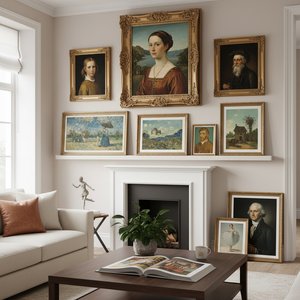
Istražite 25 remek-dela Nacionalne galerije u Vašingtonu! Otkrijte priče iza Cezannea, Matissea i Picassa. Inspiracija za dekoraciju enterijera i vrhunske reprodukcije slika dostupne na Most-Famous-Paintings.com.

Explore the captivating art of Nicholas Roerich – a visionary painter whose Himalayan landscapes blend spiritual mysticism with cultural preservation. Discover his legacy & symbolism.

Istražite 25 remek-dela Edvarda Muncha i otkrijte dubinu ekspresionizma, tugu i anksioznost u njegovim ikončnim slikama. Kvalitetne reprodukcije za dekoraciju enterijera dostupne na Most-Famous-Paintings.com. Pronađite inspiraciju i kupite umetnička dela online!
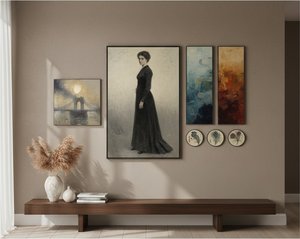
Istražite 25 remek-dela Džemsa Abota MekNila Whistler-a! Uronite u svet Tonalizma, portreta i prelepog pejzaža. Kupite vrhunske reprodukcije slika na Most-Famous-Paintings.com i obogatite svoj enterijer luksuznom umetnošću.

Uronite u svet Pierre-Auguste Renoara! Otkrijte 25 remek-dela impresionizma, priče iza slika i tehničke detalje. Reprodukcije vrhunskog kvaliteta za vaš dom dostupne na Most-Famous-Paintings.com. Istražite celu kolekciju online!


Budite u toku sa najnovijim vestima o umetnosti, ekskluzivnim ponudama i idejama za dekoraciju.
Recite nam o vašem projektu i naši stručnjaci za umetnost će vam pružiti 3 personalizovana predloga umetničkih dela.
Dozvolite nam da odaberemo 3 opcije specijalno za Vas - Besplatno!


 Preview
 Pošalji
 Podeli
 Detalji o delu

 Преузми
 Slični predmeti
 Rendgenski snimak
 Slajdovi
 Pročitaj više







 Opcija sa staklom dostupna je samo za dimenzije manje od 110 cm


