


x

 Acrylic On CanvasWallArtBaroque Rome
 1621
1621 39.0 x 38.0 cm
 Metropolitan Museum of Art
Giclée štampa ili print na platnu muzejskog kvaliteta uz brzu proizvodnju i fleksibilne opcije završne obrade. ( Kupi ručno naslikanu sliku Kupi digitalnu sliku)





























Izaberite jednu od naših unapred definisanih veličina koje odgovaraju originalnim proporcijama umetničkog dela.

Možete uneti sopstvene dimenzije kako biste umetničko delo prilagodili specifičnom okviru ili prostoru. Ako odabrani format ne odgovara proporcijama originalne slike, mi ćemo ili iscrtati deo dela ili proširiti sliku pomoću ogledane ivice ili jednobojnog popunjavanja. Digitalni prikaz će vam biti poslat na odobrenje pre početka proizvodnje.
Imajte na umu da pregled na ekranu ne odražava stvarno iscrtavanje ili proširivanje. Samo će prikaz (mockup) precizno pokazati finalnu kompoziciju.
Iako su prilagođene dimenzije dostupne, preporučujemo da odaberete dimenziju sa unapred definisane liste kako biste očuvali originalne proporcije.
Dostava širom sveta () za 2 nedelje umesto uobičajenih 4/5 nedelja. (15 август)


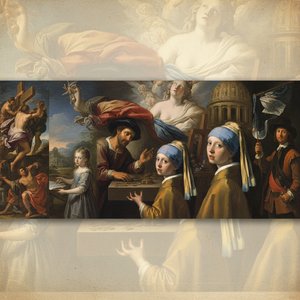
A Cardinal's Procession
Dimenzije reprodukcije
Ottavio Leoni, a name that whispers through the corridors of the early Baroque era, remains one of the most intriguing enigmas of the Roman art scene. Born in Rome around 1578, Leoni emerged from a lineage of artistic talent, being the son of the respected painter Lodovico Leoni. This familial foundation provided him with more than just technical instruction; it immersed him in the rich, evolving traditions of Venetian-influenced painting that were then sweeping through Italy. While history has often relegated him to the shadows of his more famous contemporaries, a closer examination of his surviving works reveals an artist of profound elegance and a master of the psychological depth required for true portraiture.
Leoni’s artistic journey was defined by a remarkable ability to capture the dignity and spiritual weight of his subjects. His training allowed him to navigate the complex textures of the era, blending the soft light of the Venetian school with the dramatic, emerging intensity of the Roman Baroque. This duality is perhaps most evident in his religious commissions, where he demonstrated a command over chiaroscroll—the masterful use of light and shadow to create volume and emotional resonance. In works such as the Annunciation for Sant’Eustachio and the Virgin and Child with St. Giacomo for Santa Maria della Minerva, Leoni does not merely depict sacred figures; he breathes a palpable sense of reverence into them, using light to illuminate the divine within the human form.
Beyond the altarpieces that adorned Rome's great churches, Leoni found his true calling in the intimate realm of portraiture and printmaking. He possessed a rare gift for translating the social standing and inner character of his sitters onto canvas and copper. His portraits, such as the striking depiction of Cardinal Domenico Toschi, are studies in texture and status, where the heavy, rich red robes of the clergy are rendered with such meticulous detail that one can almost feel the weight of the fabric. This technical precision was matched by an ability to convey a sense of presence, making his subjects appear as living entities frozen in a moment of quiet contemplation.
Leoni’s versatility extended into the delicate medium of engraving, where he achieved a level of fame that briefly bridged the gap between obscurity and recognition. His groundbreaking engraving of Caravaggio's work serves as a testament to his ability to interpret the most revolutionary visual language of his time. Whether working on large-scale oil paintings or the fine surface of copper, Leoni’s hand was characterized by a certain rhythmic grace. Even in his Self-Portrait, we see an artist deeply aware of his place in history, presenting himself with a dignified presence that reflects both his personal pride and the professional standard he maintained as the president of the Accademia di San Luca.
The life of Ottavio Leoni was tragically cut short in 1630, leaving behind a body of work that serves as a vital link in the evolution of Roman Baroque art. Though he may have slipped into relative obscurity following his death, the rediscovery of his oeuvre offers invaluable insights into the artistic ecosystem of 17th-century Rome. His ability to synthesize different regional styles—the luminosity of Venice and the drama of Rome—helped pave the way for the full flowering of the Baroque period.
To study Leoni is to witness the transition of an era. His contributions can be summarized through several key artistic pillars:
Today, as scholars and art enthusiasts continue to peel back the layers of his forgotten history, Ottavio Leoni stands not just as a footnote, but as a vital protagonist in the grand narrative of Italian art.

1578 - 1630 , Italy
Otkrijte 10 remek dela koja su definisala baroknu umetnost! Karavagio, Bernini i više – istražite priče iza ovih ikoničnih slika. Inspiracija za vaš dom? Pogledajte kolekciju na Most-Famous-Paintings.com!

Explore the Italian Renaissance! Discover humanist ideals, iconic masterpieces by Leonardo, Michelangelo & Raphael, and lasting artistic innovations. A comprehensive guide for art enthusiasts.

Explore the life & legacy of Sir Anthony van Dyck, the leading court painter of his era. Discover his innovative portraiture, Baroque masterpieces, and investment potential for discerning collectors. Learn more at Most-Famous-Paintings.

Explore the grandeur of Baroque portraiture! Discover Rubens, Van Dyck & the masters of 17th-century art. Uncover symbolism, techniques & lasting influence. Expert insights for collectors and enthusiasts.

Commission a unique, hand-painted portrait that captures your story & cherished memories. Expert artists, personalized service & museum-quality results. Explore the art of bespoke portraiture today!


Budite u toku sa najnovijim vestima o umetnosti, ekskluzivnim ponudama i idejama za dekoraciju.
Recite nam o vašem projektu i naši stručnjaci za umetnost će vam pružiti 3 personalizovana predloga umetničkih dela.
Dozvolite nam da odaberemo 3 opcije specijalno za Vas - Besplatno!


 Pregledaj u prostoru
 Pošalji
 Podeli
 Detalji o delu

 Преузми
 Slični predmeti
 Rendgenski snimak
 Slajdovi
 Pročitaj više







 Opcija sa staklom dostupna je samo za dimenzije manje od 110 cm


