Prodajte svoju umetnost
Lista želja Корпа за куповину Cart
Pregledaj u prostoruPregledaj u prostoru AR pregledAR pregled Kupi print Kupi printKupi ručno naslikanu sliku Kupi ručno naslikanu sliku PošaljiPošalji
Detalji o deluDetalji o delu Dodaj u omiljene Dodaj u omiljene ПреузмиПреузми Slični predmetiSlični predmeti Rendgenski snimakRendgenski snimak SlajdoviSlajdovi

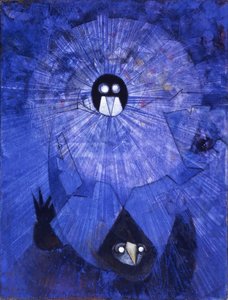
Untitled (320)

Explore Otto Mueller's evocative nudes & Romani subjects! A key Die Brücke Expressionist, his harmonious landscapes were condemned by the Nazis. Discover his art today.

Kupite digitalnu sliku visoke rezolucije i poboljšanog kvaliteta, koja je znatno superiornija od onoga što vidite u online prikazu.

Svaka datoteka je pedantno pripremljena od strane naših stručnjaka koristeći napredne alate i profesionalnu ručnu retušu. Osiguravamo da svaka slika ima izuzetnu oštrinu, preciznu reprodukciju boja i fine detalje.

Konačna datoteka se dostavlja putem e-pošte u roku od 72 sata, optimizovana za neposrednu upotrebu u profesionalnim, izdavačkim i štamparskim okruženjima. To je isti kvalitet kojem veruju vrhunski studiji dizajna, izdavači i galerije.

Digitalna slika

Preuzmite datoteku visoke rezolucije za ličnu upotrebu, štampanje i kreativne projekte. (Kupi print Kupi printKupi ručno naslikanu sliku Kupi ručno naslikanu sliku)

Ukupna cena

$ 24,90

Uključeno uz svaku porudžbinu digitalne slike

Profesionalna digitalna isporuka, zagarantovana

Kada odaberete Most-Famous-Paintings.com, ne dobijate samo sliku – vi primate profesionalno unapređeno digitalno umetničko delo, izrađeno sa najvećom preciznošću i uz garanciju zadovoljstva. Evo svega što automatski dolazi uz vašu porudžbinu:

shipping_icon
Brza dostava putem e-pošte

Vaša digitalna slika visoke rezolucije biće vam poslata putem e-pošte u roku od 72 sata od poručivanja – spremna za trenutnu upotrebu.

canvas_icon
Digitalna datoteka unapređena veštačkom inteligencijom

Vaše umetničko delo je profesionalno optimizovano korišćenjem naprednih AI alata i ručne obrade, čime se osiguravaju maksimalni detalji, oštrina i preciznost boja.

insurance_icon
Besplatna ponovna isporuka doživotno

Slučajno ste obrisali ili izgubili svoju datoteku? Ne brinite – poslaćemo vam je ponovo u bilo kom trenutku, potpuno besplatno.

tax_icon
Bez troškova uvoza – zauvek

Uživajte u svojim umetničkim delima trenutno, bez carine, dažbina ili troškova dostave – digitalni download je uvek bez poreza.

color_icon
Garancija vernosti boja

Uz pomoć profesionalnih alata i upravljanja bojama, osiguravamo da vaša digitalna slika što vernije odražava originalne boje.

return_icon
Garancija zadovoljstva u roku od 60 dana

Ako niste zadovoljni svojom digitalnom slikom, revidirat ćemo je ili vratiti 100% novca u roku od 60 dana – bez ikakvih pitanja.

guarantee_icon
100% garancija povrata novca

Niste zadovoljni? Obezbedite pun povrat novca u roku od 60 dana od trenutka kada ste primili svoju digitalnu datoteku – bez suvišnih pitanja.

discount_icon
Popusti na velike porudžbine

Kupite 3 slike, uštedite 10% - Kupite 5 slika, uštedite 15% - Kupite 10+ slika, uštedite 20%. Odlično za kreativne projekte, galerije i agencije.



Biografija umetnika

A Life Immersed in Color and Controversy: The World of Otto Müller

Otto Müller, a pivotal figure within the German Expressionist group Die Brücke (The Bridge), remains an artist whose work pulsates with raw emotion, spiritual yearning, and a profound connection to the natural world. Born in Liepāja, Latvia – then part of the Russian Empire – in 1874, his early life was marked by a restless spirit and a burgeoning artistic talent that quickly outgrew conventional academic training. He wasn’t drawn to meticulous realism but rather to capturing the *essence* of experience, a pursuit that would define his entire career. His father's profession as a merchant exposed him to diverse cultures and landscapes early on, fostering an openness to new perspectives which later manifested in his unique artistic style. Müller’s initial studies at the Düsseldorf Academy were short-lived; he found its rigid structure stifling, preferring instead to develop independently, absorbing influences from artists like Van Gogh, Gauguin, and Edvard Munch – masters who prioritized emotional intensity over precise representation. This rejection of academic norms was a crucial step in his journey toward becoming a founding member of Die Brücke in 1905.

The Bridge and the Search for Primal Expression

Die Brücke wasn’t merely an artistic collective; it was a brotherhood united by a shared desire to break free from societal constraints and explore the depths of human emotion through art. Müller, alongside Kirchner, Heckel, Schmidt-Rottluff, and Pechstein, sought to reconnect with a more primal form of expression, drawing inspiration from African sculpture, medieval woodcuts, and the uninhibited energy of folk art. This pursuit led to a distinctive aesthetic characterized by bold colors, distorted forms, and a deliberate rejection of traditional perspective. Müller’s contribution to Die Brücke was particularly notable for his depictions of nude figures – often set within lush, evocative landscapes – and his sensitive portrayals of Romani people (Gypsies). These subjects weren't simply representations; they embodied a longing for an authentic existence uncorrupted by modern civilization. His paintings from this period are imbued with a sense of melancholy and spiritual searching, reflecting the group’s broader anxieties about alienation and the loss of connection in an increasingly industrialized world. He wasn’t interested in portraying idyllic scenes but rather capturing the psychological weight of his subjects, their vulnerability and resilience.

A Unique Voice: Style and Symbolism

Müller's style evolved throughout his career, yet certain hallmarks remained consistent. His use of color was particularly striking – often employing jarring juxtapositions and intense hues to create a sense of emotional tension. He favored simplified forms and flattened perspectives, reminiscent of woodcuts, which contributed to the raw, almost visceral quality of his work. The landscapes in his paintings are rarely specific locations; they serve as psychological spaces, mirroring the inner states of his figures. The Romani people he depicted were not exoticized or romanticized but rather presented with dignity and empathy. He spent extended periods living amongst them, learning their customs and traditions, and striving to capture their unique worldview. Recurring motifs, such as trees, water, and the human body, held symbolic weight in his work. Trees often represented life force and connection to nature, while water symbolized purification and transformation. The nude figures, frequently depicted in poses of contemplation or vulnerability, embodied a longing for spiritual wholeness. His later works also reveal an interest in religious themes, particularly those related to the Passion of Christ, reflecting a lifelong fascination with spirituality and suffering.

Condemnation and Legacy: A Troubled Reception

Despite his artistic achievements, Müller’s career was marked by controversy and hardship. His work, along with that of other Expressionists, was deemed “degenerate” by the Nazi regime in 1937, and he was stripped of his professorship at the Breslau Academy. He was forbidden to paint and lived in relative isolation during World War II. This persecution, however, did not diminish his artistic vision; he continued to create art throughout this period, albeit with limited resources. After the war, Müller slowly regained recognition, but his work remained largely overlooked for many years. Today, Otto Müller is celebrated as one of the most important figures in German Expressionism. His paintings are admired for their emotional intensity, spiritual depth, and unique aesthetic sensibility. He paved the way for future generations of artists to explore the complexities of human experience through bold experimentation and uncompromising self-expression. His influence can be seen in the work of numerous contemporary painters who continue to grapple with themes of alienation, spirituality, and the search for meaning in a fragmented world. His comic strip series Ottifanten, created under a pseudonym during his later years, demonstrates an unexpected playful side to his artistic personality.