x

 Preview
 Naručite reprodukciju Kupi digitalnu sliku
 Pošalji
 Detalji o delu
 Dodaj u omiljene
 Преузми
 Slični predmeti
 Rendgenski snimak
 Slajdovi
 Ulje na platnuUmetnost za zidovePost-Impressionism
 187019. vek
 33.0 x 40.0 cm
Giclée štampa ili print na platnu muzejskog kvaliteta uz brzu proizvodnju i fleksibilne opcije završne obrade.





























Izaberite jednu od naših unapred definisanih veličina koje odgovaraju originalnim proporcijama umetničkog dela.

Možete uneti sopstvene dimenzije kako biste umetničko delo prilagodili specifičnom okviru ili prostoru. Ako odabrani format ne odgovara proporcijama originalne slike, mi ćemo ili iscrtati deo dela ili proširiti sliku pomoću ogledane ivice ili jednobojnog popunjavanja. Digitalni prikaz će vam biti poslat na odobrenje pre početka proizvodnje.
Imajte na umu da pregled na ekranu ne odražava stvarno iscrtavanje ili proširivanje. Samo će prikaz (mockup) precizno pokazati finalnu kompoziciju.
Iako su prilagođene dimenzije dostupne, preporučujemo da odaberete dimenziju sa unapred definisane liste kako biste očuvali originalne proporcije.
Dostava širom sveta () za 2 nedelje umesto uobičajenih 4/5 nedelja. (23 јул)


Бацери (11)
Dimenzije reprodukcije
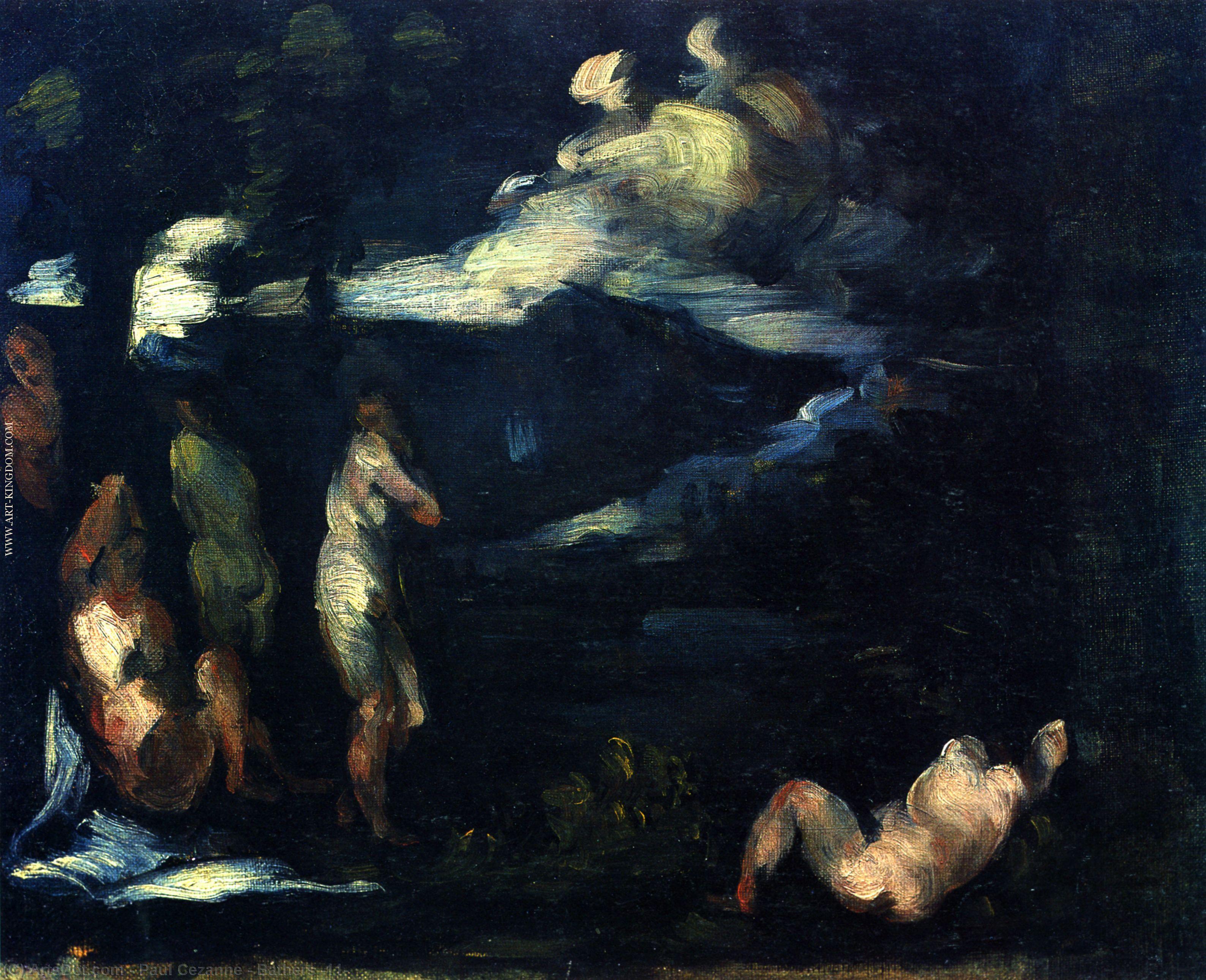
Paul Cézanne’s “Bathers (11),” painted around 1870-1873, isn’t merely a depiction of nude figures; it’s the genesis of an artistic revolution. Emerging from the fertile ground of late Impressionism, this work represents a pivotal shift in Cézanne’s approach to representation – a deliberate move away from fleeting impressions and towards a more structured, enduring vision of reality. The painting reflects his deep fascination with the human form within the embrace of nature, a theme he would relentlessly pursue throughout his career. Initially influenced by Romanticism's emphasis on emotional intensity and the Barbizon school’s focus on landscape, Cézanne sought to synthesize these influences into something uniquely his own. The choice of bathers—a subject steeped in classical tradition – provided a framework for exploring fundamental geometric forms and spatial relationships, laying the groundwork for what would later become Cubism. The serene atmosphere, achieved through a deliberate restraint of color and a focus on tonal values, invites contemplation and a sense of quietude, a stark contrast to the vibrant palettes often associated with Impressionism.
Cézanne’s mastery lies not in meticulous detail but in his innovative use of brushstrokes. He abandoned the short, broken strokes favored by Impressionists, opting instead for a technique he himself described as “planes of color.” Imagine each figure—the reclining woman on the left, the one reaching upwards, and the third seated—as constructed from these distinct planes, subtly overlapping and interweaving to create an illusion of depth and volume. His brushwork is remarkably small and precise, building up layers of pigment to achieve a textured surface that seems to shimmer with light. This deliberate manipulation of form isn’t about replicating reality; it's about distilling the essence of the subject – its structure, its weight, its relationship to space – into a simplified, enduring representation. The painting’s monochrome palette—a carefully orchestrated dance of blacks and whites—further emphasizes this structural approach, allowing Cézanne to focus entirely on the interplay of light and shadow and the underlying geometry of his subjects.
Beyond its formal innovations, “Bathers (11)” is rich with symbolic resonance. The presence of a bird soaring above the figures immediately elevates the scene, imbuing it with a sense of freedom and tranquility. It’s not simply a decorative element; it represents an aspiration towards a higher state of being, a connection to the boundless expanse of nature. The surrounding trees, rendered in broad, simplified strokes, act as anchors, firmly grounding the figures within their natural environment. They create a unified composition—a harmonious blend of human form and organic landscape—suggesting a profound sense of unity between humanity and the world around it. The arrangement of the bathers themselves – diagonally oriented and subtly overlapping – mirrors the branching patterns of trees, reinforcing this connection to nature. The painting isn’t about depicting a specific moment in time; it's about capturing an enduring state of equilibrium.
Initially met with skepticism and incomprehension by critics who were accustomed to the fleeting effects of Impressionism, Cézanne’s work gradually gained recognition through the efforts of fellow artists like Camille Pissarro and the discerning eye of art dealer Ambroise Vollard. His 1895 solo exhibition in Vollard's Paris gallery proved a watershed moment, establishing Cézanne as a key figure in the transition from Impressionism to modern art. He profoundly influenced generations of artists, including Henri Matisse and Pablo Picasso, who recognized in his work a radical departure from traditional representation. Cézanne’s emphasis on geometric form, flattened perspective, and the exploration of underlying structure paved the way for Cubism and other avant-garde movements of the early 20th century. “Bathers (11)” stands as a testament to Cézanne's visionary genius—a painting that not only captures a moment in time but also anticipates the future of art.


1839 - 1906 , Француска
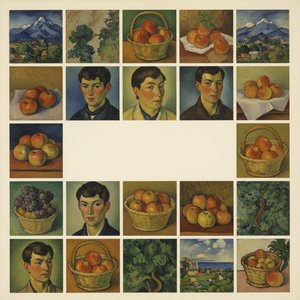
Istražite 25 remek-dela Paula Cézanna, revolucionarnog slikara impresionizma i postimpresionizma. Otkrijte priče iza ikoničnih pejzaža, portreta i mrtve prirode. Kupite luksuzne reprodukcije slika na Most-Famous-Paintings.com!

Istražite 25 remek-dela Paula Klea! Otkrijte priče iza ikoničnih slika, apstraktnog ekspresionizma i bogate palete boja. Inspiracija za dekoraciju enterijera & reprodukcije vrhunskog kvaliteta na Most-Famous-Paintings.com.

Uronite u svet 25 remek-dela Metropoliten muzeja! Otkrijte priče Van Goga, Monēa i drugih majstora. Reprodukcije slika vrhunskog kvaliteta za vaš dom. Inspiracija & dekoracija enterijera na Most-Famous-Paintings.com
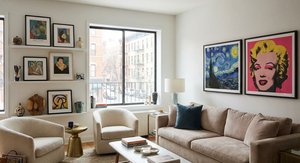
Istražite 25 remek-dela MoMA: Van Gog, Pikasov kubizam i Warholova pop art inspiracija. Otkrijte priče iza ikoničnih slika i pronađite savršenu reprodukciju za vaš dom na Most-Famous-Paintings.com!
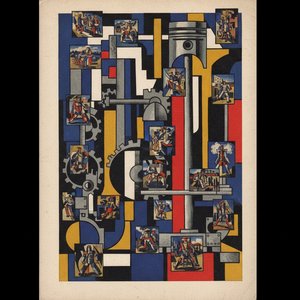
Istražite 25 remek-dela Fernanda Légera, pionira modernog umetništva i kubizma. Otkrijte priče iza njegovih ikoničnih slika, boje i tehniku. Reprodukcije vrhunskog kvaliteta za luksuzni dekor enterijera na Most-Famous-Paintings.com.


Budite u toku sa najnovijim vestima o umetnosti, ekskluzivnim ponudama i idejama za dekoraciju.
Recite nam o vašem projektu i naši stručnjaci za umetnost će vam pružiti 3 personalizovana predloga umetničkih dela.
Dozvolite nam da odaberemo 3 opcije specijalno za Vas - Besplatno!


 Podeli

 Pročitaj više







 Opcija sa staklom dostupna je samo za dimenzije manje od 110 cm