x

 Naručite reprodukciju Kupi digitalnu sliku
 Pošalji
 Detalji o delu
 Dodaj u omiljene
 Преузми
 Slični predmeti
 Rendgenski snimak
 Slajdovi
 WatercolorWallArtPost-Impressionism
 188219th Century
 38.0 x 20.0 cm
Giclée štampa ili print na platnu muzejskog kvaliteta uz brzu proizvodnju i fleksibilne opcije završne obrade.





























Izaberite jednu od naših unapred definisanih veličina koje odgovaraju originalnim proporcijama umetničkog dela.

Možete uneti sopstvene dimenzije kako biste umetničko delo prilagodili specifičnom okviru ili prostoru. Ako odabrani format ne odgovara proporcijama originalne slike, mi ćemo ili iscrtati deo dela ili proširiti sliku pomoću ogledane ivice ili jednobojnog popunjavanja. Digitalni prikaz će vam biti poslat na odobrenje pre početka proizvodnje.
Imajte na umu da pregled na ekranu ne odražava stvarno iscrtavanje ili proširivanje. Samo će prikaz (mockup) precizno pokazati finalnu kompoziciju.
Iako su prilagođene dimenzije dostupne, preporučujemo da odaberete dimenziju sa unapred definisane liste kako biste očuvali originalne proporcije.
Dostava širom sveta () za 2 nedelje umesto uobičajenih 4/5 nedelja. (21 јул)


Medea
Dimenzije reprodukcije
Paul Cézanne's Medea, created in 1882, stands as a poignant example of his evolving Post-Impressionist style. This watercolor painting, measuring 38 x 20 cm, transcends a simple depiction; it’s an exploration of human emotion rendered through innovative formal techniques.
Medea emerged during a pivotal period in art history. Post-Impressionism arose as a reaction against the fleeting, light-focused depictions of Impressionism. Cézanne, alongside artists like Vincent van Gogh and Paul Gauguin, sought to imbue their works with deeper emotional resonance and structural solidity. While Impressionists aimed to capture momentary visual impressions, Post-Impressionists delved into subjective experiences and explored formal elements—color, line, and composition—to convey meaning. This movement, predominantly French, spanned roughly from 1886 to 1905, laying the groundwork for subsequent modern art movements like Cubism.
The painting portrays a nude female figure seated on what appears to be a rocky outcrop. She cradles a child in her arms, creating an immediate sense of intimacy and maternal tenderness. Two indistinct figures are visible in the background, adding depth and suggesting a narrative beyond the central subject. Cézanne’s use of watercolor is particularly striking; the fluid medium allows for layered washes of color that create a sense of atmosphere and vulnerability. The lines are not precise but rather expressive, conveying movement and emotion over strict realism. Notice how Cézanne uses tonal variations within the foliage in the background to suggest depth, despite the somewhat flattened perspective characteristic of his style. This technique prioritizes feeling and visual impact over photographic accuracy.
The title Medea alludes to the tragic figure from Greek mythology—a powerful sorceress known for her passionate nature and devastating actions. While Cézanne’s painting doesn't explicitly depict a scene from the myth, it evokes its underlying themes of strength, resilience, and perhaps even despair. The nude figure can be interpreted as representing fertility, a connection to nature, or the raw vulnerability of human emotion. The overall composition suggests a moment of quiet contemplation amidst potential turmoil—a powerful portrayal of maternal instinct and inner fortitude.
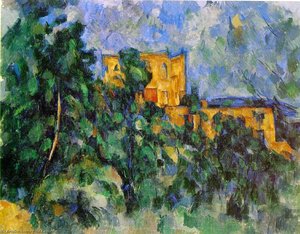
Cézanne drew inspiration from various artistic sources, including Pierre-Auguste Renoir, whose works often explored themes of love and family. However, Cézanne’s approach diverged significantly; he sought to move beyond the purely aesthetic concerns of Impressionism towards a more structured and emotionally charged representation of reality. Consider Well by the Winding Road in the Park of Chateau Noir, another notable work by Cézanne, which demonstrates his ability to capture landscapes with a sense of tranquility while employing his signature geometric approach. His later explorations into form would profoundly influence artists like Pablo Picasso and Georges Braque, solidifying his place as a pivotal figure in the transition from 19th-century art to modernism.


1839 - 1906 , Француска
Istražite 25 remek-dela Paula Cézanna, revolucionarnog slikara impresionizma i postimpresionizma. Otkrijte priče iza ikoničnih pejzaža, portreta i mrtve prirode. Kupite luksuzne reprodukcije slika na Most-Famous-Paintings.com!

Istražite 25 remek-dela Paula Klea! Otkrijte priče iza ikoničnih slika, apstraktnog ekspresionizma i bogate palete boja. Inspiracija za dekoraciju enterijera & reprodukcije vrhunskog kvaliteta na Most-Famous-Paintings.com.

Journey through Impressionism's heart with 10 iconic paintings by Monet, Renoir & Degas. Explore light, color & the stories behind these masterpieces. Find museum-quality art reproductions and elevate your home decor on Most-Famous-Paintings.com.

Journey through 10 legendary watercolor masterpieces by Sargent, Turner & Homer! Explore iconic landscapes, portraits & floral art that redefined history. Find museum-quality reproductions and curated decor ideas at Most-Famous-Paintings.com.

Uronite u svet Claudea Moneta sa 25 remek-dela impresionizma! Otkrijte priče iza poznatih slika, tehnike i inspiraciju. Reprodukcije vrhunskog kvaliteta za luksuzni dekor doma na Most-Famous-Paintings.com.


Budite u toku sa najnovijim vestima o umetnosti, ekskluzivnim ponudama i idejama za dekoraciju.
Recite nam o vašem projektu i naši stručnjaci za umetnost će vam pružiti 3 personalizovana predloga umetničkih dela.
Dozvolite nam da odaberemo 3 opcije specijalno za Vas - Besplatno!


 Podeli

 Pročitaj više







 Opcija sa staklom dostupna je samo za dimenzije manje od 110 cm