x

Giclée štampa ili print na platnu muzejskog kvaliteta uz brzu proizvodnju i fleksibilne opcije završne obrade. ( Kupi ručno naslikanu sliku Kupi digitalnu sliku)





























Izaberite jednu od naših unapred definisanih veličina koje odgovaraju originalnim proporcijama umetničkog dela.

Možete uneti sopstvene dimenzije kako biste umetničko delo prilagodili specifičnom okviru ili prostoru. Ako odabrani format ne odgovara proporcijama originalne slike, mi ćemo ili iscrtati deo dela ili proširiti sliku pomoću ogledane ivice ili jednobojnog popunjavanja. Digitalni prikaz će vam biti poslat na odobrenje pre početka proizvodnje.
Imajte na umu da pregled na ekranu ne odražava stvarno iscrtavanje ili proširivanje. Samo će prikaz (mockup) precizno pokazati finalnu kompoziciju.
Iako su prilagođene dimenzije dostupne, preporučujemo da odaberete dimenziju sa unapred definisane liste kako biste očuvali originalne proporcije.
Dostava širom sveta () za 2 nedelje umesto uobičajenih 4/5 nedelja. (18 август)


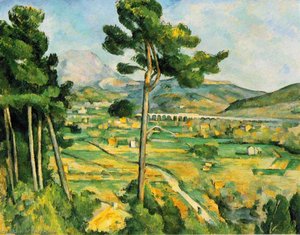
Standing Bather, Drying Her Hair
Dimenzije reprodukcije
Paul Cézanne's "Standing Bather, Drying Her Hair," painted in 1869, isn’t merely a depiction of a woman tending to her toilette; it’s a profound meditation on the essence of form, light, and the quiet dignity of the human figure. This pivotal work, housed within private collections but frequently studied through reproductions, marks a crucial turning point in Cézanne's artistic journey – a bridge between the fleeting impressions of Impressionism and the nascent geometric explorations that would define his legacy as a precursor to Cubism. The painting immediately draws the viewer into an atmosphere of contemplative stillness, a rare quality within the vibrant world of 19th-century art.
Cézanne’s approach diverges dramatically from the prevalent Impressionist focus on capturing transient moments and atmospheric effects. Instead, he meticulously dissects the subject – a nude female figure – into its fundamental geometric components: planes, lines, and volumes. The bather isn't rendered with delicate brushstrokes aiming to mimic the play of light; rather, she is constructed from carefully considered shapes that suggest solidity and permanence. This deliberate simplification, coupled with Cézanne’s masterful use of color—a restrained palette dominated by pale blues, ochres, and subtle pinks—creates a sense of timelessness, as if the scene exists outside the constraints of time itself.
The painting's luminosity isn't achieved through direct observation of reflected light, but rather through Cézanne’s understanding of color theory. He employs complementary colors—particularly the juxtaposition of blue and orange—to intensify the sense of depth and volume. The warm tones of the bather’s skin contrast subtly with the cooler hues of the background, drawing the eye to her form while simultaneously suggesting a vast, undefined space beyond. Notice how Cézanne uses broken brushstrokes – short, distinct marks that build up to create texture and shape—to capture the subtle variations in light and shadow across the figure's body. This technique contributes significantly to the painting’s tactile quality, inviting the viewer to almost feel the warmth of the sun on her skin.
While Cézanne himself resisted overt interpretations of his work, “Standing Bather” is rich in symbolic potential. The act of drying one's hair—a seemingly mundane domestic activity—is elevated to a moment of profound introspection. The bather’s posture – slightly off-center and imbued with a sense of quiet contemplation – suggests vulnerability and self-awareness. Some art historians have linked the swirling, atmospheric background to turbulent emotions or an internal landscape, mirroring the complexities of the human psyche. The painting's stillness isn't one of peace, but rather a pregnant pause—a moment before action, a reflection on the self.
Cézanne’s “Standing Bather” emerged during a period of significant artistic ferment in France. The Impressionist movement was challenging traditional academic conventions, while Post-Impressionist artists like Cézanne were experimenting with new ways of representing reality. Influenced by the frescoes he encountered during his trip to Italy in 1881—particularly those of Raphael and Giotto—Cézanne sought to rediscover a sense of classical order and harmony within his own work. His exploration of form and color paved the way for the development of Cubism, with artists like Picasso and Braque building upon Cézanne’s groundbreaking approach to spatial representation. The painting stands as a testament to Cézanne's revolutionary vision—a quiet yet powerful assertion of artistic independence that continues to resonate with viewers today.


1839 - 1906 , Француска
Istražite 25 remek-dela Paula Cézanna, revolucionarnog slikara impresionizma i postimpresionizma. Otkrijte priče iza ikoničnih pejzaža, portreta i mrtve prirode. Kupite luksuzne reprodukcije slika na Most-Famous-Paintings.com!

Istražite 25 remek-dela Paula Klea! Otkrijte priče iza ikoničnih slika, apstraktnog ekspresionizma i bogate palete boja. Inspiracija za dekoraciju enterijera & reprodukcije vrhunskog kvaliteta na Most-Famous-Paintings.com.

Journey into the heart of Impressionism! Explore 10 masterpieces by Monet, Renoir & Degas that revolutionized landscape art. Discover their stories, techniques & find museum-quality reproductions to elevate your home decor on Most-Famous-Paintings.com.

Explore the captivating world of Paul Huet (1803-1869), a master of French Romantic landscape painting. Discover his influence on Barbizon & Impressionism, and browse high-quality reproductions at Most-Famous-Paintings.

Discover the profound emotional depth of Impressionist and Post-Impressionist masterpieces. Explore how legends like Monet, Van Gogh, and Gauguin captured light and soul through evocative landscapes and vibrant brushwork for a timeless connection to art history.


Budite u toku sa najnovijim vestima o umetnosti, ekskluzivnim ponudama i idejama za dekoraciju.
Recite nam o vašem projektu i naši stručnjaci za umetnost će vam pružiti 3 personalizovana predloga umetničkih dela.
Dozvolite nam da odaberemo 3 opcije specijalno za Vas - Besplatno!


 Pregledaj u prostoru
 Pošalji
 Podeli
 Detalji o delu

 Преузми
 Slični predmeti
 Rendgenski snimak
 Slajdovi

 Pročitaj više







 Opcija sa staklom dostupna je samo za dimenzije manje od 110 cm