x

Giclée štampa ili print na platnu muzejskog kvaliteta uz brzu proizvodnju i fleksibilne opcije završne obrade. ( Kupi ručno naslikanu sliku Kupi digitalnu sliku)





























Izaberite jednu od naših unapred definisanih veličina koje odgovaraju originalnim proporcijama umetničkog dela.

Možete uneti sopstvene dimenzije kako biste umetničko delo prilagodili specifičnom okviru ili prostoru. Ako odabrani format ne odgovara proporcijama originalne slike, mi ćemo ili iscrtati deo dela ili proširiti sliku pomoću ogledane ivice ili jednobojnog popunjavanja. Digitalni prikaz će vam biti poslat na odobrenje pre početka proizvodnje.
Imajte na umu da pregled na ekranu ne odražava stvarno iscrtavanje ili proširivanje. Samo će prikaz (mockup) precizno pokazati finalnu kompoziciju.
Iako su prilagođene dimenzije dostupne, preporučujemo da odaberete dimenziju sa unapred definisane liste kako biste očuvali originalne proporcije.
Dostava širom sveta () za 2 nedelje umesto uobičajenih 4/5 nedelja. (19 август)


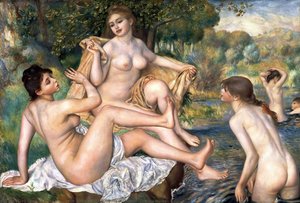
Bathers 3
Dimenzije reprodukcije
Pierre-Auguste Renoir’s “Bathers 3,” painted around 1918-1919, is more than just a depiction of two women enjoying a moment of repose; it's a culmination of the artist’s lifelong exploration of light, color, and the human form. Emerging from the Impressionist movement, Renoir consistently sought to capture fleeting moments – the dappled sunlight filtering through leaves, the subtle shifts in skin tone under varying illumination, the very essence of lived experience. This particular work, created near the end of his life while residing at Les Collettes in southern France, embodies a serene and almost nostalgic quality, reflecting both Renoir’s personal contentment and a broader yearning for beauty amidst the turmoil of World War I.
Renoir's artistic journey began firmly rooted within the burgeoning Impressionist movement. Like his contemporaries Monet and Degas, he rejected the rigid academic conventions of the time, opting instead to paint *en plein air* – directly from nature. This approach allowed him to meticulously observe and record the effects of light on color, a cornerstone of Impressionism. However, Renoir’s style evolved beyond pure Impressionism. While retaining the movement's emphasis on capturing fleeting moments, he increasingly embraced a more classical sensibility, drawing inspiration from Renaissance masters like Titian and Rubens. “Bathers 3” exemplifies this synthesis – it possesses the luminous quality characteristic of Impressionism but also demonstrates a deliberate composition and idealized forms reminiscent of earlier artistic traditions. The brushstrokes, while still visible, are softer and more blended than in his earlier works, creating a smoother, almost velvety surface that enhances the sense of warmth and tranquility.
The color palette of “Bathers 3” is remarkably harmonious. Renoir masterfully employs a range of warm tones – creams, pinks, peaches, and golds – to depict the women’s skin and clothing, creating an atmosphere of gentle warmth. The surrounding foliage is rendered in varying shades of green, punctuated by touches of brown and ochre, further enriching the composition's depth. Notice how Renoir doesn't meticulously define every detail; instead, he uses broad strokes of color to suggest form and texture. This technique allows light to play across the canvas, creating a shimmering effect that brings the scene to life. The two women are positioned in a relaxed pose, their bodies gently curving as they interact with each other and the natural surroundings. Their expressions are serene, conveying a sense of peaceful contentment. The composition itself is carefully balanced; the figures are arranged within a shallow space, creating a sense of intimacy and drawing the viewer into the scene.
Beyond its aesthetic beauty, “Bathers 3” carries deeper symbolic weight. The depiction of nude women bathing in nature has long been a recurring theme in Western art, often representing themes of purity, fertility, and the idyllic harmony between humanity and the natural world. In Renoir’s hands, however, this motif takes on a more personal and introspective quality. The setting – the sun-drenched garden at Les Collettes – becomes a symbol of refuge and tranquility, offering respite from the anxieties of the war-torn era. The women themselves can be interpreted as embodiments of feminine grace and beauty, representing a longing for peace and harmony in a world consumed by conflict. Ultimately, “Bathers 3” is an invitation to pause, reflect, and appreciate the simple pleasures of life – the warmth of the sun, the beauty of nature, and the companionship of loved ones.

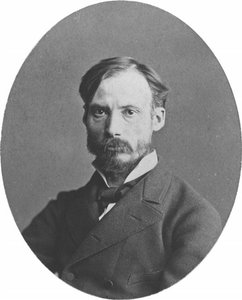
1841 - 1919 , Francuska

Uronite u svet Pierre-Auguste Renoara! Otkrijte 25 remek-dela impresionizma, priče iza slika i tehničke detalje. Reprodukcije vrhunskog kvaliteta za vaš dom dostupne na Most-Famous-Paintings.com. Istražite celu kolekciju online!

Explore the captivating world of Pierre-Auguste Renoir! Discover his life, iconic Impressionist masterpieces & enduring legacy with our expert guide. High-quality reproductions available.

Otkrijte 10 remek dela koja su definisala impresionizam! Uronite u svet Moneta, Renoara i drugih majstora. Analiza tehnika, priča iza slika i inspiracija za vaš dom. Eksplorišite kolekciju na Most-Famous-Paintings.com!

Uronite u svet impresionizma! Otkrijte 10 remek-dela Moneta, Renoara, Degasa i Van Goga. Istorija umetnosti, tehnike slikanja i inspiracija za dekoraciju enterijera. Kvalitetne reprodukcije na Most-Famous-Paintings.com.

Discover the luminous world of Pierre-Auguste Renoir. Explore an expert guide to his mastery of light, color, and joy through the lens of Impressionist history, perfect for fine art enthusiasts and collectors seeking timeless elegance.


Budite u toku sa najnovijim vestima o umetnosti, ekskluzivnim ponudama i idejama za dekoraciju.
Recite nam o vašem projektu i naši stručnjaci za umetnost će vam pružiti 3 personalizovana predloga umetničkih dela.
Dozvolite nam da odaberemo 3 opcije specijalno za Vas - Besplatno!


 Pregledaj u prostoru
 Pošalji
 Podeli
 Detalji o delu

 Преузми
 Slični predmeti
 Rendgenski snimak
 Slajdovi

 Pročitaj više







 Opcija sa staklom dostupna je samo za dimenzije manje od 110 cm