x

 Kupi štampu Kupi digitalnu sliku
 Pošalji
 Detalji o delu
 Dodaj u omiljene
 Преузми
 Slični predmeti
 Rendgenski snimak
 Slajdovi
Ručno oslikano uljanim bojama na platnu u dimenzijama i okviru po vašem izboru, izrađeno po porudžbini od strane naših umetnika.





























Izaberite jednu od naših unapred definisanih veličina koje odgovaraju originalnim proporcijama umetničkog dela.

Можете унети сопствене димензије како бисте прилагодили дело одређеном оквиру или простору. Ако одабрана величина не одговара пропорцијама оригинала, слика ће бити исечена или проширена додатним елементима који се ручно насликавају. Дигитални prikaz ће вам бити послат на одобрење пре почетка производње.
Имајте на уму да преглед на екрану не одражава стварно исецање или проширење. Само приказ (mockup) ће тачно приказати коначну композицију.
Иако су доступне прилагођене величине, препоручујемо да одаберете димензију из дефинисане листе како бисте сачували оригиналне пропорције.
Isporuka širom sveta () za 3/4 nedelje umesto uobičajenih 5 nedelja. (20 јул). Bez kompromisa po pitanju kvaliteta.


Coco
Dimenzije reprodukcije
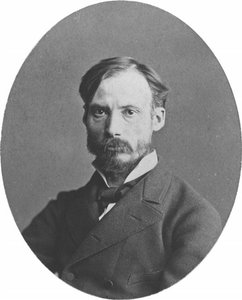
Pierre-Auguste Renoir's "Coco," a deceptively simple black and white drawing, is far more than a portrait; it’s a window into the artist’s evolving understanding of form, light, and human emotion. Born in Limoges in 1841, Renoir’s early life was steeped in the practicalities of porcelain painting – a skill he honed before dedicating himself fully to his artistic ambitions. This apprenticeship, however, proved invaluable, fostering an acute observation of detail and a deep appreciation for texture, qualities that would later inform his Impressionistic style. The drawing itself, though lacking specific provenance details, embodies this meticulous approach. It captures a man—likely a friend or acquaintance of Renoir’s—in a moment of quiet introspection. His posture is relaxed yet attentive, his gaze downward suggesting an absorption in thought, perhaps examining something held gently within his hand.
While rendered in monochrome, “Coco” reveals the hallmarks of Renoir’s developing technique. Notice how he doesn't simply outline the figure; instead, he employs subtle gradations of tone to create a sense of volume and depth. The shading is delicate, almost translucent, mimicking the way light would play across skin and fabric. This masterful manipulation of shadow isn’t merely about depicting form; it’s about capturing the *feeling* of light – its warmth, its diffusion, its ability to transform the mundane into something beautiful. Renoir was deeply influenced by his studies at the Louvre, particularly the works of artists like Ingres and Delacroix, who demonstrated a sophisticated understanding of chiaroscuro—the dramatic contrast between light and dark—a technique he skillfully adapted to his own style.
The subject’s attire – a suit and tie – immediately places “Coco” within the context of late 19th-century Parisian society. This was an era of rapid industrialization, social change, and burgeoning urban life. Portraits like this weren't simply representations of individuals; they were statements about status, profession, and belonging. The man’s downward gaze could be interpreted as a reflection on the complexities of modern existence – the pressures of commerce, the anxieties of a rapidly changing world. Renoir frequently depicted figures engaged in everyday activities, elevating these ordinary moments to the level of art. Here, he invites us to contemplate the quiet dignity and introspection within the commonplace.
Explore our collection of Pierre-Auguste Renoir reproductions today and bring the evocative beauty of "Coco" into your home or office. Each reproduction is a testament to the enduring power of art and the artist’s ability to capture the essence of human experience.

1841 - 1919 , Francuska

Explore the power of black, white & gray abstraction in modern interior design. Discover how minimalist art impacts spatial perception & creates sophisticated hotel spaces. Expert insights for designers.

Uronite u svet Džona Singera Sargenta! Otkrijte 25 remek-dela impresionizma i realizma, od portreta Madame X do fascinantnih akvarela. Inspiracija za dekoraciju enterijera & luksuzne reprodukcije slika na Most-Famous-Paintings.com.

Delve into the power of 'Ivory Black' with 10 iconic paintings by masters like Rembrandt & Caravaggio. Explore dramatic chiaroscuro, gothic moods & timeless art history. Find museum-quality reproductions and elevate your home decor at

Explore the rich history & artistic power of black and white photography. From early techniques to iconic masters like Ansel Adams, discover why monochrome continues to captivate art lovers today. Expert insights for collectors.

Explore the captivating world of monochrome art! Discover its rich history, influential artists like Malevich & Klein, and profound emotional impact. Expert insights for collectors & design enthusiasts.


Budite u toku sa najnovijim vestima o umetnosti, ekskluzivnim ponudama i idejama za dekoraciju.
Recite nam o vašem projektu i naši stručnjaci za umetnost će vam pružiti 3 personalizovana predloga umetničkih dela.
Dozvolite nam da odaberemo 3 opcije specijalno za Vas - Besplatno!


 Podeli


 Pročitaj više







 Opcija sa staklom dostupna je samo za dimenzije manje od 110 cm