x

 Ulje na platnuUmetnost za zidoveImpresionizam
 190319. vek
 46.0 x 54.0 cm
Giclée štampa ili print na platnu muzejskog kvaliteta uz brzu proizvodnju i fleksibilne opcije završne obrade. ( Kupi ručno naslikanu sliku Kupi digitalnu sliku)





























Izaberite jednu od naših unapred definisanih veličina koje odgovaraju originalnim proporcijama umetničkog dela.

Možete uneti sopstvene dimenzije kako biste umetničko delo prilagodili specifičnom okviru ili prostoru. Ako odabrani format ne odgovara proporcijama originalne slike, mi ćemo ili iscrtati deo dela ili proširiti sliku pomoću ogledane ivice ili jednobojnog popunjavanja. Digitalni prikaz će vam biti poslat na odobrenje pre početka proizvodnje.
Imajte na umu da pregled na ekranu ne odražava stvarno iscrtavanje ili proširivanje. Samo će prikaz (mockup) precizno pokazati finalnu kompoziciju.
Iako su prilagođene dimenzije dostupne, preporučujemo da odaberete dimenziju sa unapred definisane liste kako biste očuvali originalne proporcije.
Dostava širom sveta () za 2 nedelje umesto uobičajenih 4/5 nedelja. (21 август)


Мeloн и Томате
Dimenzije reprodukcije
Pierre-Auguste Renoir's 1903 painting, "Melon and Tomatos," isn’t merely a still life; it’s an exquisite distillation of Impressionist philosophy—a celebration of light, color, and the simple pleasures of everyday life. Held within a private collection today, this work offers a glimpse into Renoir's masterful ability to capture fleeting moments and imbue them with profound beauty. Measuring just 46 x 54 centimeters, it’s a remarkably intimate piece, inviting the viewer into a sun-drenched corner of a Parisian summer afternoon.
Renoir, already a celebrated figure in the Impressionist movement by this period, had developed a distinctive style characterized by loose brushstrokes and an emphasis on capturing the effects of light. He moved beyond the rigid academic traditions of his earlier training, embracing a more spontaneous and subjective approach to painting. “Melon and Tomatos” exemplifies this shift perfectly – it’s not about meticulously rendering each detail but rather conveying the *impression* of the scene: the warmth of the sun on the fruit, the subtle play of shadows, and the overall feeling of tranquility.
The painting's composition is deceptively simple yet remarkably effective. A plump melon, rendered in warm yellows and greens, dominates the center of the canvas, acting as the focal point. Around it, a carefully arranged assortment of tomatoes—a vibrant crimson against the lighter tones – creates a harmonious circle. Two apples, one positioned on the left side of a rustic table and another nestled towards the top-right corner, add subtle visual interest and contribute to the sense of balance. The inclusion of these fruits isn’t arbitrary; it speaks to Renoir's fascination with capturing the bounty of nature and its inherent beauty.
Renoir’s color palette is a key element of the painting’s allure. He employs a masterful blend of warm hues—ochres, yellows, and reds—to evoke the feeling of sunlight filtering through the air. The melon and tomatoes are painted with a vibrant intensity, while the apples introduce a touch of cooler tones, creating a dynamic interplay between warmth and coolness. This careful orchestration of color not only enhances the visual appeal but also contributes to the painting’s overall sense of harmony and depth.
As with all Impressionist works, “Melon and Tomatos” is defined by Renoir's distinctive brushwork. He employs short, broken strokes—often applied in a seemingly haphazard manner—to capture the fleeting effects of light and shadow. These visible brushstrokes create a sense of movement and immediacy, as if the scene were captured in a single, vibrant moment. The artist’s technique is less about precise representation and more about conveying the *experience* of seeing – the way light dances on surfaces, the subtle shifts in color, and the overall atmosphere of the scene.
Renoir's use of *plein air* painting—working outdoors directly from nature—contributed significantly to his Impressionist style. He sought to capture the ephemeral qualities of light and atmosphere, often working rapidly to fix his observations on canvas before they changed. This approach is evident in “Melon and Tomatos,” where the artist’s brushstrokes seem to mimic the dappled sunlight filtering through leaves or the shimmering heat haze above a summer field.
“Melon and Tomatos” stands as a testament to Renoir's enduring legacy as one of the most beloved Impressionist painters. It’s often compared to works by other masters, such as Paul Cézanne’s still lifes, which emphasize geometric forms and structure, and Henri Matisse’s bold use of color. However, Renoir’s work retains a distinctly lyrical quality—a sense of grace, beauty, and emotional resonance that sets it apart.
The painting's placement in Somerville College, Oxford, adds another layer to its story. This institution, with its rich history as a women’s college, represents a space dedicated to the appreciation and preservation of art. It serves as a reminder that beauty and artistic expression transcend boundaries and can be found in the simplest of subjects – a melon, some tomatoes, and the fleeting magic of light.
For those seeking a high-quality reproduction of this captivating masterpiece, Most-Famous-Paintings offers meticulously hand-painted oil paintings that faithfully capture Renoir’s vision. Explore our collection today and bring a touch of Impressionist beauty into your home.

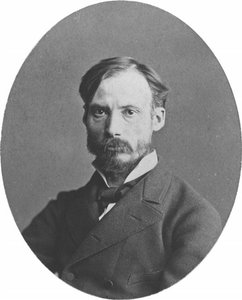
1841 - 1919 , Francuska

Uronite u svet Pierre-Auguste Renoara! Otkrijte 25 remek-dela impresionizma, priče iza slika i tehničke detalje. Reprodukcije vrhunskog kvaliteta za vaš dom dostupne na Most-Famous-Paintings.com. Istražite celu kolekciju online!
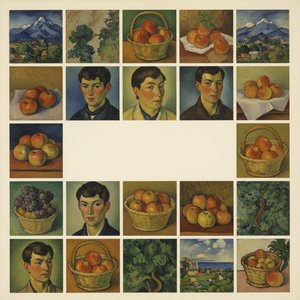
Istražite 25 remek-dela Paula Cézanna, revolucionarnog slikara impresionizma i postimpresionizma. Otkrijte priče iza ikoničnih pejzaža, portreta i mrtve prirode. Kupite luksuzne reprodukcije slika na Most-Famous-Paintings.com!

Otkrijte 10 remek dela koja su definisala impresionizam! Uronite u svet Moneta, Renoara i drugih majstora. Analiza tehnika, priča iza slika i inspiracija za vaš dom. Eksplorišite kolekciju na Most-Famous-Paintings.com!

Explore the rich history of still life painting & the symbolism of fruit across art movements. Discover masterpieces from Caravaggio to Cézanne with Most-Famous-Paintings – expert guidance & museum-quality reproductions.

Explore the captivating world of Pierre-Auguste Renoir! Discover his life, iconic Impressionist masterpieces & enduring legacy with our expert guide. High-quality reproductions available.


Budite u toku sa najnovijim vestima o umetnosti, ekskluzivnim ponudama i idejama za dekoraciju.
Recite nam o vašem projektu i naši stručnjaci za umetnost će vam pružiti 3 personalizovana predloga umetničkih dela.
Dozvolite nam da odaberemo 3 opcije specijalno za Vas - Besplatno!


 Pregledaj u prostoru
 Pošalji
 Podeli
 Detalji o delu

 Преузми
 Slični predmeti
 Rendgenski snimak
 Slajdovi
 Pročitaj više







 Opcija sa staklom dostupna je samo za dimenzije manje od 110 cm