x

 Acrylic On CanvasWallArtRealism
 1895
1895 40.0 x 31.0 cm
Giclée štampa ili print na platnu muzejskog kvaliteta uz brzu proizvodnju i fleksibilne opcije završne obrade. ( Kupi ručno naslikanu sliku Kupi digitalnu sliku)





























Izaberite jednu od naših unapred definisanih veličina koje odgovaraju originalnim proporcijama umetničkog dela.

Možete uneti sopstvene dimenzije kako biste umetničko delo prilagodili specifičnom okviru ili prostoru. Ako odabrani format ne odgovara proporcijama originalne slike, mi ćemo ili iscrtati deo dela ili proširiti sliku pomoću ogledane ivice ili jednobojnog popunjavanja. Digitalni prikaz će vam biti poslat na odobrenje pre početka proizvodnje.
Imajte na umu da pregled na ekranu ne odražava stvarno iscrtavanje ili proširivanje. Samo će prikaz (mockup) precizno pokazati finalnu kompoziciju.
Iako su prilagođene dimenzije dostupne, preporučujemo da odaberete dimenziju sa unapred definisane liste kako biste očuvali originalne proporcije.
Dostava širom sveta () za 2 nedelje umesto uobičajenih 4/5 nedelja. (14 август)


The Path
Dimenzije reprodukcije
Pierre-Auguste Renoir's “The Path,” painted in 1895, stands as a quintessential embodiment of Impressionism—a movement dedicated to capturing fleeting moments of beauty and emotion through light and color. Measuring 40 x 31 cm, this oil on canvas piece resides firmly within the Realism style, despite its luminous palette and airy atmosphere. It’s more than just a picturesque landscape; it's an invitation into a realm of serene contemplation.
At first glance, “The Path” presents a deceptively simple composition: a verdant field dominates the canvas, punctuated by mature trees that reach upwards towards a sky ablaze with hues of azure and pearl. Renoir skillfully employs light—a cornerstone of Impressionist technique—to illuminate the scene. As detailed in scholarly articles examining Light in Painting, artists like Renoir meticulously observe how sunlight transforms surfaces, influencing color perception and creating textural nuances. The dappled sunlight filtering through the foliage lends an ethereal quality to the landscape, fostering a palpable sense of warmth and tranquility.
However, “The Path” distinguishes itself from purely representational landscapes by incorporating two figures—a man and a woman—who stroll along the path. Their placement isn't accidental; it serves to underscore the harmonious relationship between humanity and nature. These individuals aren’t merely incidental additions; they are active participants in the scene, suggesting an awareness of beauty and inviting viewers to consider their own connection with the natural world. This subtle human element elevates the painting beyond mere visual spectacle.
The influence of fellow artists like John Constable—whose “A Wooded Path” similarly explores the grandeur of rural landscapes—and Cornelis Hendrickszoon Vroom—creator of “Forest Road with Two Horse-Drawn Carts”—can be discerned in Renoir’s approach. Like these masters, Renoir prioritizes capturing the essence of a particular moment in time, prioritizing emotional resonance over precise detail. These comparative works highlight the shared ambition to portray natural beauty while subtly conveying human experience.
"The Path" speaks volumes about Renoir’s artistic philosophy—a belief that art should evoke feelings rather than simply documenting reality. The tranquil setting, combined with the presence of figures engaged in quiet activity, fosters a mood of serenity and invites viewers to savor the beauty of the natural world. It's a painting designed not just to be seen but to be felt, cementing Renoir’s legacy as one of Impressionism’s foremost luminaries.

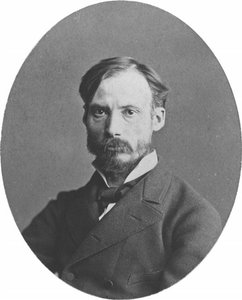
1841 - 1919 , Francuska

Uronite u svet Pierre-Auguste Renoara! Otkrijte 25 remek-dela impresionizma, priče iza slika i tehničke detalje. Reprodukcije vrhunskog kvaliteta za vaš dom dostupne na Most-Famous-Paintings.com. Istražite celu kolekciju online!

Journey into the heart of Impressionism! Explore 10 masterpieces by Monet, Renoir & Degas that revolutionized landscape art. Discover their stories, techniques & find museum-quality reproductions to elevate your home decor on Most-Famous-Paintings.com.
Journey through 10 breathtaking landscape paintings by Monet, Van Gogh & more! Explore iconic artworks, artistic techniques & find inspiration for your home decor. Museum-quality reproductions at Most-Famous-Paintings.com. Discover all masterpieces on Most-Famous-Paintings.com
Istražite 25 remek-dela Paula Cézanna, revolucionarnog slikara impresionizma i postimpresionizma. Otkrijte priče iza ikoničnih pejzaža, portreta i mrtve prirode. Kupite luksuzne reprodukcije slika na Most-Famous-Paintings.com!

Explore the rich history of landscape art with Most-Famous-Paintings. Discover renowned artists, movements like Impressionism & Romanticism, and expert guidance for collecting timeless pieces. Find your perfect serene escape today!


Budite u toku sa najnovijim vestima o umetnosti, ekskluzivnim ponudama i idejama za dekoraciju.
Recite nam o vašem projektu i naši stručnjaci za umetnost će vam pružiti 3 personalizovana predloga umetničkih dela.
Dozvolite nam da odaberemo 3 opcije specijalno za Vas - Besplatno!


 Pregledaj u prostoru
 Pošalji
 Podeli
 Detalji o delu

 Преузми
 Slični predmeti
 Rendgenski snimak
 Slajdovi
 Pročitaj više







 Opcija sa staklom dostupna je samo za dimenzije manje od 110 cm