


x

 Acrylic On CanvasWallArtBaroque Classicism
 1623
1623 72.0 x 56.0 cm
 Gemäldegalerie Alte Meister
Giclée štampa ili print na platnu muzejskog kvaliteta uz brzu proizvodnju i fleksibilne opcije završne obrade. ( Kupi ručno naslikanu sliku Kupi digitalnu sliku)





























Izaberite jednu od naših unapred definisanih veličina koje odgovaraju originalnim proporcijama umetničkog dela.

Možete uneti sopstvene dimenzije kako biste umetničko delo prilagodili specifičnom okviru ili prostoru. Ako odabrani format ne odgovara proporcijama originalne slike, mi ćemo ili iscrtati deo dela ili proširiti sliku pomoću ogledane ivice ili jednobojnog popunjavanja. Digitalni prikaz će vam biti poslat na odobrenje pre početka proizvodnje.
Imajte na umu da pregled na ekranu ne odražava stvarno iscrtavanje ili proširivanje. Samo će prikaz (mockup) precizno pokazati finalnu kompoziciju.
Iako su prilagođene dimenzije dostupne, preporučujemo da odaberete dimenziju sa unapred definisane liste kako biste očuvali originalne proporcije.
Dostava širom sveta () za 2 nedelje umesto uobičajenih 4/5 nedelja. (22 август)


Drinking Bacchus
Dimenzije reprodukcije
Guido Reni's "Drinking Bacchus," painted in 1623, is not merely a depiction of a youthful reveler; it’s a carefully constructed tableau brimming with symbolic weight and the sensual allure characteristic of the High Baroque. The painting immediately draws the eye to a young boy, seemingly lost in a moment of intense contemplation as he holds a wine glass overflowing with crimson liquid. This isn't a joyous celebration, however, but rather a scene steeped in ambiguity, inviting viewers to ponder the nature of indulgence and perhaps even hinting at darker undertones. The composition is dominated by a richly draped tree – a vine laden with grapes – that serves as both backdrop and subtle participant in the drama. Its tendrils reach out towards the boy, suggesting an almost predatory embrace, while the scattered grapes themselves become symbols of fleeting pleasure and potential excess.
Reni’s style is a testament to his training within the esteemed Bolognese School. He inherited and refined the principles championed by the Carracci brothers – anatomical precision, dramatic lighting, and a deep reverence for classical forms. Yet, Reni transcends mere imitation; he imbues these foundations with an intensely personal expression. Notice the meticulous rendering of the boy’s features: the delicate curve of his lips, the subtle furrow in his brow, all executed with a remarkable sensitivity to texture and light. The drapery is equally impressive – voluminous yet controlled, conveying both luxury and a sense of languid movement. Reni's mastery lies not just in replicating beauty but in capturing an emotional state, a quiet intensity that elevates the scene beyond simple representation.
The central figure, drinking from the wine glass, is undeniably linked to Bacchus, the Roman god of wine, revelry, and fertility. However, Reni deliberately obscures the overt celebration often associated with this deity. The boy’s expression isn't one of boisterous joy but rather a pensive stillness, suggesting a more introspective engagement with the intoxicating substance. The bowl in the lower left corner adds another layer of complexity – it could represent moderation, a warning against excess, or perhaps even a reflection of the potential consequences of unchecked desire. The vine itself is a potent symbol, representing both abundance and temptation, mirroring the duality inherent in Bacchus’s character.
Reni's skillful manipulation of light and shadow is crucial to the painting’s impact. The scene is bathed in a warm, diffused glow that highlights the boy’s face and hands while simultaneously obscuring details within the background. This creates a sense of intimacy and draws the viewer into the moment, fostering a feeling of quiet contemplation. The deep shadows cast by the tree and drapery contribute to an atmosphere of mystery and intrigue, hinting at hidden depths beneath the surface. The color palette – dominated by rich reds, browns, and golds – further enhances this effect, evoking both luxury and a subtle sense of foreboding. “Drinking Bacchus” is not simply a beautiful painting; it’s a carefully orchestrated exploration of human emotion, inviting us to confront our own desires and vulnerabilities.
This reproduction offers an exceptional opportunity to bring Reni's masterful work into your home or office, capturing the same evocative atmosphere and profound symbolism that captivated viewers centuries ago.

Guido Reni, poznat i kao Le Guide, rođen je u Bologni, Italija, 1575. godine. Bio je jedinac Daniele Renija, muzičara, i Ginevre Pozzi, takođe iz muzičke porodice. Ovo odrastanje usadilo mu je cenjenje za harmoniju i formu koji će kasnije uticati na njegov umetnički stil. Već sa devet godina Guido je započeo svoj staž pod Denišom Kalvaertom, flamanskim slikarom koji je radio u Bologni. Studirao je zajedno s budućim aspirantima Albanijem i Domenikinom, formirajući čvrstu osnovu klasičnih principa.
Reni’s umetnička karijera obuhvatila je nekoliko italijanskih gradova, uključujući Rim, Napulj i njegov rodni Bologna. Njegovi rani radovi pokazali su uticaj Kalvaerta i porodice Karaci, naglašavajući anatomsku preciznost i dramatičnu kompoziciju. Međutim, Reni je brzo razvio prepoznatljiv stil karakterisan elegancijom klasicizma, rafiniranom tehnikom i emotivnim intenzitetom. Postao je dominantna figura u Bolonjskoj školi, poznatoj po naglasku na akademskom obrazovanju i idealizovanim formama.
Reni’s opus obuhvata širok spektar tema, uključujući religijske scene, mitološke priče i alegorijske predstave. Neka od njegovih najpoznatijih dela uključuju:
Renijev stil se često opisuje kao eklektični klasicizam. Spojio je preciznost klasične umetnosti sa dinamikom i emocijama baroknog perioda. Njegove figure su obično idealizovane, posedujući mirnu lepotu i graciozan pokret.
Guido Reni je igrao ključnu ulogu u oblikovanju razvoja visokog baroka u Italiji. Uticao je na generacije umetnika svojom rafiniranom tehnikom, elegantnim kompozicijama i emotivnom dubinom. Njegovi radovi se mogu pronaći u istaknutim muzejima širom sveta, uključujući Palatu Kapodimonte u Napulju. Renijevo nasleđe se proteže dalje od slikarstva; bio je takođe pesnik i poštovani intelektualac svog vremena.
Njegova umetnost nastavlja da inspiriše umetnike i ljubitelje umetnosti danas, učvršćujući njegov položaj kao jednog od najvažnijih slikara 17. veka. Njegov uticaj se može videti u kasnijim baroknim umetnicima koji su težili da oponašaju njegovu gracioznost i emotivnu snagu.
Guido Reni umro je u Bologni 1642. godine, ostavljajući iza sebe bogato umetničko nasleđe koje nastavlja da očarava publiku vekovima kasnije.

1575 - 1642 , Италија

Explore the life & work of Guido Reni, a master of Baroque classicism. Discover his iconic religious & mythological paintings, and understand his enduring influence on art history. Expert analysis for collectors.

Explore the life & art of Simon Vouet, a pivotal French Baroque painter who introduced Italian styles to France. Discover his masterpieces and lasting influence on 17th-century art.

Explore the captivating world of Baroque Classicism! Discover its history, key artists like Caravaggio & Rubens, and defining characteristics. Expert insights & high-quality reproductions at Most-Famous-Paintings.

Откријте барокну драму и унесите величину у ваш ентеријер! Most-Famous-Paintings нуди ручно насликане репродукције, персонализоване портрете и стручне консултације за љубитеље класичне уметности. Потражите савршено дело већ данас!
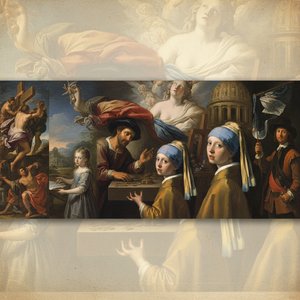
Otkrijte 10 remek dela koja su definisala baroknu umetnost! Karavagio, Bernini i više – istražite priče iza ovih ikoničnih slika. Inspiracija za vaš dom? Pogledajte kolekciju na Most-Famous-Paintings.com!


Budite u toku sa najnovijim vestima o umetnosti, ekskluzivnim ponudama i idejama za dekoraciju.
Recite nam o vašem projektu i naši stručnjaci za umetnost će vam pružiti 3 personalizovana predloga umetničkih dela.
Dozvolite nam da odaberemo 3 opcije specijalno za Vas - Besplatno!


 Pregledaj u prostoru
 Pošalji
 Podeli
 Detalji o delu

 Преузми
 Slični predmeti
 Rendgenski snimak
 Slajdovi
 Pročitaj više







 Opcija sa staklom dostupna je samo za dimenzije manje od 110 cm


