


x

Ručno oslikano uljanim bojama na platnu u dimenzijama i okviru po vašem izboru, izrađeno po porudžbini od strane naših umetnika. ( Pređi na štampu Prebacite na sliku)
Izaberite jednu od naših unapred definisanih veličina koje odgovaraju originalnim proporcijama umetničkog dela.

Можете унети сопствене димензије како бисте прилагодили дело одређеном оквиру или простору. Ако одабрана величина не одговара пропорцијама оригинала, слика ће бити исечена или проширена додатним елементима који се ручно насликавају. Дигитални prikaz ће вам бити послат на одобрење пре почетка производње.
Имајте на уму да преглед на екрану не одражава стварно исецање или проширење. Само приказ (mockup) ће тачно приказати коначну композицију.
Иако су доступне прилагођене величине, препоручујемо да одаберете димензију из дефинисане листе како бисте сачували оригиналне пропорције.
Isporuka širom sveta () za 3/4 nedelje umesto uobičajenih 5 nedelja. (8 август). Bez kompromisa po pitanju kvaliteta.


Arthur Wellesley
Dimenzije reprodukcije

In the grand tapestry of British art history, few threads are as vibrant or as culturally significant as those woven by Robert Home. A master of oil portraiture and a keen observer of the human condition, Home’s life was defined by a profound connection to the Indian subcontinent. While his roots were firmly planted in the traditions of London, his artistic soul found its true expression amidst the sweeping landscapes and diverse faces of India. His journey, which saw him traveling to the subcontinent as early as 1791, allowed him to transcend the boundaries of typical European portraiture, moving beyond mere likeness to capture the very essence of a colonial era in transition.
Home’s work serves as a luminous window into the late eighteenth and early nineteenth centuries. He was not merely a painter of people, but a chronicler of history. Through his meticulous use of oil on canvas, he documented everything from the dignified presence of high-ranking officials to the intimate, everyday moments of Indian life. His ability to blend the formal requirements of British portraiture with the exotic, breathtaking reality of the Indian landscape created a unique aesthetic language—one that combined the structured elegance of Neoclassicism with a burgeoning Romantic fascination for the distant and the unknown.
The development of Home’s style was inextricably linked to his travels. As he moved through the Indian subcontinent, his palette expanded to accommodate the intense light and rich textures of the region. His technique often involved a sophisticated command of glazing, applying translucent layers of pigment to achieve a depth of color that seemed to glow from within. This method was particularly effective in his depictions of flora and fauna, where he could render the subtle sheen of a leaf or the powerful musculature of an animal with startling anatomical accuracy.
Beyond the formal portraits of notable figures, Home’s oeuvre is celebrated for its historical and topographical significance. He possessed a rare talent for capturing "historic scenes," painting moments that felt both monumental and deeply personal. His landscapes were never mere backdrops; they were living, breathing entities that provided context to his subjects. Whether depicting the architectural grandeur of a courthouse in Kolkata or the serene beauty of a garden in Bhowanipore, Home’s brushwork conveyed a sense of atmosphere that invited the viewer to step directly into the scene.
The enduring legacy of Robert Home lies in his ability to bridge two worlds. At a time when much of European art focused inward on the domestic and the classical, Home looked outward, bringing the sights, sounds, and spirits of India to the forefront of the British consciousness. His works are more than just beautiful objects; they are vital historical documents that offer insights into the social hierarchies, cultural intersections, and natural wonders of the period.
Today, collectors and historians look to Home’s paintings to understand the complexities of the era. His contributions can be summarized through several key artistic pillars:
Though the era he depicted has long since passed, the vitality of Robert Home’s vision remains undiminished. Each stroke of his brush continues to pulse with the energy of a world caught in the beautiful, turbulent dance of history.

1826 - 1869 , United Kingdom

Explore the captivating Orientalist paintings of John Frederick Lewis! Discover his mastery of detail, genre scenes & influence on 19th-century British art. Learn about his life, techniques & legacy at Most-Famous-Paintings.
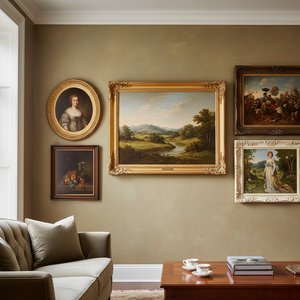
Journey through 18th & 19th century art! Explore iconic masterpieces by Monet, Van Gogh & more. Discover the stories behind these timeless paintings and find museum-quality reproductions for your home at Most-Famous-Paintings.com.
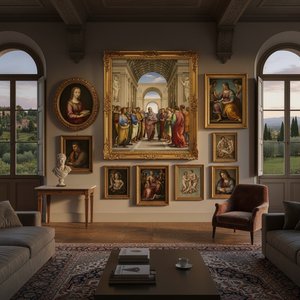
Uronite u svet Rafaela Sanzija! Otkrijte 25 remek-dela renesansnog umetnika, od Madona do fresaka Vatikana. Inspiracija za dekoraciju enterijera i kupovina reprodukcija slika visoke rezolucije na Most-Famous-Paintings.com.
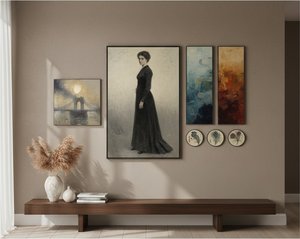
Istražite 25 remek-dela Džemsa Abota MekNila Whistler-a! Uronite u svet Tonalizma, portreta i prelepog pejzaža. Kupite vrhunske reprodukcije slika na Most-Famous-Paintings.com i obogatite svoj enterijer luksuznom umetnošću.

Uronite u svet Pierre-Auguste Renoara! Otkrijte 25 remek-dela impresionizma, priče iza slika i tehničke detalje. Reprodukcije vrhunskog kvaliteta za vaš dom dostupne na Most-Famous-Paintings.com. Istražite celu kolekciju online!


Budite u toku sa najnovijim vestima o umetnosti, ekskluzivnim ponudama i idejama za dekoraciju.
Recite nam o vašem projektu i naši stručnjaci za umetnost će vam pružiti 3 personalizovana predloga umetničkih dela.
Dozvolite nam da odaberemo 3 opcije specijalno za Vas - Besplatno!


 Pregledaj u prostoru
 Pošalji
 Podeli
 Detalji o delu

 Преузми
 Slični predmeti
 Rendgenski snimak
 Slajdovi
 Pročitaj više




































 Opcija sa staklom dostupna je samo za dimenzije manje od 110 cm


