x

Kupite digitalnu sliku visoke rezolucije i poboljšanog kvaliteta, koja je znatno superiornija od onoga što vidite u online prikazu.
Svaka datoteka je pedantno pripremljena od strane naših stručnjaka koristeći napredne alate i profesionalnu ručnu retušu. Osiguravamo da svaka slika ima izuzetnu oštrinu, preciznu reprodukciju boja i fine detalje.
Konačna datoteka se dostavlja putem e-pošte u roku od 72 sata, optimizovana za neposrednu upotrebu u profesionalnim, izdavačkim i štamparskim okruženjima. To je isti kvalitet kojem veruju vrhunski studiji dizajna, izdavači i galerije.
Preuzmite datoteku visoke rezolucije za ličnu upotrebu, štampanje i kreativne projekte. ( Kupi print Kupi ručno naslikanu sliku)
Kada odaberete Most-Famous-Paintings.com, ne dobijate samo sliku – vi primate profesionalno unapređeno digitalno umetničko delo, izrađeno sa najvećom preciznošću i uz garanciju zadovoljstva. Evo svega što automatski dolazi uz vašu porudžbinu:

Vaša digitalna slika visoke rezolucije biće vam poslata putem e-pošte u roku od 72 sata od poručivanja – spremna za trenutnu upotrebu.

Vaše umetničko delo je profesionalno optimizovano korišćenjem naprednih AI alata i ručne obrade, čime se osiguravaju maksimalni detalji, oštrina i preciznost boja.

Slučajno ste obrisali ili izgubili svoju datoteku? Ne brinite – poslaćemo vam je ponovo u bilo kom trenutku, potpuno besplatno.

Uživajte u svojim umetničkim delima trenutno, bez carine, dažbina ili troškova dostave – digitalni download je uvek bez poreza.

Uz pomoć profesionalnih alata i upravljanja bojama, osiguravamo da vaša digitalna slika što vernije odražava originalne boje.

Ako niste zadovoljni svojom digitalnom slikom, revidirat ćemo je ili vratiti 100% novca u roku od 60 dana – bez ikakvih pitanja.

Niste zadovoljni? Obezbedite pun povrat novca u roku od 60 dana od trenutka kada ste primili svoju digitalnu datoteku – bez suvišnih pitanja.

Kupite 3 slike, uštedite 10% - Kupite 5 slika, uštedite 15% - Kupite 10+ slika, uštedite 20%. Odlično za kreativne projekte, galerije i agencije.
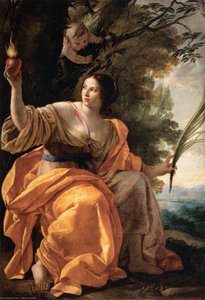
Simon Vouet's “Crucifixion,” painted around 1622, isn’t merely a depiction of a pivotal biblical event; it’s an immersion into profound grief and spiritual contemplation. This masterpiece, rendered in the burgeoning Baroque style that Vouet championed upon his return to France from Italy, transcends simple representation, aiming instead to evoke a visceral emotional response within the viewer. The painting immediately commands attention with its dramatic chiaroscuro – a masterful manipulation of light and shadow – which sculpts Christ’s body, emphasizing both its suffering and inherent divinity. It's a technique deeply indebted to Caravaggio, yet Vouet elevates it, imbuing the scene with an almost unbearable intensity.
The composition itself is carefully orchestrated. Christ, centrally positioned on the stark wooden cross, dominates the visual field, his posture conveying both agony and acceptance. Below him, a constellation of figures – Mary, her face etched with sorrow; John the Apostle, rendered in a state of bewildered grief; and other mourners – collectively amplify the sense of loss. Vouet skillfully employs pyramidal structure, drawing the eye upwards to Christ’s figure while simultaneously anchoring it within this sea of mourning. The use of diagonals, particularly in the drapery and the figures' postures, creates a dynamic tension that mirrors the emotional turmoil at the heart of the scene.
Vouet’s journey to Rome represents a crucial turning point in his artistic development. During his decade-long sojourn in Italy, he absorbed the innovations of the High Renaissance and early Baroque – the dramatic lighting, the emotional intensity, and the dynamic compositions championed by artists like Caravaggio, Annibale Carracci, and Guido Reni. He meticulously studied their techniques, not simply copying them, but adapting them to his own sensibilities and incorporating them into a distinctly French style. His time in Venice, particularly, exposed him to Venetian color palettes and compositional strategies that profoundly influenced his work.
Returning to France in 1627, Vouet was immediately appointed Premier peintre du Roi by Louis XIII. This prestigious position afforded him unprecedented access to royal commissions, allowing him to shape the artistic landscape of the court and introduce the Baroque aesthetic to a wider audience. He wasn’t just painting for royalty; he was actively translating Italian artistic trends into a distinctly French idiom, bridging the gap between two cultures and establishing a new standard for visual art in France.
Beyond its technical brilliance, “Crucifixion” is rich with symbolic meaning. The crucifixion itself represents sacrifice, redemption, and the ultimate act of divine love – core tenets of Christian faith. The weeping figures embody humanity’s sorrow in response to this profound loss. Mary's grief is particularly poignant, reflecting not only her personal tragedy but also the suffering of all humankind. The dark, stormy sky serves as a backdrop for this drama, symbolizing despair and impending doom.
Furthermore, the painting subtly references classical iconography. Christ’s posture echoes depictions of Roman martyrs, connecting his sacrifice to a broader tradition of heroic endurance. The careful attention to detail – from the texture of Christ's skin to the folds of the drapery – elevates the scene beyond mere illustration, transforming it into a powerful meditation on faith, suffering, and hope.
Created primarily with oil paints on canvas, “Crucifixion” demonstrates Vouet’s mastery of technique. He employed layering glazes to achieve rich colors and luminous effects, while utilizing meticulous brushwork to capture the nuances of texture – the rough grain of the wood, the flowing fabric, and the delicate contours of human faces. The painting's enduring appeal lies not only in its aesthetic beauty but also in its ability to evoke a profound emotional response. It’s a testament to Vouet’s skill as an artist and his deep understanding of the power of visual storytelling – a work that continues to resonate with viewers centuries after its creation.

Симон Вуе је био кључна фигура у преласку француске живописи из манераizma ка барочном стилу. Рођен у umetničkoj породици – његов отац Лоран беше сликар, а брат Обен такође се бавио уметношћу – Вуе је добио рано образовање које је заложило темеље за његољски успех. Нијеком, Лудовико Дорињи, наставиће породичну уметничку наследницу.
Током свог италијанског боравка, Вуе је апсорбовао различит спектар утицаја. Изучио је драматичне технике осветљења које су пионерирао Караваџо, усвајивши елементе италијанског манераizma, а са посебном пажњом анализирао палете боја и di sotto in su (перспектива испод и изнад) које је користио Паоло Веронезе. Такође се инспирисао радовима Карачија, Гуерцина, Ланфранка и Гуидо Рени, синтетишући ове различите стилове у јединствену umetničку визију.
Наслеђе Симона Вуеа почива на његовој кључној uloци као моста између италијанске и француске уметности. Успешно је увозио динамику и великолепије италијанског барока, претварајући га у стил који је резоновао са укусима француског двора и аристократије. Његов утицај је несумњив у развоју француске живописи током 17. века, а његови доприноси данас се и даље препознају код историчара уметности.

1590 - 1649 , Francuska


Budite u toku sa najnovijim vestima o umetnosti, ekskluzivnim ponudama i idejama za dekoraciju.
Recite nam o vašem projektu i naši stručnjaci za umetnost će vam pružiti 3 personalizovana predloga umetničkih dela.
Dozvolite nam da odaberemo 3 opcije specijalno za Vas - Besplatno!


 Pregledaj u prostoru
 Pošalji
 Podeli
 Detalji o delu

 Преузми
 Slični predmeti
 Rendgenski snimak
 Slajdovi

 Pročitaj više