x

Ručno oslikano uljanim bojama na platnu u dimenzijama i okviru po vašem izboru, izrađeno po porudžbini od strane naših umetnika. ( Kupi print Kupi digitalnu sliku)





























Izaberite jednu od naših unapred definisanih veličina koje odgovaraju originalnim proporcijama umetničkog dela.

Можете унети сопствене димензије како бисте прилагодили дело одређеном оквиру или простору. Ако одабрана величина не одговара пропорцијама оригинала, слика ће бити исечена или проширена додатним елементима који се ручно насликавају. Дигитални prikaz ће вам бити послат на одобрење пре почетка производње.
Имајте на уму да преглед на екрану не одражава стварно исецање или проширење. Само приказ (mockup) ће тачно приказати коначну композицију.
Иако су доступне прилагођене величине, препоручујемо да одаберете димензију из дефинисане листе како бисте сачували оригиналне пропорције.
Isporuka širom sveta () za 3/4 nedelje umesto uobičajenih 5 nedelja. (16 август). Bez kompromisa po pitanju kvaliteta.


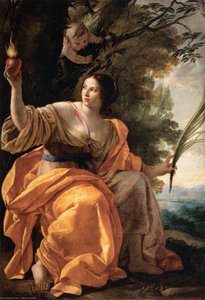
Venus and Adonis
Dimenzije reprodukcije
Simon Vouet’s “Venus and Adonis,” painted in 1642, is a striking example of French Baroque art, showcasing the artist’s mastery of color, composition, and his assimilation of Italian artistic trends. This evocative scene depicts the poignant moment from Ovid's *Metamorphoses* where the mortal Adonis, captivated by hunting, rejects Venus’s advances, foreshadowing his tragic demise. The painting isn't merely a depiction of mythology; it's an exploration of love, desire, and mortality rendered with remarkable sensitivity.
Vouet, having spent over a decade in Italy (particularly Rome), was instrumental in introducing the dynamic energy and dramatic lighting characteristic of Italian Baroque painting to France. This work exemplifies that influence. Observe how Vouet utilizes tenebrism – the strong contrast between light and dark – to heighten the emotional intensity of the scene. The figures emerge from a shadowy forest setting, illuminated by strategically placed light sources that emphasize their forms and expressions. His brushwork is fluid and graceful, particularly evident in the rendering of Venus’s flowing drapery and Adonis' muscular physique. Vouet’s technique demonstrates a keen understanding of anatomy and perspective, hallmarks of his training within the Italian artistic milieu.
The 17th century was a period of significant artistic transition in France. While earlier French art often leaned towards Mannerism, Vouet’s work signaled a shift toward the more dynamic and emotionally charged style of the Baroque. His return to Paris in 1627 as “Premier Peintre du Roi” (First Painter to the King) marked a pivotal moment in French artistic history. The painting reflects the aristocratic tastes of the time, with its focus on mythological subjects and refined elegance. Vouet drew inspiration from masters like Caravaggio for his dramatic lighting and Paolo Veronese for his vibrant color palette and compositional complexity. The presence of animals—birds and dogs—adds a touch of naturalism and further enriches the scene's narrative.
Beyond its surface beauty, “Venus and Adonis” is rich in symbolism. Venus, the goddess of love and beauty, represents desire and passion. Adonis, the hunter, embodies youthful vigor and a preoccupation with earthly pursuits. His rejection of Venus foreshadows his tragic death by a wild boar – a symbol of uncontrolled passions and mortality. The surrounding forest setting contributes to the painting’s melancholic atmosphere, hinting at the fleeting nature of beauty and love. The overall emotional impact is one of poignant longing and impending loss; a sense of bittersweet beauty permeates the scene, inviting contemplation on the ephemeral qualities of life and affection.
Simon Vouet’s “Venus and Adonis” offers a captivating glimpse into 17th-century French Baroque art. Its masterful technique, rich symbolism, and emotional depth make it an enduring masterpiece. A hand-painted reproduction of this artwork will bring a touch of classical elegance and dramatic flair to any interior space—whether adorning a grand salon or adding sophistication to a more intimate setting. It’s a conversation starter, a source of inspiration, and a testament to the power of art to evoke profound emotions.

Симон Вуе је био кључна фигура у преласку француске живописи из манераizma ка барочном стилу. Рођен у umetničkoj породици – његов отац Лоран беше сликар, а брат Обен такође се бавио уметношћу – Вуе је добио рано образовање које је заложило темеље за његољски успех. Нијеком, Лудовико Дорињи, наставиће породичну уметничку наследницу.
Током свог италијанског боравка, Вуе је апсорбовао различит спектар утицаја. Изучио је драматичне технике осветљења које су пионерирао Караваџо, усвајивши елементе италијанског манераizma, а са посебном пажњом анализирао палете боја и di sotto in su (перспектива испод и изнад) које је користио Паоло Веронезе. Такође се инспирисао радовима Карачија, Гуерцина, Ланфранка и Гуидо Рени, синтетишући ове различите стилове у јединствену umetničку визију.
Наслеђе Симона Вуеа почива на његовој кључној uloци као моста између италијанске и француске уметности. Успешно је увозио динамику и великолепије италијанског барока, претварајући га у стил који је резоновао са укусима француског двора и аристократије. Његов утицај је несумњив у развоју француске живописи током 17. века, а његови доприноси данас се и даље препознају код историчара уметности.

1590 - 1649 , Francuska

Explore the life & art of Charles Le Brun, master of French Baroque Classicism. Discover his royal commissions, influence on Versailles, and enduring legacy through detailed analysis & stunning artworks.

Explore the dramatic world of Baroque Realism! Discover iconic artists like Caravaggio & Rubens, their techniques, and the movement's lasting impact on art history. Expert insights for collectors & enthusiasts.

Explore the captivating history of mythological narratives in Western art! From ancient Greece to modern masterpieces, discover iconic artworks & symbolism. Expert analysis and high-quality reproductions at Most-Famous-Paintings.

Explore the life & art of Simon Vouet, a pivotal French Baroque painter who introduced Italian styles to France. Discover his masterpieces and lasting influence on 17th-century art.

Explore the dramatic world of Baroque art! Discover iconic masters like Caravaggio & Rembrandt, their techniques, and the movement's lasting impact. Expert insights for collectors & enthusiasts at Most-Famous-Paintings.


Budite u toku sa najnovijim vestima o umetnosti, ekskluzivnim ponudama i idejama za dekoraciju.
Recite nam o vašem projektu i naši stručnjaci za umetnost će vam pružiti 3 personalizovana predloga umetničkih dela.
Dozvolite nam da odaberemo 3 opcije specijalno za Vas - Besplatno!


 Pregledaj u prostoru
 Pošalji
 Podeli
 Detalji o delu

 Преузми
 Slični predmeti
 Rendgenski snimak
 Slajdovi


 Pročitaj više







 Opcija sa staklom dostupna je samo za dimenzije manje od 110 cm