x

 Oil On PanelAbstract Expressionism
 1926Modern
 32.0 x 40.0 cm
Giclée štampa ili print na platnu muzejskog kvaliteta uz brzu proizvodnju i fleksibilne opcije završne obrade. ( Switch to hand made Painting Switch to Image)





























Izaberite jednu od naših unapred definisanih veličina koje odgovaraju originalnim proporcijama umetničkog dela.

Možete uneti sopstvene dimenzije kako biste umetničko delo prilagodili specifičnom okviru ili prostoru. Ako odabrani format ne odgovara proporcijama originalne slike, mi ćemo ili iscrtati deo dela ili proširiti sliku pomoću ogledane ivice ili jednobojnog popunjavanja. Digitalni prikaz će vam biti poslat na odobrenje pre početka proizvodnje.
Imajte na umu da pregled na ekranu ne odražava stvarno iscrtavanje ili proširivanje. Samo će prikaz (mockup) precizno pokazati finalnu kompoziciju.
Iako su prilagođene dimenzije dostupne, preporučujemo da odaberete dimenziju sa unapred definisane liste kako biste očuvali originalne proporcije.
Dostava širom sveta () za 2 nedelje umesto uobičajenih 4/5 nedelja. (29 јул)


Development
Dimenzije reprodukcije
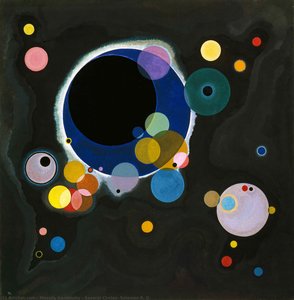
Wassily Kandinsky's "Development," painted in 1926, isn’t merely a depiction of a sun; it’s an immersive experience—a visual embodiment of the artist’s revolutionary approach to abstraction. This panel painting, measuring just 32 x 40 cm, pulsates with a vibrant energy that belies its modest size. It's a work deeply rooted in Kandinsky’s evolving philosophy of art, where color and form are not tools for representing external reality but rather instruments for expressing inner emotions and spiritual states. The painting immediately draws the eye to the central sun, a radiant sphere radiating outwards with dynamic rays—a visual metaphor for burgeoning life, creative force, or perhaps even the dawn of consciousness. The deliberate ambiguity of whether this is a rising or setting sun adds a layer of dynamism, suggesting perpetual movement and transformation – a core tenet of Kandinsky’s artistic vision.
Beyond the central motif, “Development” unfolds with a carefully orchestrated composition. A prominent triangle anchors the left side, providing a sense of stability and grounding amidst the swirling energy. Smaller triangles punctuate the background, creating a subtle yet effective visual rhythm that guides the viewer’s eye through the painting's layers. These geometric elements aren’t simply decorative; they contribute to Kandinsky’s belief in the inherent relationships between shapes and colors – a system he meticulously explored throughout his career. The bold use of color—a rich tapestry of yellows, oranges, reds, and blues—is not haphazard; each hue is carefully chosen for its psychological impact, contributing to the painting's overall emotional resonance. Kandinsky believed that color possessed an independent existence, capable of evoking feelings and sensations without relying on representational imagery.
To fully appreciate “Development,” it’s crucial to understand its place within the broader context of early 20th-century art. Kandinsky was a pivotal figure in the development of abstract art, pushing beyond representational forms and exploring the purely expressive potential of color and shape. His work profoundly influenced artists like Jock Macdonald, a key proponent of abstract expressionism in Canada, demonstrating the international impact of Kandinsky’s innovations. The painting emerged during a period of intense experimentation within the art world, particularly at the Bauhaus school where Kandinsky taught. This era was characterized by a desire to break free from traditional artistic conventions and embrace new modes of visual communication.
Interestingly, “Development” reflects Kandinsky’s evolving theories about the relationship between art and music. He famously compared painting to composing music, arguing that both disciplines relied on similar principles – rhythm, harmony, and emotional expression. The dynamic interplay of colors and shapes in "Development" mirrors the structure and flow of a musical composition, creating a visual equivalent of sound.
Kandinsky’s use of color is far from arbitrary; it's laden with symbolic meaning. Yellow, often associated with optimism and energy, dominates the central sun, radiating outwards to illuminate the composition. Red evokes passion and intensity, while blue represents spirituality and introspection. The careful juxtaposition of these colors creates a complex emotional landscape within the painting – a visual representation of inner experience. Kandinsky believed that color could directly affect the viewer’s emotions, bypassing rational thought altogether. He sought to create paintings that would evoke specific feelings in the audience, acting as a conduit for spiritual insight.
“Development” is not just a historical artifact; it remains a powerfully evocative work of art today. The Fitzwilliam Museum in Cambridge holds several important Kandinsky pieces, but this particular painting isn’t part of their permanent collection. However, its significance as a cornerstone of abstract art continues to be recognized and celebrated worldwide. Most-Famous-Paintings offers meticulously crafted oil painting reproductions that allow art enthusiasts to experience the beauty and complexity of “Development” firsthand. By investing in a reproduction, you're not simply acquiring an image; you’re gaining access to a profound artistic vision—a testament to Kandinsky’s pioneering spirit and his enduring influence on the world of art.
For those seeking further exploration into Kandinsky’s work, we encourage you to visit Most-Famous-Paintings to discover other remarkable reproductions from this visionary artist, including “Improvisation 26 (Oars)” and “Several Circles.”


1866 - 1944 , Русија
Journey through Wassily Kandinsky's 25 most iconic abstract paintings. Explore his revolutionary use of color, form & spiritual expressionism. Find museum-quality Kandinsky reproductions and elevate your home decor with Most-Famous-Paintings.com. Discover all masterpieces on Most-Famous-Paintings.com!
Uronite u svet Henri Matissea! Istražite 25 remek-dela Fauvizma i moderne umetnosti. Otkrijte priče iza slika, tehnike i inspiraciju slavnog francuskog slikara. Reprodukcije vrhunskog kvaliteta dostupne na Most-Famous-Paintings.com.

Uronite u svet Claudea Moneta sa 25 remek-dela impresionizma! Otkrijte priče iza poznatih slika, tehnike i inspiraciju. Reprodukcije vrhunskog kvaliteta za luksuzni dekor doma na Most-Famous-Paintings.com.
Istražite 25 remek-dela Paula Cézanna, revolucionarnog slikara impresionizma i postimpresionizma. Otkrijte priče iza ikoničnih pejzaža, portreta i mrtve prirode. Kupite luksuzne reprodukcije slika na Most-Famous-Paintings.com!
Explore 10 legendary 'Oil on Board' masterpieces by Van Gogh, Monet & more! Discover art history, iconic styles like Impressionism, and find museum-quality reproductions to elevate your home decor. Explore the full collection online at Most-Famous-Paintings.com.


Budite u toku sa najnovijim vestima o umetnosti, ekskluzivnim ponudama i idejama za dekoraciju.
Recite nam o vašem projektu i naši stručnjaci za umetnost će vam pružiti 3 personalizovana predloga umetničkih dela.
Dozvolite nam da odaberemo 3 opcije specijalno za Vas - Besplatno!


 Pošalji
 Podeli
 Detalji o delu

 Преузми
 Slični predmeti
 Slajdovi
 Pročitaj više







 Opcija sa staklom dostupna je samo za dimenzije manje od 110 cm