x

 Oil On CanvasWallArtAbstract Art
 1930Modern
 70.0 x 60.0 cm
Giclée štampa ili print na platnu muzejskog kvaliteta uz brzu proizvodnju i fleksibilne opcije završne obrade. ( Kupi ručno naslikanu sliku Kupi digitalnu sliku)





























Izaberite jednu od naših unapred definisanih veličina koje odgovaraju originalnim proporcijama umetničkog dela.

Možete uneti sopstvene dimenzije kako biste umetničko delo prilagodili specifičnom okviru ili prostoru. Ako odabrani format ne odgovara proporcijama originalne slike, mi ćemo ili iscrtati deo dela ili proširiti sliku pomoću ogledane ivice ili jednobojnog popunjavanja. Digitalni prikaz će vam biti poslat na odobrenje pre početka proizvodnje.
Imajte na umu da pregled na ekranu ne odražava stvarno iscrtavanje ili proširivanje. Samo će prikaz (mockup) precizno pokazati finalnu kompoziciju.
Iako su prilagođene dimenzije dostupne, preporučujemo da odaberete dimenziju sa unapred definisane liste kako biste očuvali originalne proporcije.
Dostava širom sveta () za 2 nedelje umesto uobičajenih 4/5 nedelja. (18 август)


Three Rectangles
Dimenzije reprodukcije
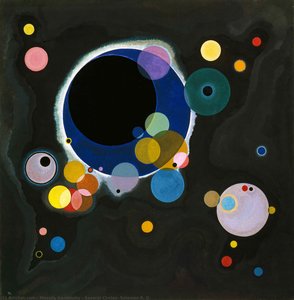
Wassily Kandinsky’s “Three Rectangles,” painted in 1930, isn't merely a depiction of geometric forms; it’s an invitation to a deeply personal and profoundly moving experience. This seminal work from the heart of his abstract period embodies the core tenets of Kandinsky’s revolutionary approach to art – that color and shape could directly communicate emotion and meaning, bypassing the need for representational imagery. The painting, measuring 70 x 60 cm, is a testament to his belief in the power of pure abstraction, a philosophy he meticulously developed over decades of experimentation.
Kandinsky’s palette for “Three Rectangles” is both restrained and intensely vibrant. He masterfully employs a carefully considered selection of hues – the assertive reds, the cool blues, the sunny yellows, the delicate pinks, and the warm oranges – each chosen not just for its visual appeal but for its capacity to evoke specific emotional responses. The rectangles themselves aren’t static; they seem to pulse with an internal energy, their placement within the composition creating a dynamic interplay of space and movement. Notice how the red rectangle, often associated with passion and vitality, dominates the center, drawing the eye while simultaneously suggesting a grounding force. The blue and yellow rectangles, positioned on either side, offer counterpoints – a sense of serenity alongside energetic dynamism.
Kandinsky’s approach to composition in “Three Rectangles” is radically different from traditional Western painting. He deliberately eschewed the illusionistic techniques of perspective and realism, instead focusing on the inherent qualities of color and shape themselves. The rectangles aren't placed within a defined space; rather, they exist as independent entities, interacting with each other through their colors and relationships. This creates an almost three-dimensional effect, inviting the viewer to step into the painting and experience it from multiple perspectives. The subtle variations in size and orientation of the rectangles contribute to this sense of depth and complexity, suggesting a carefully orchestrated balance between order and chaos.
While Kandinsky famously declared that he sought to paint “the purely spiritual,” the symbolism within "Three Rectangles" remains open to interpretation. Some scholars suggest the rectangles represent musical notes, reflecting Kandinsky’s lifelong fascination with music and his belief in its inherent connection to art. Others see them as symbols of human emotions – red for passion, blue for contemplation, yellow for joy. Regardless of a definitive reading, the painting undeniably taps into universal emotional experiences, resonating with viewers on a deeply intuitive level. It's crucial to remember that Kandinsky wasn’t aiming to depict a concrete scene; he was striving to translate inner states and feelings onto canvas.
The painting is presented within a frame, an element that subtly enhances its impact. The frame isn't merely decorative; it serves as a visual boundary, framing the composition and drawing attention to the interplay of colors and shapes. Kandinsky’s work profoundly influenced subsequent generations of artists, paving the way for abstract expressionism and other non-representational movements. “Three Rectangles” stands as a cornerstone of this legacy, demonstrating his pioneering spirit and his unwavering commitment to exploring the expressive potential of pure abstraction. Today, reproductions of this iconic piece continue to captivate audiences worldwide, offering a glimpse into the visionary mind of one of art history’s most influential figures. For those seeking to bring Kandinsky's evocative vision into their own spaces, Most-Famous-Paintings offers high-quality reproductions that faithfully capture the essence of this remarkable painting.


1866 - 1944 , Русија

Explore the profound impact of Minimalism and Geometric Abstraction. From Mondrian to Malevich, discover how stripping art to its essential forms revolutionized modern aesthetics through our expert-led historical guide.


Budite u toku sa najnovijim vestima o umetnosti, ekskluzivnim ponudama i idejama za dekoraciju.
Recite nam o vašem projektu i naši stručnjaci za umetnost će vam pružiti 3 personalizovana predloga umetničkih dela.
Dozvolite nam da odaberemo 3 opcije specijalno za Vas - Besplatno!


 Pregledaj u prostoru
 Pošalji
 Podeli
 Detalji o delu

 Преузми
 Slični predmeti
 Rendgenski snimak
 Slajdovi
 Pročitaj više







 Opcija sa staklom dostupna je samo za dimenzije manje od 110 cm




![Stroyuschiysya Dom [house Under Construction] — Казимир Малевић, Suprematism](/media/artworks/images/thumbnails/b4/ce/b4ce5fe6293f433c86e0a4cb029aa5bd.jpg)