x

Giclée štampa ili print na platnu muzejskog kvaliteta uz brzu proizvodnju i fleksibilne opcije završne obrade. ( Kupi ručno naslikanu sliku Kupi digitalnu sliku)





























Izaberite jednu od naših unapred definisanih veličina koje odgovaraju originalnim proporcijama umetničkog dela.

Možete uneti sopstvene dimenzije kako biste umetničko delo prilagodili specifičnom okviru ili prostoru. Ako odabrani format ne odgovara proporcijama originalne slike, mi ćemo ili iscrtati deo dela ili proširiti sliku pomoću ogledane ivice ili jednobojnog popunjavanja. Digitalni prikaz će vam biti poslat na odobrenje pre početka proizvodnje.
Imajte na umu da pregled na ekranu ne odražava stvarno iscrtavanje ili proširivanje. Samo će prikaz (mockup) precizno pokazati finalnu kompoziciju.
Iako su prilagođene dimenzije dostupne, preporučujemo da odaberete dimenziju sa unapred definisane liste kako biste očuvali originalne proporcije.
Dostava širom sveta () za 2 nedelje umesto uobičajenih 4/5 nedelja. (19 август)


A Tree in Naples
Dimenzije reprodukcije
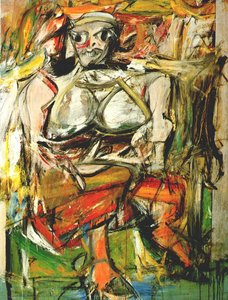
“A Tree in Naples,” created by Willem de Kooning in 1960, is a captivating example of Abstract Expressionism. This piece belongs to a series inspired by landscapes, marking a shift in De Kooning’s artistic focus towards capturing the essence of nature rather than literal representation. De Kooning described his inspiration: "Just coming around roads, some place, and having the sensation of a piece of it, a piece of nature, like a fence, something on the road. And I really get very elated by again looking, by again seeing that the sky is blue, that the grass is green.” This sentiment reveals a deep connection with the natural world and a desire to translate its feeling into visual form.
The painting doesn’t depict a tree in a traditional sense. Instead, De Kooning employs broad, heavy brushstrokes and vibrant colors—blues, reds, whites, blacks, and hints of yellow—to evoke the sensation of landscape. The technique is characteristic of Abstract Expressionism, prioritizing the artist's emotional response and process over precise depiction. Visible strokes and splatters contribute to its expressive nature. De Kooning utilized a palette knife in some areas, creating texture and depth. This approach aligns with the core principles of Abstract Expressionism, where the artist’s emotions and experiences are translated into visual expressions.
“A Tree in Naples” emerged during a pivotal period in art history – the post-World War II era. Abstract Expressionism was gaining prominence as the first major American modern art movement, centered around artists like Jackson Pollock, Elaine de Kooning, Lee Krasner, and Franz Kline—collectively known as the New York School. This movement rejected traditional representational forms, emphasizing spontaneous gesture, subjective emotion, and large-scale canvases. De Kooning’s work reflects this shift away from realism towards a more personal and expressive form of art.
While devoid of recognizable imagery, “A Tree in Naples” evokes a powerful emotional response. The dynamic interplay of color and line creates a sense of movement and vitality, suggesting the energy of nature. The painting isn't about depicting a specific tree; it’s about conveying the *feeling* of being immersed in a landscape—the light, the air, the overall sensory experience. It invites viewers to interpret the work subjectively, finding their own meaning within its abstract forms. The simplification of visual vocabulary and expansive brushstrokes create an immersive experience for the viewer.


1904 - 1997 , Holandija

Otkrijte 10 remek dela koja su definisala apstraktni ekspresionizam! Istražite dela Pola Krausa, Džejson Poloka i drugih. Saznajte priče iza umetnosti i inspirisanje za dekoraciju doma. Eksplorirajte kolekciju na Most-Famous-Paintings.com!
Istražite 25 remek-dela Francisca Goya, španskog slikara romantizma i impresionizma. Portreti, tamne slike & istorija umetnosti na Most-Famous-Paintings.com! Kupite reprodukcije slika vrhunskog kvaliteta za dekoraciju enterijera. Otkrijte celu kolekciju online.

APS ofrece reproducciones de bellas artes y encargos personalizados desde 2004. Confían en nosotros corporaciones, hoteles y coleccionistas selectos para obras de arte de calidad museística, servicio discreto y soluciones artísticas completas. ¡Póngase en contacto con nosotros para obtener un presupuesto personalizado!

Explore the evolution of Willem de Kooning's iconic Abstract Expressionist paintings. Discover his signature style, key themes & investment potential with expert insights for discerning art collectors.

Explore the profound emotional world of Abstract Expressionism with Most-Famous-Paintings. Discover key artists like Pollock & Rothko, learn about collecting, and find museum-quality reproductions to inspire your space.


Budite u toku sa najnovijim vestima o umetnosti, ekskluzivnim ponudama i idejama za dekoraciju.
Recite nam o vašem projektu i naši stručnjaci za umetnost će vam pružiti 3 personalizovana predloga umetničkih dela.
Dozvolite nam da odaberemo 3 opcije specijalno za Vas - Besplatno!


 Pregledaj u prostoru
 Pošalji
 Podeli
 Detalji o delu

 Преузми
 Slični predmeti
 Rendgenski snimak
 Slajdovi

 Pročitaj više







 Opcija sa staklom dostupna je samo za dimenzije manje od 110 cm