x

Giclée štampa ili print na platnu muzejskog kvaliteta uz brzu proizvodnju i fleksibilne opcije završne obrade. ( Kupi ručno naslikanu sliku Kupi digitalnu sliku)





























Izaberite jednu od naših unapred definisanih veličina koje odgovaraju originalnim proporcijama umetničkog dela.

Možete uneti sopstvene dimenzije kako biste umetničko delo prilagodili specifičnom okviru ili prostoru. Ako odabrani format ne odgovara proporcijama originalne slike, mi ćemo ili iscrtati deo dela ili proširiti sliku pomoću ogledane ivice ili jednobojnog popunjavanja. Digitalni prikaz će vam biti poslat na odobrenje pre početka proizvodnje.
Imajte na umu da pregled na ekranu ne odražava stvarno iscrtavanje ili proširivanje. Samo će prikaz (mockup) precizno pokazati finalnu kompoziciju.
Iako su prilagođene dimenzije dostupne, preporučujemo da odaberete dimenziju sa unapred definisane liste kako biste očuvali originalne proporcije.
Dostava širom sveta () za 2 nedelje umesto uobičajenih 4/5 nedelja. (16 август)


Excavation
Dimenzije reprodukcije
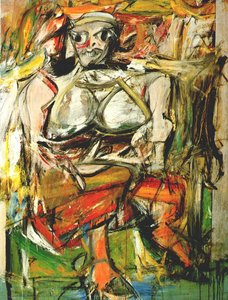
Willem de Kooning's 1950 masterpiece, *Excavation*, is not merely a painting; it’s an excavation—a visceral unearthing of form and feeling. Housed at the Art Institute of Chicago, this monumental work stands as a pivotal moment in the evolution of Abstract Expressionism, marking a decisive break from traditional representation and plunging into the depths of the artist's internal world. More than just an abstract composition, *Excavation* feels like witnessing a primal act of creation and destruction simultaneously, a ‘digging’ into the subconscious rendered visible through layers of paint and embedded collage elements.
De Kooning boldly rejects conventional artistic boundaries in *Excavation*. The canvas explodes with an energetic and chaotic application of oil paint. He doesn't gently apply color; he builds, scrapes, and assaults the surface with broad, sweeping brushstrokes, creating a heavily textured impasto that almost leaps from the canvas. Embedded within this swirling vortex are strips of paper and newsprint – fragments of reality collaged into the abstract landscape, hinting at memories or external influences absorbed and transformed by the artist’s process. The color palette is deliberately muted, dominated by creams, beiges, and pale yellows, evoking a sense of archaeological discovery—as if uncovering remnants of something ancient and lost. The absence of clear lines or defined shapes isn't an omission; it’s an invitation. De Kooning compels the viewer to engage with the painting on a purely emotional and sensory level, bypassing intellectual analysis in favor of direct experience.
Created in the aftermath of World War II, *Excavation* embodies the spirit of the New York School. This influential group of artists – including Jackson Pollock, Mark Rothko, and Franz Kline – shifted the center of the art world from Paris to New York, prioritizing spontaneous gesture, subjective expression, and a rejection of established artistic conventions. Abstract Expressionism wasn’t about depicting *what* was seen, but rather *how* it felt to be alive in a rapidly changing world grappling with existential anxieties. De Kooning's work, while fiercely individual, shared this commitment to emotional honesty and formal innovation. The painting reflects the collective unease and searching for meaning that characterized the post-war era, a period of profound social and psychological upheaval.
While resolutely abstract, *Excavation* isn’t devoid of suggestive power. The very title implies a process of uncovering—revealing hidden layers both literally within the painting's collage elements and metaphorically within the human psyche. Critics have often interpreted the fragmented forms as allusions to the female figure, a recurring motif in De Kooning’s work, though he consistently resisted definitive interpretations. Perhaps this ambiguity is intentional, allowing for multiple readings and personal connections. The overall impression is one of dynamic tension—a struggle between order and chaos, construction and destruction. *Excavation* can be seen as a visual representation of memory, trauma, or the complexities of human experience. It isn’t a comfortable painting; it's challenging, unsettling, and profoundly moving. Its power lies in its ability to bypass intellectual analysis and connect directly with the viewer’s emotions, evoking feelings of unease, energy, and even violence. It remains a powerful statement about the human condition—our capacity for both creation and destruction, beauty and chaos.


1904 - 1997 , Holandija

Explore the profound history and emotional depth of Abstract Expressionism. From Jackson Pollock to Mark Rothko, master the nuances of the New York School through our expert art history guide. Discover museum-quality hand-painted reproductions for your collection.


Budite u toku sa najnovijim vestima o umetnosti, ekskluzivnim ponudama i idejama za dekoraciju.
Recite nam o vašem projektu i naši stručnjaci za umetnost će vam pružiti 3 personalizovana predloga umetničkih dela.
Dozvolite nam da odaberemo 3 opcije specijalno za Vas - Besplatno!


 Pregledaj u prostoru
 Pošalji
 Podeli
 Detalji o delu

 Преузми
 Slični predmeti
 Rendgenski snimak
 Slajdovi

 Pročitaj više







 Opcija sa staklom dostupna je samo za dimenzije manje od 110 cm