x

 Acrylic On CanvasWallArtAbstract Expressionism
 1949
1949 46.0 x 51.0 cm
Ručno oslikano uljanim bojama na platnu u dimenzijama i okviru po vašem izboru, izrađeno po porudžbini od strane naših umetnika. ( Kupi print Kupi digitalnu sliku)





























Izaberite jednu od naših unapred definisanih veličina koje odgovaraju originalnim proporcijama umetničkog dela.

Можете унети сопствене димензије како бисте прилагодили дело одређеном оквиру или простору. Ако одабрана величина не одговара пропорцијама оригинала, слика ће бити исечена или проширена додатним елементима који се ручно насликавају. Дигитални prikaz ће вам бити послат на одобрење пре почетка производње.
Имајте на уму да преглед на екрану не одражава стварно исецање или проширење. Само приказ (mockup) ће тачно приказати коначну композицију.
Иако су доступне прилагођене величине, препоручујемо да одаберете димензију из дефинисане листе како бисте сачували оригиналне пропорције.
Isporuka širom sveta () za 3/4 nedelje umesto uobičajenih 5 nedelja. (17 август). Bez kompromisa po pitanju kvaliteta.


Zot
Dimenzije reprodukcije
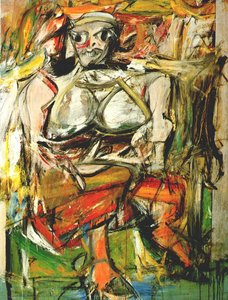
Willem de Kooning's "Zot," painted in 1949, isn’t merely a painting; it’s an embodiment of the fervor and uncertainty that characterized the height of Abstract Expressionism. This monumental canvas—measuring 46 x 51 cm—immediately confronts the viewer with a landscape dominated by stark white space punctuated by bursts of energetic pigment. It's a visual declaration of spontaneity, rejecting traditional representational conventions in favor of conveying raw emotion and psychological depth.
The painting’s compositional strategy defies easy categorization. Rather than adhering to linear perspective or establishing a discernible horizon line, De Kooning employs an all-over design where shapes overlap and intersect, creating a mesmerizing dance of visual complexity. Thick impasto—heavy application of paint—dominates much of the surface, punctuated by drips and splatters that seem to defy gravity. This technique isn’t about meticulous control; it's about allowing chance to guide the artist’s hand, resulting in textures that are palpably alive.
Despite its apparent lack of color, “Zot” possesses a subtle chromatic richness. Predominantly white serves as the foundational backdrop, subtly shifting hues through tonal variations achieved with black, grey, and fleeting touches of ochre yellow. These colors aren’t blended harmoniously; instead, they are layered and juxtaposed to generate tension and provoke contemplation. The muted palette contributes significantly to the painting's emotional impact—a feeling of unease mingled with exhilaration—reflecting the anxieties prevalent during the postwar period.
Lines in “Zot” are not descriptive; they’re expressive. Bold, sweeping strokes wrestle for dominance across the canvas, while thinner scribbles weave intricate patterns beneath them. Shapes— amorphous and fragmented—lack recognizable forms, resembling organic growths rather than geometric solids. This deliberate rejection of form underscores De Kooning's commitment to conveying emotion directly through gesture – capturing the artist’s subconscious impulses on a monumental scale.
Created during the Second World War and immediately following its conclusion, “Zot” speaks to the profound psychological upheaval experienced by artists grappling with trauma and disillusionment. The title itself—a nonsensical word—adds another layer of intrigue, suggesting a playful defiance of logic and inviting viewers to engage in an imaginative dialogue. As exemplified by The Metropolitan Museum of Art’s detailed analysis, De Kooning's work stands as a testament to the transformative power of abstraction – prioritizing feeling over representation and cementing his place among the titans of 20th-century art.

1904 - 1997 , Holandija
Explore the profound emotional depth of Lyrical Abstraction. Discover how masters like Raymond Parker used color and form to bridge Impressionism and Abstract Expressionism. Learn about this pivotal movement through our expert-led art history guide.

Explore the profound emotional depth of Color Field painting. Discover the history of mid-century abstraction, from Rothko to Newman, and learn how pure color transforms the viewer's experience through our expert art history guide.

Explore the profound history and emotional depth of Abstract Expressionism. From Jackson Pollock to Mark Rothko, master the nuances of the New York School through our expert art history guide. Discover museum-quality hand-painted reproductions for your collection.


Budite u toku sa najnovijim vestima o umetnosti, ekskluzivnim ponudama i idejama za dekoraciju.
Recite nam o vašem projektu i naši stručnjaci za umetnost će vam pružiti 3 personalizovana predloga umetničkih dela.
Dozvolite nam da odaberemo 3 opcije specijalno za Vas - Besplatno!


 Pregledaj u prostoru
 Pošalji
 Podeli
 Detalji o delu

 Преузми
 Slični predmeti
 Rendgenski snimak
 Slajdovi
 Pročitaj više







 Opcija sa staklom dostupna je samo za dimenzije manje od 110 cm