


x

 Oil On CanvasWallArtAmerican Realism
 1873
1873 25.0 x 61.0 cm
Giclée štampa ili print na platnu muzejskog kvaliteta uz brzu proizvodnju i fleksibilne opcije završne obrade. ( Kupi ručno naslikanu sliku Kupi digitalnu sliku)





























Izaberite jednu od naših unapred definisanih veličina koje odgovaraju originalnim proporcijama umetničkog dela.

Možete uneti sopstvene dimenzije kako biste umetničko delo prilagodili specifičnom okviru ili prostoru. Ako odabrani format ne odgovara proporcijama originalne slike, mi ćemo ili iscrtati deo dela ili proširiti sliku pomoću ogledane ivice ili jednobojnog popunjavanja. Digitalni prikaz će vam biti poslat na odobrenje pre početka proizvodnje.
Imajte na umu da pregled na ekranu ne odražava stvarno iscrtavanje ili proširivanje. Samo će prikaz (mockup) precizno pokazati finalnu kompoziciju.
Iako su prilagođene dimenzije dostupne, preporučujemo da odaberete dimenziju sa unapred definisane liste kako biste očuvali originalne proporcije.
Dostava širom sveta () za 2 nedelje umesto uobičajenih 4/5 nedelja. (25 август)


Harvest Scene
Dimenzije reprodukcije
Winslow Homer's "Harvest Scene," painted in 1873, isn’t merely a depiction of agricultural labor; it’s a profound meditation on the rhythms of nature and the quiet dignity of rural existence. Born from Homer’s deep-seated observation of American life – honed initially through his work as an illustrator – this painting transcends simple representation, offering instead a carefully constructed tableau brimming with symbolic weight and technical mastery. The scene unfolds in a sun-drenched field, dominated by a group of men diligently harvesting hay, their movements rendered with a remarkable sense of immediacy and physicality. Homer’s choice to capture this specific moment—the culmination of the harvest season—imbues the work with an undeniable feeling of completion and gratitude.
The painting's style firmly anchors it within the Realist tradition, yet it possesses a distinctly American sensibility. Influenced by the Barbizon School artists of France – particularly Millet’s focus on peasant life – Homer employs a direct, almost photographic approach to his subject matter. He eschews idealized forms and dramatic lighting in favor of capturing the honest details of everyday work. The figures are not heroicized; they are simply men engaged in their labor, their faces etched with concentration and the subtle weariness of a long day’s toil. Homer's use of light is particularly noteworthy – a bright, diffused illumination that casts sharp shadows and defines the middle ground with remarkable clarity. This overhead lighting not only establishes depth but also subtly elevates the scene to a level of quiet solemnity.
Beyond the figures themselves, Homer masterfully utilizes the landscape to convey deeper meaning. The towering trees, rendered in bold, calligraphic strokes—a technique borrowed from Japanese woodblock prints – dominate the background, creating an irregular grid that frames the scene. These aren’t simply decorative elements; they represent the enduring strength and resilience of nature itself. Their branches reach skyward, suggesting a connection between the earthly labor below and the vast expanse above. The sky, painted in washes of blue and gray, is equally significant. It's not a vibrant, cheerful sky, but one that hints at approaching evening—a subtle reminder of the day’s completion and the transition into darkness.
The composition is carefully balanced, with the figures occupying the lower half of the canvas and the trees and sky dominating the upper portion. This arrangement draws the viewer's eye upward, inviting contemplation on the relationship between humanity and the natural world. The placement of the dogs, casually observing the scene, adds a touch of warmth and domesticity to the otherwise austere landscape. They represent the simple pleasures of rural life—companionship and connection with animals.
“Harvest Scene” is rich in symbolic resonance. The act of harvesting itself represents not just the gathering of crops, but also a cycle of renewal and sustenance. It’s a celebration of abundance and a recognition of the vital role that agriculture plays in sustaining human life. Homer's depiction of the workers—their faces weathered by sun and toil—evokes empathy and respect for their labor. The painting speaks to the dignity of honest work, regardless of social status or circumstance.
Furthermore, the scene’s quietude and sense of completion evoke a feeling of contentment and gratitude. It's a moment captured in time—a snapshot of rural life that transcends its specific setting and resonates with universal themes of community, labor, and connection to nature. The painting invites us to pause, reflect, and appreciate the simple beauty of the everyday world.
“Harvest Scene” stands as a pivotal work in Winslow Homer’s oeuvre and a cornerstone of American Realist art. It exemplifies his commitment to capturing authentic scenes of American life with unflinching honesty and technical skill. The painting's influence can be seen in the works of later generations of American artists who sought to depict the realities of rural America with sensitivity and insight. Reproductions of this iconic piece continue to captivate audiences, offering a timeless glimpse into a bygone era and reminding us of the enduring power of art to connect us to our past and to each other.

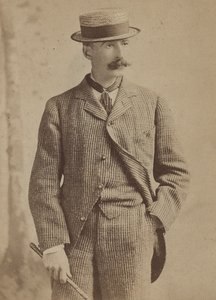
1836 - 1910 , Сједињене Америчке Државе
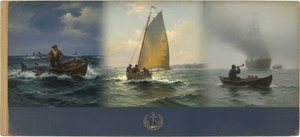
Uronite u svet Winslow Homera! Otkrijte 25 najlepših dela američkog realizma – od dramatičnih morskih prizora do intimnih pejzaža. Kupite reprodukcije slika vrhunskog kvaliteta i inspirirajte se za dekoraciju enterijera na Most-Famous-Paintings.com.
Explore 10 defining American Realism masterpieces – Hopper, Homer & more. Discover the stories behind these iconic paintings and bring timeless art to your home with Most-Famous-Paintings's museum-quality reproductions. Explore the full collection online.

Explore the world of Grant Wood & American Regionalism with Most-Famous-Paintings. Discover the symbolism behind 'American Gothic', recurring themes, and the movement's lasting impact on art history. High-quality reproductions available.

Explore the profound beauty of American Realism. From Winslow Homer’s rural landscapes to the dignity of everyday life, discover how master artists captured the soul of a nation through evocative oil paintings and timeless fine art techniques.

Explore the powerful social commentary & artistic representation of American Realism. Discover key artists like Bellows & Sloan, and understand the movement's lasting impact on 20th-century art history.


Budite u toku sa najnovijim vestima o umetnosti, ekskluzivnim ponudama i idejama za dekoraciju.
Recite nam o vašem projektu i naši stručnjaci za umetnost će vam pružiti 3 personalizovana predloga umetničkih dela.
Dozvolite nam da odaberemo 3 opcije specijalno za Vas - Besplatno!


 Pregledaj u prostoru
 Pošalji
 Podeli
 Detalji o delu

 Преузми
 Slični predmeti
 Rendgenski snimak
 Slajdovi
 Pročitaj više







 Opcija sa staklom dostupna je samo za dimenzije manje od 110 cm


