
Sälj din konst
Önskelista Varukorg Cart
FörhandsvisaFörhandsvisa Förhandsgranska i ARFörhandsgranska i AR Beställ tryck Beställ tryckBeställ handmålad reproduktion Beställ handmålad reproduktion SkickaSkicka
Visa detaljerVisa detaljer Lägg till i favoriter Lägg till i favoriter Ladda nerLadda ner Liknande objektLiknande objekt RöntgenRöntgen BildspelBildspel

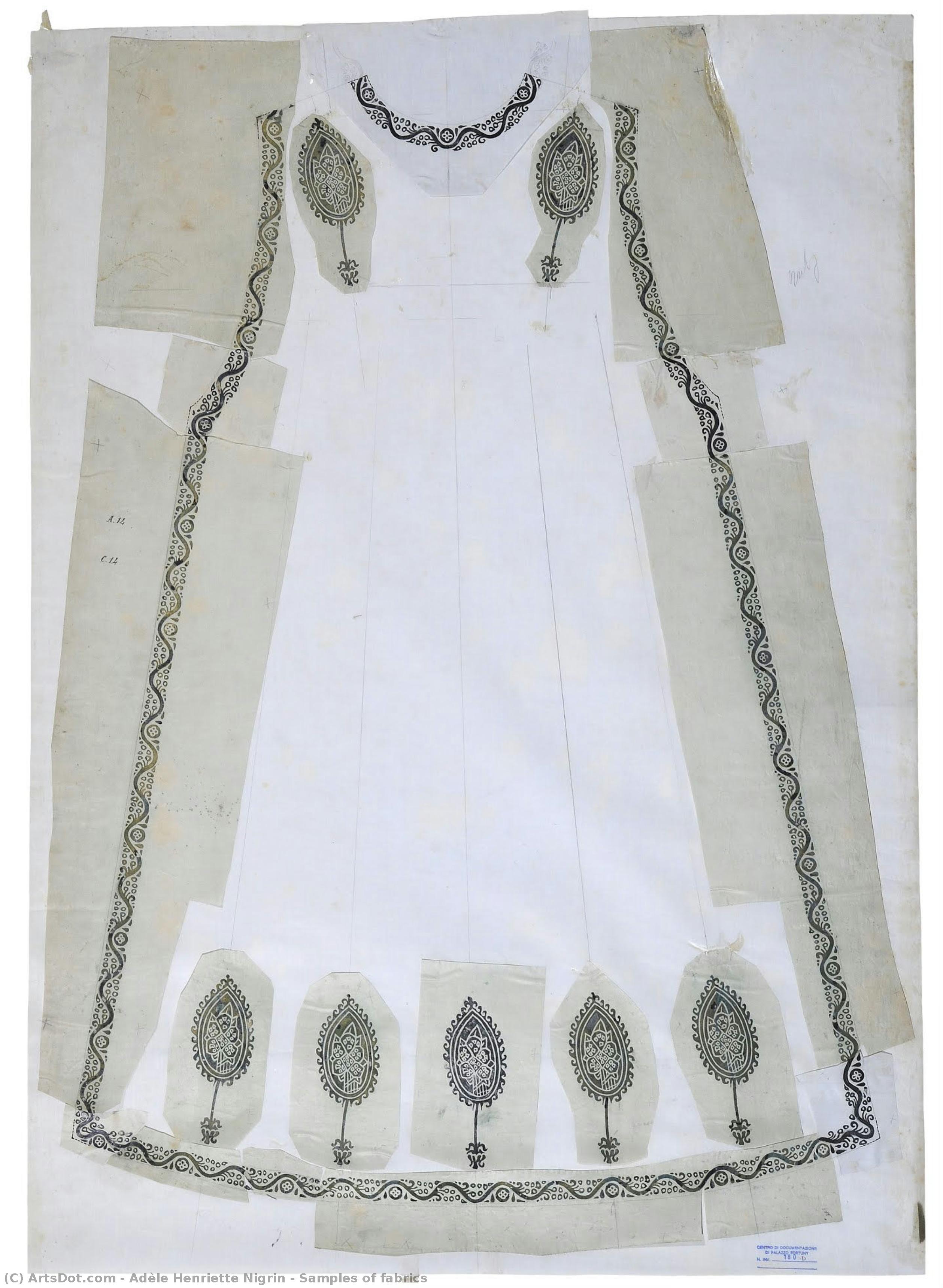
Samples of fabrics

Discover Henriette Fortuny (née Adele Henritte Nigrin), a pioneering French textile designer & artist! Known for innovative fabrics, Venetian-inspired designs, & a revolutionary pleating machine.

Köp en högupplöst, förbättrad digital bild med betydligt högre kvalitet än förhandsvisningen online.

Varje fil är noggrant förberedd av våra interna specialister med hjälp av avancerade verktyg och professionell manuell retuschering. Vi säkerställer att varje bild har exceptionell skärpa, exakt färgåtergivning och fina detaljer.

Den slutgiltiga filen levereras via e-post inom 72 timmar, optimerad för omedelbar användning i professionella sammanhang, redaktionellt bruk och tryckmiljöer. Detta är samma kvalitet som med förtroende används av ledande designstudior, förlag och gallerier.

Digital bild

Ladda ner en högupplöst fil för personlig visning, utskrift och kreativa projekt. (Beställ tryck Beställ tryckBeställ handmålad reproduktion Beställ handmålad reproduktion)

Totalpris

$ 24,90

Ingår i varje beställning av digital bild

Professionell digital leverans, garanterad

När du väljer Most-Famous-Paintings.com får du inte bara en bild – du får ett professionellt förädlat digitalt konstverk, skapat med precision och med en garanterad tillfredsställelse. Här är allt som ingår i din beställning, automatiskt:

shipping_icon
Snabb leverans via e-post

Din högupplösta digitala bild skickas till dig via e-post inom 72 timmar efter beställning – redo för omedelbar användning.

canvas_icon
AI-förbättrad digital bild

Ditt konstverk optimeras professionellt med hjälp av avancerade AI-verktyg och manuell redigering, vilket garanterar maximal detaljrikedom, skärpa och färgnoggrannhet.

insurance_icon
Gratis livstidsåterutskick

Har du råkat radera eller tappa bort din fil? Ingen oro – vi skickar den kostnadsfritt till dig när som helst.

tax_icon
Inga importavgifter – någonsin

Njut av ditt konstverk omedelbart utan tull, importavgifter eller leveranskostnader – digitala nedladdningar är alltid skattefria.

color_icon
Garanterad färgåtergivning

Vi säkerställer att din digitala bild återger de ursprungliga färgerna så exakt som möjligt med hjälp av professionella verktyg och färghantering.

return_icon
60 dagars nöjdhetsgaranti

Om du inte är nöjd med din digitala bild kommer vi att revidera den eller återbetala 100% inom 60 dagar – utan frågor.

guarantee_icon
100% pengarna-tillbaka-garanti

Inte nöjd? Få full återbetalning inom 60 dagar efter att du har tagit emot din digitala fil – utan frågor och diskussioner.

discount_icon
Rabatt vid storköp

Köp 3 bilder, spara 10% – Köp 5, spara 15% – Köp 10+, spara 20%. Perfekt för kreativa projekt, gallerier och byråer.


Konstnärsbiografi

A Life Woven in Silk: The Story of Henriette Fortuny

Adèle Henriette Elisabeth Nigrin, known to the world as Henriette Fortuny, was more than just a muse; she was a pioneering force in textile design and a creative partner whose contributions were long overshadowed by her husband, Mariano Fortuny. Born in Fontainebleau, France, in 1877, Henriette’s early life offered few clues to the extraordinary artistic journey that lay ahead. She came from a modest background—her father an administrator at the École d’Application de l’Artillerie et du Génie—and initially found herself navigating the conventional path of marriage. However, her destiny took a dramatic turn when she met Mariano Fortuny in Paris around 1902. This encounter wasn't merely a romantic connection; it was the spark that ignited a lifelong collaboration and transformed both their lives.

Venice as Workshop and Inspiration

The move to Venice in 1902 marked a pivotal moment. The couple established themselves at Palazzo Pesaro degli Orfei, which quickly became more than just a residence—it evolved into a vibrant workshop and laboratory of artistic experimentation. Mariano, already recognized for his innovative stage lighting designs, found in Henriette a kindred spirit with an acute eye for color, texture, and form. While Mariano explored the technical aspects of printing and dyeing, Henriette immersed herself in researching pigments, meticulously applying them to wood stencils, and developing unique fabric treatments. The Palazzo itself became integral to their process; its atmosphere—a blend of Byzantine grandeur and bohemian creativity—fueled their imagination. It was a space where ancient techniques were revived and reimagined, and where the boundaries between art, fashion, and interior design began to blur. The city’s rich history, particularly its connection to the East and its tradition of luxurious textiles, profoundly influenced their aesthetic vision.

The Delphos Gown and the Revolution in Pleating

Henriette Fortuny's most significant achievement was arguably her role in developing the revolutionary pleating machine and, subsequently, the iconic Delphos gown. Though often credited solely to Mariano, historical evidence—including a handwritten note on the patent itself acknowledging Henriette Brassart as the inventor—reveals her central contribution. The machine, patented in 1909, allowed for the creation of complex, sculptural pleats that draped beautifully and resisted wrinkling. This innovation wasn’t simply about aesthetics; it was a technical breakthrough that enabled the production of garments with an unprecedented fluidity and elegance. The Delphos gown, inspired by classical Greek sculpture, became synonymous with Fortuny's name—a timeless design favored by artists, actresses, and socialites alike. It represented a departure from the restrictive fashions of the era, offering women a new freedom of movement and expression.

A Collaborative Spirit and Lasting Legacy

The partnership between Henriette and Mariano was one of mutual respect and shared vision. While Mariano often took the lead in presenting their work to the public, Henriette remained the driving force behind many of the fabrics’ color palettes and the intricate details that defined their designs. She also managed the workshop, cultivated relationships with an international clientele, and ensured the quality and consistency of their creations. After Mariano's death in 1949, Henriette dedicated herself to preserving his legacy, meticulously cataloging their collection and donating works to museums across Italy and Spain. In a final act of generosity, she bequeathed Palazzo Fortuny to the city of Venice in 1965, ensuring that their artistic haven would be open to future generations. Today, the Museo Fortuny stands as a testament to their collaborative spirit—a place where visitors can experience the beauty and innovation that Henriette Fortuny helped bring into being. Her story serves as a powerful reminder of the often-unacknowledged contributions of women in the arts and the enduring power of creative partnership.

Beyond the Gown: A Broader Influence

Henriette Fortuny’s impact extends beyond the Delphos gown. She was instrumental in developing a wide range of fabrics—from printed silks to luxurious velvets—that were used not only for clothing but also for interior decoration. Their designs, often inspired by ancient motifs and Eastern patterns, brought a sense of exoticism and sophistication to homes around the world.
  • Textile Innovation: Her research into natural dyes and printing techniques pushed the boundaries of textile art.
  • Venetian Aesthetic: She helped establish a distinctive Venetian aesthetic that blended historical influences with modern sensibilities.
  • Artistic Collaboration: Her partnership with Mariano Fortuny demonstrated the power of creative collaboration and mutual inspiration.
  • Preservation of Legacy: Her dedication to preserving her husband’s work ensured its lasting impact on art, fashion, and design.
Henriette Fortuny's legacy is one of quiet determination, artistic vision, and a profound understanding of the interplay between color, texture, and form. She was not merely a muse but a true innovator whose contributions deserve to be celebrated alongside those of her more famous husband. Her story continues to inspire artists and designers today, reminding us that beauty is often born from collaboration, experimentation, and a deep respect for the past.
adèle henriette nigrin

adèle henriette nigrin

1877 - 1965 , France

Snabbfakta

  • Artistic Movement Or Style: Art Nouveau textiles
  • Date Of Birth: 1877
  • Date Of Death: 1965
  • Full Name: Adèle Henriette Nigrin
  • Nationality: French
  • Notable Artworks:
    • Delphos gown
    • Knossos shawls
  • Place Of Birth: Fontainebleau, France


