


x

 Contemporary Realism
 1991Contemporary
 41.0 x 51.0 cm
 Lithuanian Art Centre TARTLE
Handmålad olja på duk i din valda storlek och ram, tillverkad efter beställning av våra konstnärer. ( Beställ tryck Köp högupplöst bild)





























Välj bland våra förinställda storlekar som motsvarar konstverkets ursprungliga proportioner.

Du kan ange egna mått för att passa en specifik ram eller yta. Om den valda storleken inte matchar originalbildens proportioner kommer vi antingen att beskära konstverket eller utöka målningen med ytterligare handmålade element. En digital skiss skickas till dig för godkännande innan produktionen påbörjas.
Observera att förhandsvisningen på skärmen inte återspeglar den faktiska beskärningen eller utökningen. Endast skissen visar den slutgiltiga kompositionen korrekt.
Även om anpassade storlekar är möjliga, rekommenderar vi att du väljer en dimension från den fördefinierade listan för att bevara originalproportionerna.
Leverans över hela världen () på 3–4 veckor istället för standard 5 veckor. (15 augusti). Inga kompromisser med kvaliteten.


Two Quinces
Storlek på reproduktion
In the vast landscape of late twentieth-century Lithuanian art, few works capture the profound beauty of the mundane as intimately as Algimantas Švėgžda’s Two Quinces. Created in 1991, a period of immense transition and reflection, this still life serves as a masterclass in minimalist observation. At first glance, the composition appears deceptively simple: two ripe fruits resting against an ethereal, neutral backdrop. Yet, beneath this surface lies a sophisticated dialogue between light, form, and color. Švėgžda invites the viewer into a meditative space where the distractions of the modern world fall away, leaving only the tactile presence of nature’s bounty.
The technique employed in this piece reflects the artist's unique ability to blend elements of Pop Art clarity with a delicate, almost pointillist sensitivity. The vibrant, warm hues of the quinces—ranging from deep golds to soft ochres—create a striking visual tension against the stark, clean white background. This deliberate use of negative space is not merely an absence of subject, but a structural element that pushes the fruit forward, making the textures feel almost palpable. One can almost sense the weight and the slightly textured skin of the fruit, a testament to Švėgžda’s mastery over light and shadow.
Beyond its aesthetic appeal, Two Quinces carries a deeper emotional resonance rooted in the artist's biography. Growing up in Kelmė, shaped by a father who understood the theatricality of scenery and a mother who valued the precision of teaching, Švėgžda developed an eye for the essential. The quince, often a symbol of fertility, longevity, and the sweetness of life, acts here as a vessel for memory and permanence. In a world characterized by rapid socio-political change, this painting offers a sanctuary of stillness. The placement of the two fruits—one slightly elevated above the other—creates a subtle rhythmic movement that guides the eye in a gentle loop, mirroring the cyclical nature of life and the seasons.
For the discerning collector or interior designer, this artwork represents more than just a decorative element; it is an anchor of tranquility. The painting’s ability to harmonize with diverse environments makes it a versatile choice for modern, minimalist, or classical interiors alike. Whether placed in a sun-drenched breakfast nook or a sophisticated gallery-style living room, the piece brings a sense of organic warmth and intellectual depth. It serves as a reminder that true elegance is often found in the most understated moments, making this reproduction an exquisite investment for those who seek to surround themselves with art that speaks of quiet strength and timeless beauty.


1941 - 1996 , Lithuania

Utforska 10 ikoniska vita målningar av Monet, Whistler & fler! Lär känna historien bakom dessa ljusa konstverk och upptäck hur vitt används för att skapa stämning. Köp museumkvalitativa tryck på Most-Famous-Paintings.com.

Explore the rich history of still life painting & the symbolism of fruit across art movements. Discover masterpieces from Caravaggio to Cézanne with Most-Famous-Paintings – expert guidance & museum-quality reproductions.
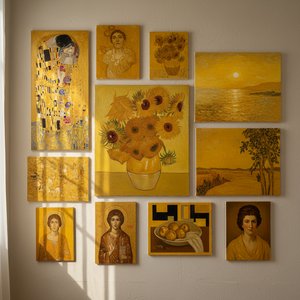
Utforska 10 berömda målningar dominerade av ockragula toner! Från Van Gogh till Monet – upptäck historien, tekniken och skönheten i dessa tidlösa konstverk. Köp museumkvalitativa reproduktioner & inredningsidéer på Most-Famous-Paintings.com.
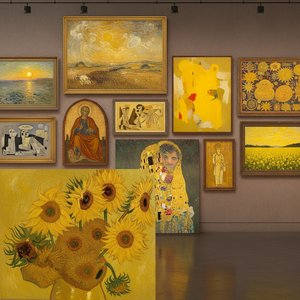
Utforska 10 ikoniska målningar dominerade av 'kromgul' – från Van Goghs solrosor till Monets ljusspel. Lär känna konsthistorien och hitta inspiration för ditt hem med Most-Famous-Paintings.coms exklusiva reproduktioner. Upptäck mästerverken online!
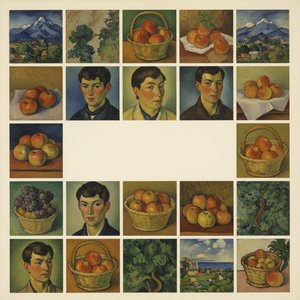
Utforska Paul Cézannes 25 mest ikoniska målningar! Fördjupa dig i impressionismens värld, från Mont Sainte-Victoire till stillsben. Hitta inspiration & museumkvalitativa konsttryck på Most-Famous-Paintings.com.


Håll dig uppdaterad med de senaste konstnyheterna, exklusiva erbjudanden och inredningsidéer.
Berätta om ditt projekt så kommer våra konstexperter att ge dig 3 personliga konstförslag.
Vi skapar ett urval av 3 alternativ helt anpassat för dig – gratis!


 Förhandsvisa
 Skicka
 Dela
Dela
 Visa detaljer

 Ladda ner
 Liknande objekt
 Röntgen
 Bildspel
 Visa mer







 Glasalternativet är endast tillgängligt i storlekar under 110 cm.


