x

 Oil On CanvasWallArtFrench Academic Art
 183119th Century
 44.0 x 49.0 cm
 Metropolitan Museum of Art
Köp en högupplöst, förbättrad digital bild med betydligt högre kvalitet än förhandsvisningen online.
Varje fil är noggrant förberedd av våra interna specialister med hjälp av avancerade verktyg och professionell manuell retuschering. Vi säkerställer att varje bild har exceptionell skärpa, exakt färgåtergivning och fina detaljer.
Den slutgiltiga filen levereras via e-post inom 72 timmar, optimerad för omedelbar användning i professionella sammanhang, redaktionellt bruk och tryckmiljöer. Detta är samma kvalitet som med förtroende används av ledande designstudior, förlag och gallerier.
Ladda ner en högupplöst fil för personlig visning, utskrift och kreativa projekt. ( Beställ tryck Beställ handmålad reproduktion)
När du väljer Most-Famous-Paintings.com får du inte bara en bild – du får ett professionellt förädlat digitalt konstverk, skapat med precision och med en garanterad tillfredsställelse. Här är allt som ingår i din beställning, automatiskt:

Din högupplösta digitala bild skickas till dig via e-post inom 72 timmar efter beställning – redo för omedelbar användning.

Ditt konstverk optimeras professionellt med hjälp av avancerade AI-verktyg och manuell redigering, vilket garanterar maximal detaljrikedom, skärpa och färgnoggrannhet.

Har du råkat radera eller tappa bort din fil? Ingen oro – vi skickar den kostnadsfritt till dig när som helst.

Njut av ditt konstverk omedelbart utan tull, importavgifter eller leveranskostnader – digitala nedladdningar är alltid skattefria.

Vi säkerställer att din digitala bild återger de ursprungliga färgerna så exakt som möjligt med hjälp av professionella verktyg och färghantering.

Om du inte är nöjd med din digitala bild kommer vi att revidera den eller återbetala 100% inom 60 dagar – utan frågor.

Inte nöjd? Få full återbetalning inom 60 dagar efter att du har tagit emot din digitala fil – utan frågor och diskussioner.

Köp 3 bilder, spara 10% – Köp 5, spara 15% – Köp 10+, spara 20%. Perfekt för kreativa projekt, gallerier och byråer.
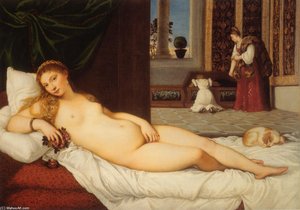
Asher Brown Durand's “Ariadne,” completed in 1831, is more than just a painting; it’s a poignant meditation on isolation and beauty rendered with the meticulous skill honed during his years as America’s foremost engraver. Measuring 44 x 49 cm, this oil-on-canvas work, currently residing within The Metropolitan Museum of Art in New York, offers a captivating glimpse into the artistic currents of its time – specifically, the delicate interplay between Neoclassicism and Romanticism that defined the early 19th century.
Durand’s artistic approach is profoundly shaped by his background as an engraver, a skill that instilled in him an unparalleled attention to detail and a deep understanding of tonal gradation. This technical mastery is evident in the painting's remarkably smooth surfaces and precise rendering of form. However, “Ariadne” transcends mere technical proficiency; it’s infused with the burgeoning Romantic sensibility that was beginning to challenge the rigid ideals of Neoclassicism. While Vanderlyn’s work prioritized clarity and order, Durand introduces a deliberate softness into the drapery and an overall atmosphere of melancholy. This shift reflects the broader artistic movement's embrace of emotional expression and subjective experience – a move away from purely objective representation.
The painting’s creation occurred during a period of significant social and political change in America, following the Napoleonic Wars. The French Academic Art Movement, which Durand aligned with, sought to revive classical ideals while simultaneously acknowledging the power of human emotion. This fusion is powerfully realized in “Ariadne,” where the serene natural setting – trees and mountains – serves not as a backdrop for heroic action but as a contemplative space for the princess’s sorrow.
The composition itself speaks volumes. Ariadne lies prone, her hands gently placed behind her head, suggesting both vulnerability and a quiet acceptance of her fate. The muted color palette – dominated by blues, grays, and browns – reinforces the mood of desolation and isolation. Even the inclusion of a bird adds to the painting’s symbolic weight; birds are often associated with freedom and hope, yet here they seem equally trapped within the scene, mirroring Ariadne's predicament.
Comparing “Ariadne” to Pompeo Batoni’s *Diana and Cupid* reveals striking similarities in subject matter and setting – both depict mythological figures in idyllic natural landscapes. However, where Batoni’s work exudes a sense of joyous celebration, Durand’s rendition is imbued with a profound sadness, highlighting the artist's deliberate adaptation of Neoclassical principles to suit American tastes and his own Romantic sensibilities.
"Ariadne" stands as a testament to Asher Brown Durand’s artistic vision and technical skill. It represents a pivotal moment in American art history, bridging the gap between classical tradition and burgeoning Romanticism. Its enduring appeal lies not only in its exquisite detail but also in its ability to evoke a powerful emotional response – a reminder of human vulnerability and the poignant beauty found even in moments of profound solitude.


1796 - 1886 , USA


Håll dig uppdaterad med de senaste konstnyheterna, exklusiva erbjudanden och inredningsidéer.
Berätta om ditt projekt så kommer våra konstexperter att ge dig 3 personliga konstförslag.
Vi skapar ett urval av 3 alternativ helt anpassat för dig – gratis!


 Förhandsvisa
 Skicka
 Dela
Dela
 Visa detaljer

 Ladda ner
 Liknande objekt
 Röntgen
 Bildspel
 Visa mer