


x

Giclée- eller canvasprint av museumskvalitet med snabb produktion och flexibla ytbehandlingsalternativ. ( Beställ handmålad reproduktion Köp högupplöst bild)





























Välj bland våra förinställda storlekar som motsvarar konstverkets ursprungliga proportioner.

Du kan ange egna mått för att passa en specifik ram eller yta. Om det valda måttet inte överensstämmer med originalbildens proportioner kommer vi antingen att beskära konstverket eller utöka bilden med en speglad eller enfärgad kant. En digital mockup skickas för ditt godkännande innan produktionen påbörjas.
Vänligen notera att förhandsvisningen på skärmen inte återspeglar den faktiska beskärningen eller utökningen. Endast mockuppen visar den slutgiltiga kompositionen korrekt.
Även om anpassade storlekar är möjliga, rekommenderar vi att du väljer ett mått från den fördefinierade listan för att bevara de ursprungliga proportionerna.
Leverans över hela världen () på 2 veckor istället för standard 4/5 veckor. (23 augusti)


At the Garden Table
Storlek på reproduktion
August Macke's At the Garden Table is a captivating oil on canvas painting created in 1914, offering a vibrant and intimate portrayal of everyday life through the lens of Fauvism. This artwork exemplifies Macke’s unique ability to distill complex scenes into elegant compositions characterized by bold colors and energetic brushstrokes. The piece, now residing within the esteemed collection of the Baltimore Museum of Art, invites viewers to step into a tranquil garden setting where two figures engage in quiet contemplation.
August Robert Ludwig Macke (1887-1914) was a pivotal figure in the German Expressionist movement. Born in Meschede, Germany, his artistic journey began at the Kunstakademie Düsseldorf. Initially influenced by Impressionism and Post-Impressionism, Macke's style underwent a significant transformation following his exposure to French Fauvism. A crucial turning point arrived with his encounter with Robert Delaunay in Paris (1912), which introduced him to Chromatic Cubism or Orphism – a style he incorporated into works like Shops Windows, blending it with the dynamism of Italian Futurism. As a member of Der Blaue Reiter (The Blue Rider) group, Macke sought to express inner emotions and spiritual experiences through color and form, departing from traditional representational art.
At the Garden Table showcases several defining characteristics of Macke’s artistic approach. The painting depicts two individuals seated at a table within a lush garden environment, surrounded by vibrant greenery and colorful flowers. Macke's masterful use of bold, saturated colors—ranging from striking greens and yellows to deep blues and reds—creates an immediate sense of energy and visual excitement. Geometric shapes are strategically employed to structure the composition, fostering a feeling of harmony and balance despite the seemingly spontaneous brushwork. The flattened perspective contributes to the painting’s immediacy, drawing the viewer into the scene. Macke's skillful manipulation of light and shadow adds depth and dimension, enhancing the overall sense of warmth and intimacy.
Created in 1914, just before the outbreak of World War I, At the Garden Table reflects a yearning for tranquility and beauty amidst growing societal unrest. The painting’s subject matter—a simple scene of everyday life—can be interpreted as a celebration of ordinary moments and human connection. While seemingly straightforward, the artwork also carries symbolic weight. The garden setting itself can represent paradise or an idyllic escape from the harsh realities of the world. Macke's vibrant color palette may symbolize joy, vitality, and optimism, offering a counterpoint to the impending darkness of war. The painting’s style is distinctly Expressionistic, characterized by distorted forms, heightened colors, and an emphasis on conveying inner emotions.
At the Garden Table stands as a testament to August Macke's artistic genius and his contribution to the development of modern art. His unique style continues to inspire artists today, demonstrating the enduring power of color, composition, and emotional expression. The painting’s ability to evoke a sense of warmth, intimacy, and quiet contemplation makes it a truly captivating piece—a timeless reflection on the beauty of everyday life.


1887 - 1914 , Tyskland

Utforska Renoirs 25 mest älskade konstverk! Fördjupa dig i impressionismens värld, från balettscener till romantiska porträtt. Hitta inspiration & museumkvalitativa reproduktioner på Most-Famous-Paintings.com.

Explore the vibrant Expressionist paintings of August Macke (1887-1914). Discover his key role in Der Blaue Reiter, Fauvist influences, and captivating depictions of modern life. A comprehensive guide for art enthusiasts & collectors.

Explore the rich history of gardens in painting! Discover masterpieces from Renaissance to Impressionism & beyond. Learn about symbolism, artists like Monet & Klimt, and find your perfect artwork at Most-Famous-Paintings.
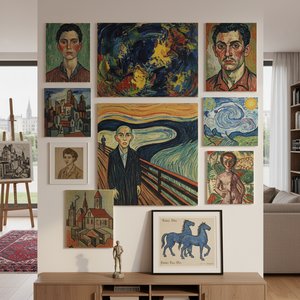
Utforska expressionismens 10 mest ikoniska mästerverk! Lär känna Munch, Kirchner & Kandinsky. Upptäck historien bakom dessa färgstarka och emotionella konsttryck. Museumkvalitet på Most-Famous-Paintings.com – hitta din perfekta tavla online!
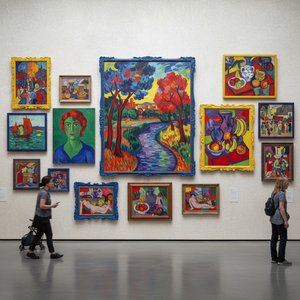
Utforska fauvismens 10 mest ikoniska mästerverk! Lär känna Matisse, Derain och andra pionjärer. Starka färger & djärva penseldrag definierade epoken. Hitta konsttryck av högsta kvalitet på Most-Famous-Paintings.com – för din heminredning.


Håll dig uppdaterad med de senaste konstnyheterna, exklusiva erbjudanden och inredningsidéer.
Berätta om ditt projekt så kommer våra konstexperter att ge dig 3 personliga konstförslag.
Vi skapar ett urval av 3 alternativ helt anpassat för dig – gratis!


 Förhandsvisa
 Skicka
 Dela
Dela
 Visa detaljer

 Ladda ner
 Liknande objekt
 Röntgen
 Bildspel

 Visa mer







 Glasalternativet är endast tillgängligt i storlekar under 110 cm.


